


Writer:zhsailing.com
In recent years, certain sectors in China, especially steel, cement, photovoltaics, and traditional manufacturing, have faced overcapacity issues. Excess capacity not only leads to resource waste but also increases inventory pressure and financial costs for enterprises. Technological innovation has become a key approach to address this problem, and under the context of China–Australia technology exchange, relevant solutions are particularly noteworthy.
1. Data-Driven Market Forecasting and Smart Scheduling
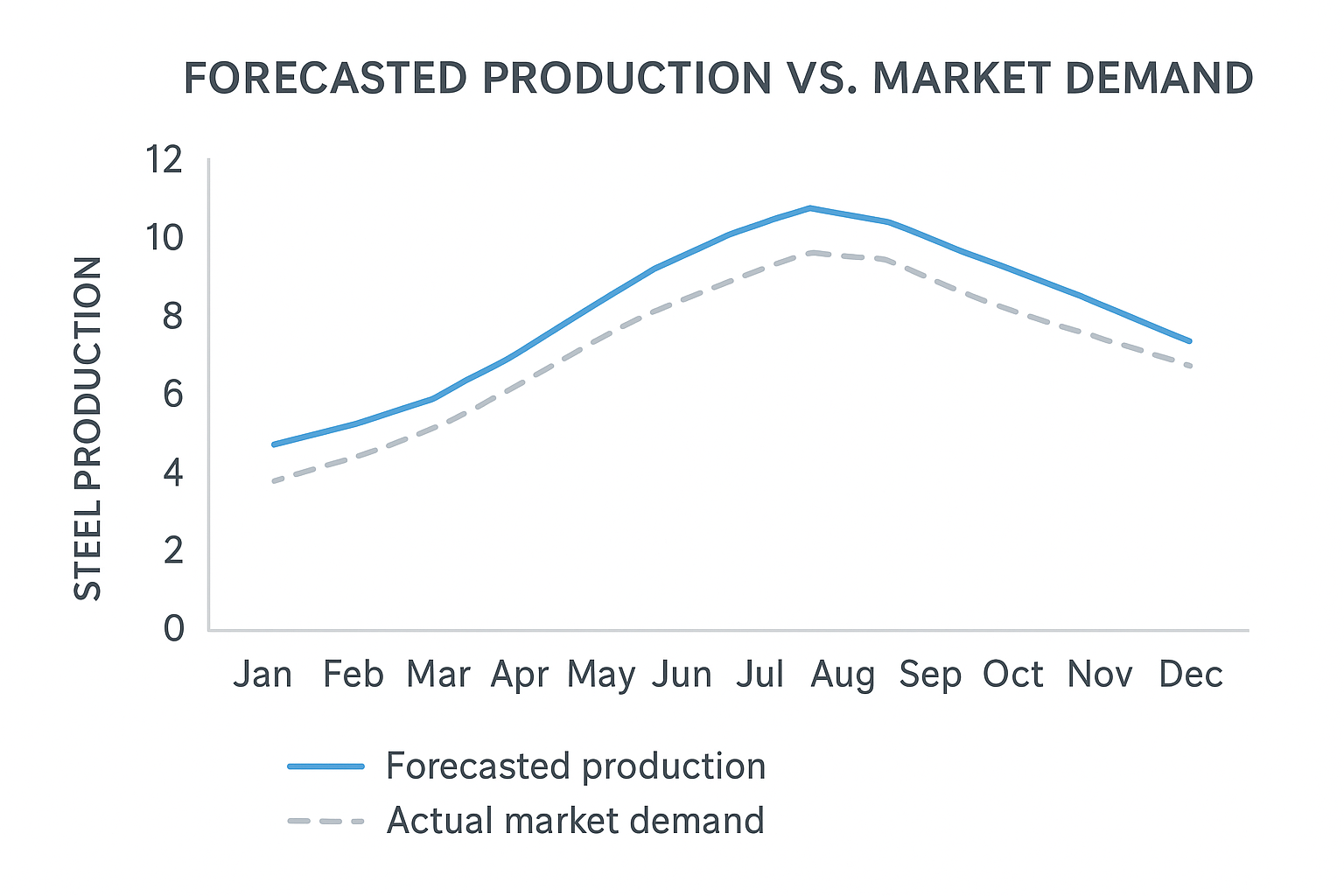
Leveraging big data and AI for accurate market demand forecasting can significantly reduce the risk of overproduction.
Example Data:
-
According to the National Bureau of Statistics, China’s steel production in 2024 is approximately 1 billion tons, while actual market demand is about 920 million tons, resulting in roughly 8% overcapacity.
-
AI models can forecast demand for the next six months, allowing enterprises to adjust production schedules and reduce inventory.
2. Automation and Smart Manufacturing for Flexible Capacity
-
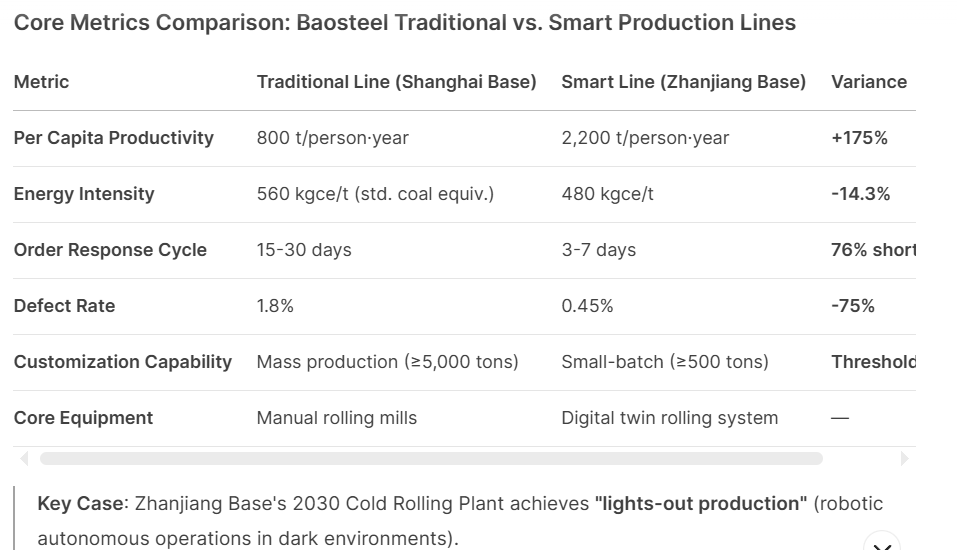
Industrial robots and smart factories enable production lines to quickly adjust output and product types, preventing surplus of single products.
-
In China–Australia collaboration projects, Australian advanced manufacturing technologies (e.g., flexible production lines, IoT sensors) have been introduced to some Chinese enterprises, improving production efficiency by 20–30%.
3. New Materials and Green Technologies to Open New Markets
-
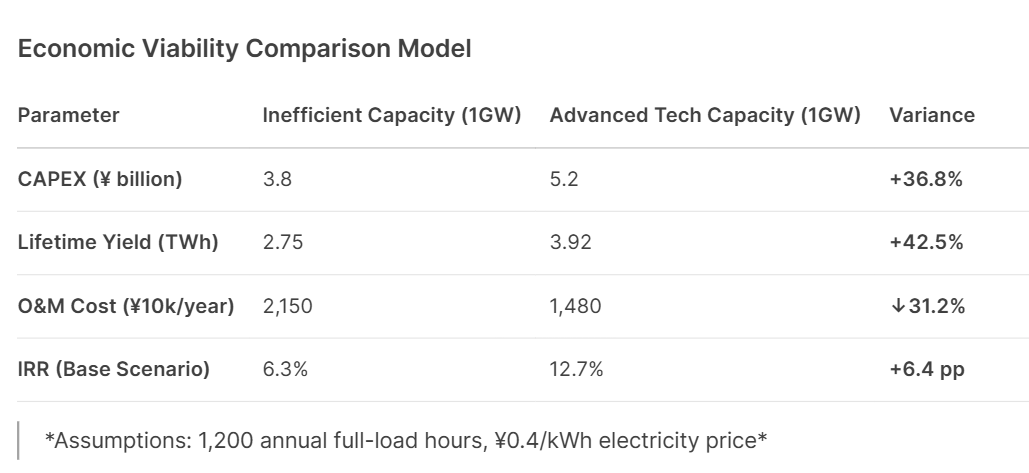
Renewable energy, energy storage, and hydrogen technologies allow the development of new products, reducing reliance on traditional capacities.
-
For example, photovoltaic companies developing high-efficiency solar modules can replace low-efficiency capacity and explore the Australian clean energy market.
-
Through China–Australia cooperation, Australian energy research institutions provide technical consulting and project support, helping Chinese enterprises enter international markets.
4. Digitalized Supply Chains and Cross-Border Collaboration
-
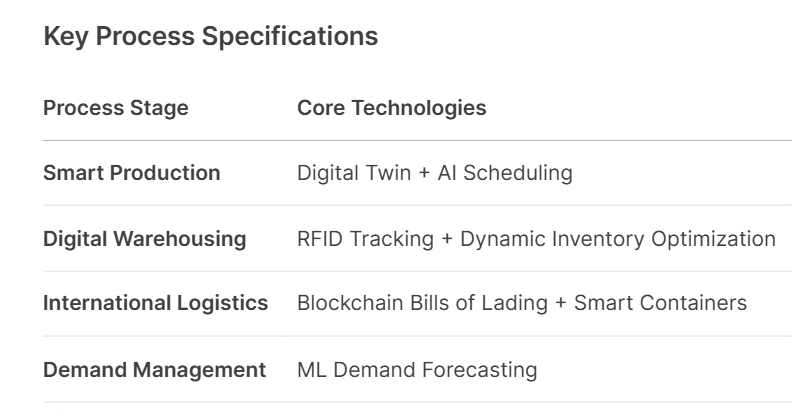
Using blockchain + IoT to make supply chains transparent can prevent duplicate production and logistical bottlenecks.
-
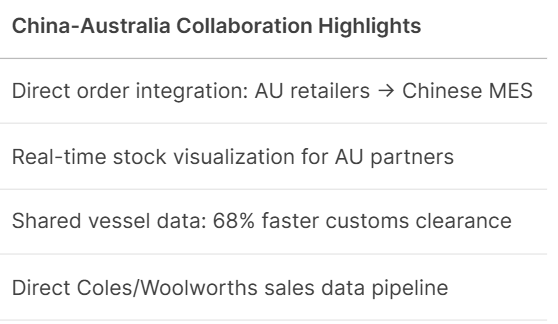
China–Australia technology platforms can help Chinese enterprises align capacity with Australian market demand in real time, improving production-sales matching.
Conclusion
Technological innovation provides effective pathways to address China’s overcapacity problem:
-
Data-driven market forecasting reduces blind production
-
Automation and smart manufacturing enhance flexibility
-
New materials and green technologies open new markets
-
Digitalized supply chains improve production-sales alignment
Through China–Australia technology exchange and collaboration, Chinese enterprises can more efficiently absorb excess capacity while promoting green industrial development, achieving both economic and environmental benefits.