


by Xinhua writer Yuan Quan BEIJING, July 30 (Xinhua) — Just like many other fields, intellectual property (IP) development in China is currently undergoing a transition, seeing a greater focus on quality rather than a simple scale expansion. The latest efforts from China’s top IP regulator were presented at a press conference on Monday, highlighting how this significant shift contributes to economic growth and international engagement. INNOVATIVE GROWTH Shen Changyu, head of the China National Intellectual Property Administration (CNIPA), noted the progress China has made in generating high-value IP, a key indicator of a country’s innovation performance. With a population of 1.4 billion, China’s ownership of high-value invention patents had climbed to 12.9 patents per 10,000 people by June this year, surpassing the national target set for the end of 2025. Certain high-value patents produced by universities and research institutions have already been utilized in advanced, smart and green industries. And the contributions that patent-intensive sectors have made to China’s GDP have risen to 12.7 percent, Shen said, citing the latest data and stressing the role of IP in driving innovative growth. To support the development of emerging industries, China has continuously improved its patent examination efficiency for big data, artificial intelligence (AI) and gene technologies. And the impact is particularly evident in the field of AI. According to the CNIPA, there were 378,000 effective AI invention patents in China by the end of 2023, representing a year-on-year growth rate of over 40 percent, which is 1.4 times higher than the global average. China has also taken the global lead in number of generative AI patent applications, the World Intellectual Property Organization reported earlier this month. The surge in invention patents from industries such as AI has demonstrated strong innovation in the digital economy, which has been a crucial engine driving China’s economic growth, senior CNIPA official Ge Shu said at the press conference. INTERNATIONAL ENGAGEMENT The term “international engagement” was heard frequently on Monday. Officials repeatedly emphasized the importance of emerging industries’ participation in international IP governance, the implementation of strict punitive measures according to the highest global standards for IP protection, and enhanced IP cooperation with the rest of the world. Shen said that China has signed agreements and established bilateral IP cooperation deals with 57 Belt and Road Initiative partner countries. Over the past decade, it has provided training to more than 1,200 IP officials and practitioners from those countries. And China’s patent authorizations in the 57 countries have been growing at an average annual rate of 20 percent, with invention patents related to digital and green technologies experiencing even faster growth. And, without a doubt, China’s IP has also gained international recognition. The number of foreigners applying for patent protection in China has been increasing. In the first half of this year, foreign applicants filed 78,000 invention patent applications in China, with that figure seeing year-on-year growth of 13.1 percent. Japan accounted for the highest number of applications, followed by the United States and the Republic of Korea. Committed to creating a fair business environment and ensuring strong IP protection for foreign enterprises, China has intensified its efforts to enhance legislation, implement efficient dispute resolution mechanisms, and establish regular communication channels to support foreign enterprises. “Over the past year, we resolved several IP disputes involving companies from the United States, Germany, France, Italy, Thailand and Denmark. Our efforts have received high praise from foreign companies,” said Hu Wenhui, deputy commissioner of the CNIPA. China will enhance international IP cooperation further and align high-standard international economic and trade rules proactively, enabling foreign companies to benefit from the country’s development in an improved manner, Hu added.
New Industries, Business Formats, Models Contribute More To Chinese Economy In 2023

BEIJING, July 30 (Xinhua) — The added value of new industries, new business formats and new business models, dubbed the “three new” economy, contributed more to China’s economic growth last year, official data shows Tuesday. These new growth drivers accounted for 17.73 percent of the country’s gross domestic product (GDP) last year, up 0.37 percentage points from the previous year, the National Bureau of Statistics (NBS) said. Calculated at current prices, the added value of the new growth drivers was around 22.35 trillion yuan (about 3.13 trillion U.S. dollars) last year, growing by 6.4 percent from the previous year, according to the NBS. A new industry involves the application of new scientific and technological achievements and new technologies to form a certain scale of new economic activities. A new business format involves new links, new chains and new activity forms derived from existing industries and fields, with technological innovation and application as key drivers. A new business model involves the integration and reorganization of various elements of enterprise operation to achieve the goal of customer value and sustainable profit, forming an efficient and competitive business operation mode. The added value of the “three new” economy measures the added value created by all permanent resident units of a country (or region) engaged in “three new” economic production activities within a certain period of time, according to the NBS.
China Focus: Chinese Scientists Reveal Carbon Sink On Qinghai-Xizang Plateau

LHASA, July 30 (Xinhua) — Despite the global warming and wetting climate, the Qinghai-Xizang Plateau plays an important role as a carbon sink, according to recent studies conducted by the Institute of Mountain Hazards and Environment (IMHE) of the Chinese Academy of Sciences. The improvement of the carbon sink function of the terrestrial ecosystem in southwest China’s Xizang Autonomous Region is an important manifestation of the effectiveness of the ecological security barrier construction and changing climate in the region, said Wei Da, a researcher with the IMHE. Quantifying the dynamics of carbon sink under climate change and ecological restoration on the Qinghai-Xizang Plateau is one of the priority scientific concerns that urgently need to be addressed, scientists say. The first demonstration base for carbon sink monitoring of artificial forests in Xizang was established in the city of Shannan this year. The IMHE also led the construction of the Qinghai-Xizang Plateau terrestrial ecosystem carbon flux observation network, which includes stations in Xainza, Shannan, Yadong, Hoh Xil, Gerze, Zhongba, Madoi, Shuanghu and Serling Co, covering typical alpine ecosystems such as forests, shrubs, meadows, grasslands, wetlands and lakes. The network synchronously measures carbon flux, water and heat flux, photosynthetically active radiation, air temperature and humidity, soil temperature and humidity and precipitation. Based on this monitoring network and cooperation with other research organizations, the research team from the IMHE has found that the Qinghai-Xizang Plateau remains an important carbon sink with potential in a warmer and wetter climate. “We conducted continuous observation at 32 sites and identified the alpine ecosystem as an important carbon sink. Our new discovery shows that as the climate turns warmer and wetter, the alpine plants absorb carbon faster than permafrost releases carbon,” said Wang Xiaodan, a researcher with the IMHE. The Qinghai-Xizang Plateau is the world’s largest high-altitude permafrost region, but climate warming may lead to the release of large amounts of permafrost carbon, thereby altering the regional carbon source and sink balance. Scientists have constructed a monitoring data base spanning the plateau and conducted systematic research on this issue. “We found that 26 sites exhibit significant carbon sink status, with the volume of carbon sink much higher than previously expected. The strongest net carbon sink of the Qinghai-Xizang Plateau occurs at an altitude of about 4,000 meters,” said Wei. “This study has preliminarily drawn a panoramic view of the carbon balance process on the Qinghai-Xizang Plateau. We found that the sustained warming and wetting climate on the plateau will be conducive to plant growth and further enhance the carbon sink,” Wei said. In another study, scientists focus on soil respiration, which is the primary carbon emission process in terrestrial ecosystems, accounting for 60 percent to 90 percent of the total ecosystem respiration and being a key factor in determining the size of the terrestrial carbon sink. However, there is currently a lack of sufficient data support and scientific understanding regarding the impact of climate change and ecological engineering on deep soil carbon dynamics. Researchers have established a comprehensive soil carbon process observation system to achieve long-term continuous acquisition of high-resolution data on soil carbon dioxide concentration, water content, temperature and salinity at various depths, which is a crucial approach to uncovering the underground carbon processes in ecosystems, according to Zhang Jianxin, a researcher with the IMHE. The establishment of the Qinghai-Xizang Plateau carbon flux monitoring network provides an observation and research platform for the plateau, serving as a long-term infrastructure for the dynamic assessment of carbon sink on the plateau, Wei said. “We plan to increase the number of observation sites in unpopulated regions, eventually forming a comprehensive carbon flux observation network that covers major types of terrestrial ecosystems on the plateau,” Wei added.
Chinese Electric Cars Secure Thousands Of Orders At Indonesia’s Exhibition
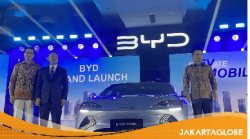
JAKARTA, July 30 (Xinhua) — Chinese automaker Wuling Motors secured 2,302 vehicle orders during the GAIKINDO International Auto Show 2024, held in BSD City, Indonesia, from July 18 to 28. “This is tangible proof of consumer confidence in the quality and innovation we have brought as we enter our seventh year in Indonesia,” said Wuling Motors Senior Marketing Strategy Manager Ricky Christian on Monday. The BinguoEV was the bestseller, accounting for 30 percent of the total orders, followed by the Air EV (26 percent) and the Cloud EV (23 percent). Wuling displayed a total of 15 car models and recorded 1,610 test drive participants during the event. Currently, the automaker has over 150 dealerships across Indonesia. The Indonesian Automotive Industry Association reported that 11,940 electric vehicles were sold in the first half of this year, a significant increase compared to the 5,849 units sold in the same period in 2023.
Interview: China’s Commerce Minister Lays Out Priorities For Broadening Opening Up
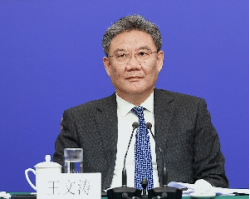
BEIJING, July 31 (Xinhua) — Minister of Commerce Wang Wentao has outlined a host of prioritized measures aimed at opening the Chinese market wider to the outside world. Wang made the remarks in an interview with Xinhua after the 20th Communist Party of China (CPC) Central Committee’s third plenary session, which was held earlier this month, stressing that opening up is a defining feature of Chinese modernization. “The plenum underlined the commitment to the basic state policy of opening to the outside world and the resolution adopted at the session uses a whole chapter to expound on plans to pursue high-standard opening up, which demonstrates China’s unwavering determination to open its doors wider,” he said. To implement the strategic plans made at the CPC plenum, China’s commerce authorities will move to promote the country’s alignment with high-standard international economic and trade rules, and harmonize rules, regulations, management and standards relating to property rights protection, industrial subsidies, environmental standards, labor protection, government procurement, e-commerce and the financial sector, Wang stated. China will unilaterally open its doors wider to the world’s least developed countries, actively participate in the reform of global economic governance, safeguard the WTO-centered multilateral trading system, and expand its globally oriented network of high-standard free-trade areas, he noted. Meanwhile, Wang pledged steps to increase new growth drivers for foreign trade, including trade in intermediate goods and green trade, fully apply the negative list for cross-border trade in services, and promote the development of integrated pilot zones for cross-border e-commerce. In the sphere of foreign investment, he said, “We will act to deliver the target of removing all market access restrictions in the manufacturing sector as soon as possible.” Chinese authorities will appropriately shorten the negative list for foreign investment and promote wider opening with regard to telecommunications, the internet, education, culture, medical services and other sectors in a well-conceived way, according to Wang. A report issued last week by the China Council for the Promotion of International Trade showed that in the second quarter of this year, more than 40 percent of surveyed foreign-funded enterprises said that the attractiveness of the Chinese market had increased in terms of future investment confidence. “We will foster a first-rate business environment that is market-oriented, law-based and internationalized, overhaul the roundtable meeting mechanism for foreign-funded firms, ensure national treatment for them in terms of access to factors of production, license application, standards setting and government procurement, and protect the rights and interests of foreign investors in accordance with the law,” Wang underscored. With Chinese companies expanding their global footprints, the official also voiced plans to refine the institutions and mechanisms for promoting and protecting Chinese investment abroad, improve the management and service systems for outward investment, and facilitate international cooperation in industrial and supply chains. In addition, China will upgrade its pilot free-trade zones and speed up the development of the Hainan Free Trade Port, he remarked. As for cooperation under the Belt and Road Initiative (BRI), China will redouble efforts to develop multilateral platforms for cooperation on green development, artificial intelligence, the digital economy, energy, taxation, finance and disaster mitigation, among other areas, he said. Wang said that China will work to conclude free-trade agreements and investment protection pacts with more countries under the BRI.
1st LD-Writethru: China Grants 144-Hour Visa-Free Entry To Foreigners Visiting Hainan In Tour Groups Via HK, Macao

BEIJING, July 31 (Xinhua) — People from countries with diplomatic relations with China can visit the southern island province of Hainan visa-free for 144 hours via tour groups registered in Hong Kong and Macao special administrative regions, said the National Immigration Administration (NIA) on Tuesday. Effective Tuesday itself, the policy applies to all state-established open ports in the province and the travel scope is limited to the administrative region of Hainan, the NIA added. Each tour group must consist of at least two people, and the entire group must enter and exit together, according to the policy. The NIA said it will continue to optimize and improve regional visa-free entry policies, further advance a more open immigration management system and warmly welcome foreign nationals to visit China.
Roundup: U.S. Businesses Keen To Seize Opportunities From U.S.-China Cooperation
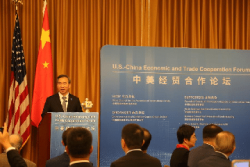
by Xinhua writer Liu Yanan NEW YORK, July 29 (Xinhua) — U.S. business people expressed their enthusiasm toward potential opportunities arising from strong commercial ties between the United States and China. A Chinese delegation led by the China Council for the Promotion of International Trade (CCPIT) is paying a week-long visit to the United States. The 50-person delegation will have extensive and in-depth exchanges with the U.S. Department of Commerce, the State of New York, the State of Maryland, the U.S. Chamber of Commerce, the U.S.-China Business Council, and other government departments and agencies, as well as with U.S. companies, according to Ren Hongbin, chairman of the CCPIT. “We look forward to achieving concrete outcomes and cultivating new growth drivers through such communication,” Ren told about 300 business people from various industries from both countries at the China-U.S. Economic and Trade Cooperation Forum on Monday. According to Ren, bilateral trade between the United States and China rose by 2.9 percent in the first half of 2024, and the number of U.S. companies announcing investment in China increased by over 20 percent. The amount of actual investment doubled in the period. “We are encouraged by the current administration’s efforts to resume bilateral dialogue and cooperation with China,” said Declan Daly, chief operating officer with United States Council for International Business. Daly said at the forum that it is time for the United States to re-engage with China on the issues of concern and the trade relationship to find negotiated solutions to long-standing disputes. “Toward that end, we would welcome establishing a regular bilateral dialogue,” added Daly. Daly said there is no doubt about the importance of this enormous economic relationship between the United States and China to his members, which collectively have an annual revenue of over 5 trillion U.S. dollars and 11.5 million employees. Peter Tichansky, president and CEO of the Business Council for International Understanding, said the United States and China align on issues like innovation, energy transition, artificial intelligence, chips and trade. “The reason that we’re here is because I wanna meet people that can introduce us into the Chinese infrastructure, Temu, TikTok and Shein,” said Jonathan Webb, co-founder and co-CEO of New York-based e-commerce player Packable, Inc. The U.S. market has a huge appetite for what is being manufactured in China, from selfie sticks to wax warming kits to magnetic puzzles, all the way to EV charging stations, said Webb on the forum’s sidelines. “All those goods are being manufactured in China and being brought to the United States, but everybody is nervous about the tariffs. So we have to figure out how to try to help mitigate those issues,” he told Xinhua. Webb mentioned that he plans to work with Chinese manufacturers and stated that such partnerships are necessary and will shape the future of his business. Webb sees opportunities in bonded warehouses, foreign trade zones and some U.S. visa programs. Ultimately, working with China creates jobs and economic stimulus in the United States, which is very important to the local municipalities inside the country, he said. Webb warned that a further hike in tariffs on China-made products would cause many U.S. innovators who manufacture in China to leave for other countries and create chaos. “China’s involvement in the supply chain globally is very, very important,” he said. Robert L. Garland Jr., CEO of Garland & Zhang, LLC, said he is working to promote international trade directly with Indian communities and cooperation between Chinese manufacturers and American retailers. “In the last several years, we’ve seen a lot of decline in supply chain items…So we want to try to reestablish ways to gain these at affordable prices,” Garland told Xinhua. Garland said the forum fostered a much better understanding of Chinese technology. Jesse Weiner, co-managing partner at YK Law LLP, expressed his delight at seeing business deals, investments and trade flourishing, in contrast to the slowdown during the pandemic. Weiner said many U.S. entities, entertainers and influences wanted to be in China and market their goods on the video-sharing platform Douyin, the e-commerce platform Tmall and Alibaba. “Now, there’s more positive cooperation and development among the two countries again. And I just can hope it continues in that trajectory,” Weiner said. (Xinhua video reporter Xie E also contributed to the article.)
Interview: China To Leverage Pioneering Role Of Economic Structural Reform To Deepen Comprehensive Reform
BEIJING, July 31 (Xinhua) — China will better leverage the pioneering role of economic structural reform to further deepen reform comprehensively, Zheng Shanjie, head of China’s top economic planner, said in an interview with Xinhua. In the resolution adopted at the third plenary session of the 20th Communist Party of China Central Committee, China proposed taking economic structural reform as the “spearhead” and leveraging its leading role in deploying reforms in all areas and aspects. Commenting on the spearhead role of economic structural reform, Zheng, head of the National Development and Reform Commission (NDRC), said that deepening economic structural reform is a “focal point” for further deepening reform comprehensively and reforms in all areas should be arranged around the point. By taking the lead in economic structural reform, “which is like grabbing the ‘ox’s nose,’ we can effectively promote the resolution of deep-seated contradictions in other areas,” he said, adding that it also underpins the country’s efforts to seize new opportunities and address new challenges during a critical period for China to advance national rejuvenation through Chinese modernization. Since the start of this year, the Chinese economy has sustained sound upward momentum and nurtured new growth drivers despite the complex external environment. The country’s gross domestic product grew 5 percent year on year in the first six months due to favorable policies and the development of new quality productive forces, the National Bureau of Statistics (NBS) said. However, rising difficulties and challenges, especially from unsmooth economic flow at home, hindered economic growth in the second quarter, the NBS noted. Addressing these difficult problems in economic operation requires greater policy efforts, including delivering solid macroeconomic policies, leveraging policy synergies, and enhancing the effectiveness of policy implementation. In the interview, Zheng said that the top economic planner will give full play to its functions of managing and coordinating overall economic activities and advancing economic structural reform in aspects of building a high-standard socialist market economy system, shaping new drivers and advantages for development, improving the institutional system of macroeconomic regulation, and developing a new system for a higher level of open economy. It will further facilitate the circulation of the national economy, improve rules and standards for integrated circulation, unblock bottlenecks, and accelerate the construction of a unified national market. In the meantime, the NDRC says fundamental institutions of the market economy will be improved, with strengthened protection of property rights and intellectual property rights. “Developing new quality productive forces is an intrinsic requirement and a key focus point for promoting high-quality development,” Zheng said, stressing the importance of tailored strategies suiting the specific conditions of different industries in fostering the new growth drivers, momentum and advantages of China’s economic development. According to Zheng, the country will implement technological upgrading and large-scale equipment renewal projects in the manufacturing industry to accelerate the transformation and upgrading of traditional industries. It will also cultivate “gazelle and unicorn enterprises” to promote the growth of emerging industries. Meanwhile, mechanisms promoting funding increases will be established for the incubation and nurturing of future industries, and new frontiers such as quantum technology and life sciences in the sectors will be pioneered. It is necessary to “fully leverage the strategic guidance role of national development planning to enhance the consistency of macro policy orientations,” Zheng told Xinhua. In the future, the NDRC will adhere to the principle of “promoting reform through opening up” in the building of a new system for a higher level of open economy, Zheng said, vowing to beef up efforts to align with international economic and trade rules and fully eliminate restrictions on foreign investment access in the manufacturing sector. It will also coordinate the progress of major landmark projects and “small but beautiful” livelihood initiatives to promote the steady and sustainable development of international cooperation under the Belt and Road Initiative, Zheng added.
Ethiopian Airlines To Strengthen Facility, Capacity In Collaboration With Chinese Construction Companies

ADDIS ABABA, July 30 (Xinhua) — Ethiopian Airlines, the flagship carrier of Ethiopia, is working to strengthen its facility and capacity to accommodate its expanding business operations through collaboration with Chinese construction companies. The project of constructing Ethiopian Airlines Group’s future headquarters is progressing steadily, with expectations for completion in August 2026, as disclosed by the Chinese project contractor, China Civil Engineering Construction Corporation (CCECC), on Monday. The project, which is expected to enhance the carrier’s operational capabilities and statue in the aviation industry, is located inside the premises of the Addis Ababa Bole International Airport in the Ethiopian capital. It includes six main buildings as the first phase, with a contract value of 67.8 million U.S. dollars. Wang Peng, the project’s executive manager from CCECC, said the construction began in December last year, with foundation works being carried out at the moment, adding that the project has so far generated over 500 jobs for Ethiopians. Wang stressed the Chinese contractor’s resolve for knowledge transfer and underscored the ongoing experience-sharing initiatives aimed at equipping the local workforce with the latest technologies and skills. He also said that the project is being carried out with a strong focus on the airline’s dedication to green development initiatives, aiming to follow environmentally-friendly construction principles throughout the whole process. Ethiopian Airlines Group, Africa’s largest and fastest-growing airline, is currently implementing a 15-year strategic plan, called Vision 2035. It is striving to become one of the most competitive and leading aviation groups in the world by providing safe, secure, market-driven and customer-focused passenger and cargo transport, aviation training, airport management, and ground services. As part of its expansion activities, the Ethiopian flag carrier actively partners with a number of Chinese companies. In May this year, the company inaugurated its 50-million-U.S. dollar domestic passenger terminal project at the Addis Ababa Bole International Airport. The terminal expansion and renovation work, carried out by China Communications Construction Company (CCCC), expands the facility two-fold to 25,270 square meters and equips the terminal with state-of-the-art passenger handling facilities, according to the airline. “The expansion of the airport’s international terminal is being carried out at the moment too, which will be finished within a month,” said Tian Zhenke, the airport project manager of CCCC, on Monday. “Three boarding gates will be added to the terminal and people’s traveling experience will be greatly improved once the expansion is completed.”
Xinhua Headlines: AI Tech Speeds Up China’s R&D Innovation

BEIJING, July 31 (Xinhua) — At a state-of-the-art lab, a researcher scribbles a chemical formula on the smart glass surface. Instantly, with a digital command, the robotic “scientist” empowered by artificial intelligence (AI) launches into executing a sequence of tasks including material retrieval, reagent addition, reaction initiation, monitoring and testing, all with the ease and precision of a culinary expert preparing a dish. This vivid scenario unfolds within the cutting-edge automated laboratory at XtalPi’s Shanghai headquarters. Here, AI is revolutionizing the field of new drug discovery, infusing the process with unprecedented efficiency and innovation. China is on the cusp of an industrial revolution powered increasingly by basic research, where AI technology is rapidly emerging as a key catalyst for the advancement of frontier sciences. In recent years, the prowess of machine learning and the emergence of generative AI technologies in tackling complex mathematical challenges have combined to usher in a transformative approach to scientific inquiry — AI for Science (AI4Science). This innovative paradigm is redefining the boundaries of research, enabling deeper exploration and discovery across various scientific disciplines. Last year, the Ministry of Science and Technology, together with the National Natural Science Foundation of China, launched a project to harness the power of AI in advancing frontier scientific research. The project is designed to deploy sophisticated AI models and algorithms to drive breakthroughs in genetic studies and stimulate significant progress in the field of biological breeding. NEW MODELS Earlier this month, OpenLAM, a Chinese open-sourced large language model (LLM), introduced a suite of seven innovative model solutions tailored to address complex challenges in areas such as alloy development, pharmaceutical small molecules, solid-state battery technology, semiconductors and high-temperature superconductivity. AI technology has also made significant strides in enhancing the accuracy and efficiency of weather forecasting, revolutionizing the way that people predict and prepare for meteorological events. A Shanghai team has developed an AI weather forecast system named FengWu, based on multi-model and multi-task deep learning architecture, capable of generating high-precision global meteorological forecast results for the following 10 days in just 30 seconds. Compared with traditional physical models, FengWu reduces the rate of error by 19.4 percent and extends the forecast range to 10.75 days based on reanalysis data, according to the Shanghai Artificial Intelligence Laboratory, one of its developers. “The FengWu model exemplifies the transformative potential of AI within the realms of Earth sciences and beyond,” said Ouyang Wanli, the lab’s lead scientist. Pangu Weather, another cutting-edge model developed by Huawei, is also making waves in the field of meteorology with its precise weather forecasts. Its predictive accuracy, ranging from a period of one hour to seven days, has surpassed that of several meteorological centers in Europe and the United States for these same periods. According to the Central Meteorological Observatory of China, the model showed impressive performance in the trajectory prediction of Typhoon Mawar in June 2023 and was successfully utilized in forecasting Typhoon Doksuri last year. Moreover, in the vast expanses of the universe beyond our planet, AI is proving its capabilities, contributing to our understanding and exploration of the cosmos. In a pioneering collaboration with the National Astronomical Observatories, Tencent, a Chinese tech giant, is spearheading a star exploration initiative that utilizes AI to boost the efficiency of pulsar searches conducted by China’s Five-hundred-meter Aperture Spherical Radio Telescope (FAST). Remarkably, this AI-assisted approach can complete data processing work in three days that would otherwise have taken a year. The initiative has already detected two fast radio bursts via the processing of celestial survey data, thereby contributing to studies that aim to deepen our understanding of the universe’s origins. NEW DISCOVERY A research team in China’s eastern coastal city of Yantai has successfully trained an artificial intelligence system for the purpose of catalyst screening. From an extensive pool of more than 14,000 potential candidates, they have pinpointed four molecular formulas, all of which have yielded highly satisfactory outcomes. “Using conventional approaches, a seasoned analyst could perform approximately 20 experiments annually. To explore such a vast array of candidates, it would have required the efforts of 20 analysts over the span of 35 years,” said Liao Zengtai, chairman of Wanhua Chemical. “However, with the adoption of AI, this extensive endeavor was completed in a mere six months,” Liao added. The chemical supplier stands out as a pioneering enterprise that has mastered comprehensive manufacturing technology across the entire production chain of nylon 12, a polymer with excellent mechanical and corrosion-proof properties. Another team from the Tianjin Institute of Industrial Biotechnology under the Chinese Academy of Sciences has leveraged AI algorithms to design a de novo type of enzyme called cytochrome P450, which is known as a “universal catalyst” in the field of industrial biotechnology. The catalytic capability of this enzyme has seen a 1.3- to 3.5-fold enhancement, according to the researchers. AI technologies are instrumental in the intelligent optimization of chemical synthesis pathways, thus enabling the automation of lab procedures and expediting the discovery of new materials through sophisticated high-throughput screening, said Yang Jinlong, a professor from the University of Science and Technology of China. Zhang Linfeng, the president of the AI for Science Institute in Beijing, cited an example of the enigmatic growth of lithium dendrites, which can render lithium batteries inoperative and remains an unsolved puzzle. This is largely due to the limitations of conventional techniques in capturing the rapid, millisecond-scale transformations involving hundreds of thousands of atoms, according to Zhang. Zhang’s team and scientists from Peking University have worked with CATL, China’s largest automotive lithium-ion battery maker, to develop new battery materials. “The use of AI, particularly large language models, offers a promising avenue to achieve both precision and efficiency in this challenging domain,” Zhang explained. Zhang is also a founder of DP Technology, a Beijing-based startup that utilizes AI for molecular modeling to offer industrial design across a spectrum of industries, including bio-pharmaceuticals, renewable energy and chemical engineering. DP Technology has been listed in CB Insight’s AI 100 ranking in 2024. This exemplifies the significant shift of China’s AI4Science from the confines of research labs to the broader market arena, emerging as a highly sought-after investment opportunity. MindRank, a Hangzhou-based biotech firm, utilized its own AI drug discovery to develop a small molecule medication. The AI tool assisted it to achieve an impressive feat which saw the research team identifying a preclinical candidate among nearly 100 molecules in just eight months. The drug MDR-001 has now received clinical trial approvals in both China and the United States, targeting conditions such as obesity and type 2 diabetes. AI4Science is set to exert a deep and lasting influence on the realm of basic sciences, with ripple effects extending to subsequent technological innovations and the field of smart manufacturing, according to a report by Crystal Stream Capital, a Beijing-based venture capital investor. “AI4Science has enormous potential and will comprehensively transform the process from scientific research to industrial application,” said E Weinan, a professor from Peking University. “It represents the best opportunity in the history of China’s sci-tech innovation,” he added.