Wednesday, November 25, 2026

Home Blog Page 55

China Signals: 2026 — Strategic Brief

0

According to a report in China Daily on February 21st:

Hard Technology and Consumer Innovation Drive China’s Next Wave of Growth

By 2026, China’s economic transformation will inevitably be influenced by two converging forces: rapid industrial innovation in robotics and intelligent technologies, and the resurgence of traditional consumer brands. Both forces reflect the government’s strategy to promote high-quality growth, expand domestic demand, and enhance global competitiveness.

This report concisely summarizes key trends, aiming to provide investors and business executives with in-depth understanding of China’s industrial and consumer transformation.

Part One: Hard Technology Innovation – Robotics and Intelligent Ecosystems

Humanoid Robots Inspire Public Imagination and Market Demand

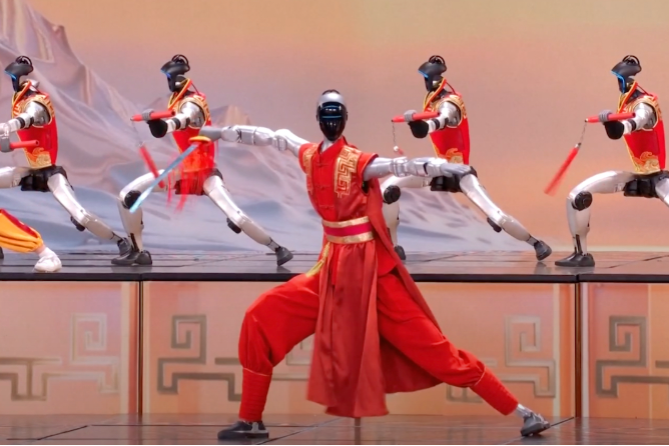
The 2026 Spring Festival Gala highlighted the domestic humanoid robot industry, attracting record-breaking participation:

JD.com reported that within two hours of the program’s coverage, robot-related searches surged by 300%.

Orders for home robots increased by 150%, spanning over 100 cities.

Key industry leaders include Noetix Robotics, Unitree Robotics, MagicLab, and Galbot. Highlights include humanoid robots performing martial arts, cooking, and logistics tasks, demonstrating automation technology’s transition from novelty to practical application.

Domestic humanoid robot shipments grew by nearly 650% in 2025, and are projected to exceed 62,500 units in 2026, indicating rapid adoption of humanoid robots in both commercial and consumer sectors.

Strategic Insight: The Chinese robotics industry, combining a rapid innovation cycle with early consumer acceptance, creates domestic and international growth opportunities for investors in AI hardware, industrial automation, and home robots.

Dreame Technology: Building a Full-Scenario Smart Ecosystem

Dreame Technology’s role as the “Smart Technology Strategic Partner” for the 2026 China Manufacturing Group Spring Festival Gala reflects the broader emphasis on ecosystem-driven innovation from policy and market perspectives.

Products cover mobility, home appliances, cleaning equipment, and entertainment systems, forming an integrated smart ecosystem.

The company operates in over 120 countries with 6,500 retail stores, combining global reach with deep localization.

**Implications:** Policy recognition of smart ecosystems aligns consumer-oriented technologies with strategic industrial development, highlighting the importance of artificial intelligence, digital motors, and robotics as drivers of China’s innovation-driven economic transformation.

**Part Two: Consumer Upgrade – Revitalizing Established Brands**

Traditional Brands Integrating Innovation

In 2024, 1,450 well-known time-honored brands in China generated $288 billion in revenue, with overseas profits exceeding $50 billion.

**Key Trends:**

Integrating cultural heritage (Laozihao) with modern branding and design (Guochao).

Expanding into digital channels, e-commerce, and experiential consumption.

Targeting Generation Z consumers with products that combine emotional value, lifestyle appeal, and collectible value.

**Case Study:**

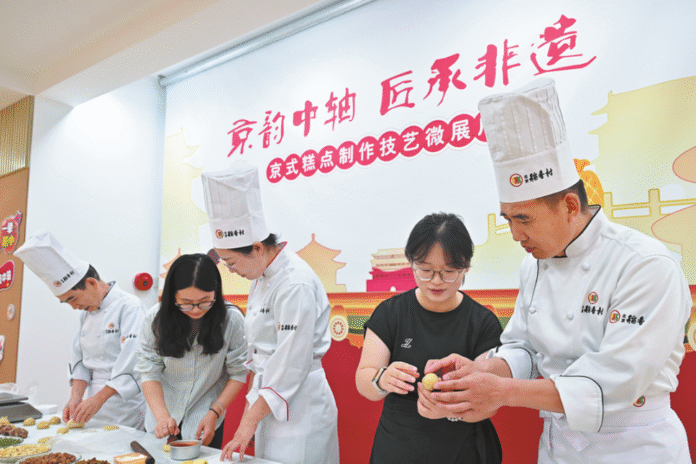
Beijing Daoxiangcun:

Leveraging culinary traditions to launch holiday-themed gift sets and art collaboration projects.

Products combining traditional craftsmanship and modern design, such as mousse cakes, refrigerator magnets, and phone charms.

Quanjude Group, China:

Renowned for its Peking duck, the group has transformed by launching high-end family banquet packages, interactive snacks, and social media-friendly packaging.

This strategy blends traditional and digital conveniences, aiming to simultaneously meet domestic demand and enhance global brand awareness.

Strategic Insight: These brands demonstrate that the integration of tradition, innovation, and digitalization is a powerful engine driving domestic consumption growth, consistent with China’s broader economic policies that emphasize quality over quantity.

Part Three: Impact on Investors and Executives

Dual Growth Engines:

Hard Technologies: Robotics, artificial intelligence, smart transportation, and a full-scenario home ecosystem.

Consumer Brands: Traditional businesses leveraging digital channels, experiential products, and lifestyle marketing.

Policy Alignment:

Both sectors benefit from the central and local government’s emphasis on high-quality growth, domestic demand, and global competitiveness.

Strategic investments in these areas can take advantage of favorable regulatory and incentive environments.

Global Impact and Innovation Transfer:

China’s smart technology innovations often serve as exportable solutions with the potential for international scaling.

Traditional brands expand into overseas markets, leveraging brand legitimacy and cultural intellectual property to create dual revenue streams both domestically and internationally.

Long-term perspective:

Rapid technological adoption and consumer upgrading trends indicate structural growth, less sensitive to short-term macroeconomic fluctuations.

Investors and executives should assess opportunities based on market relevance, innovation capabilities, and policy consistency, rather than short-term revenue breakthroughs.

Conclusion:
China’s economic landscape in 2026 depends not only on GDP growth but also on how growth is generated, distributed, and sustainable. The convergence of technological innovation and consumption transformation presents a unique opportunity for global investors:

Robotics and Artificial Intelligence: Rapidly developing, globally competitive, and innovation-driven.

Historically established brands: Leveraging traditional strengths to meet modern consumer demands.

This sector reflects China’s broader transformation towards quality, resilience, and innovation-driven growth, providing a roadmap for strategic investments in the coming years.

 

Article inline ad

China’s Time-Honored Brands Reemerge As Engines Of Consumption Growth

0

According to a report by China Daily on February 21

Heritage enterprises blend tradition, digital innovation and “guochao” to capture a new generation

 For decades, China’s “time-honored brands” — known domestically as laozihao — were often viewed as custodians of tradition rather than drivers of growth. In 2026, that perception is changing rapidly.

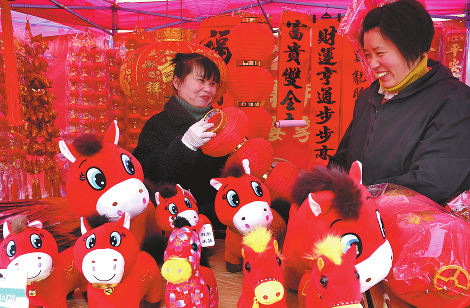
 During this year’s Spring Festival shopping season, legacy food and restaurant brands reported surging demand, fueled by a new formula: cultural heritage + contemporary design + digital commerce.

 The revival is not symbolic. It is economic.

 According to official data, China’s 1,450 nationally recognized Time-Honored Brands generated more than 2 trillion yuan ($288 billion) in operating revenue in 2024, with profits exceeding 350 billion yuan. Overseas revenue surpassed 50 billion yuan, reflecting growing global reach.

 With an average history of 145 years — and more than 60 percent over a century old — these companies span 32 industries across seven major sectors and collectively safeguard over 1,200 items of intangible cultural heritage.

 From Nostalgia to New Consumption

 The resurgence comes at a pivotal moment. Since 2025, China’s policy focus has emphasized expanding domestic demand and upgrading service quality as pillars of high-quality growth.

 Rather than relying solely on nostalgia, heritage brands are repositioning themselves within the country’s evolving consumption landscape:

 Integrating digital marketing and e-commerce

 Designing culturally resonant yet modern products

 Targeting younger demographics, especially Generation Z

 Expanding into experiential and “emotional value” consumption

 The rise of guochao — a China-chic aesthetic blending tradition with contemporary style — has further reshaped how heritage brands communicate with consumers.

 Case Study: Reinventing the Bakery Model

 One example is Beijing Daoxiangcun, one of the capital’s most iconic pastry makers.

 Rather than merely adding trendy packaging, the company has focused on “deep revitalization,” extending its historical craftsmanship into new product formats.

 For the 2026 Year of the Horse, it launched themed gift collections that combine traditional pastry-making techniques with artistic collaborations, including a partnership with renowned artist Han Meilin.

 Products such as mousse cakes and creatively designed accessories reinterpret traditional symbolism for health-conscious and design-oriented consumers — demonstrating how heritage assets can be monetized without diluting brand identity.

 Restaurants Shift Toward Experience and Home Scenarios

 The transformation extends beyond bakeries.

 China Quanjude Group, internationally known for its roast duck, is pivoting toward what executives describe as “emotional value consumption.”

 Facing intensified competition and shifting dining patterns, the company has adopted a “Catering + Food” dual strategy:

 Premium home banquet kits for at-home celebrations

 Snack products designed for younger, social-media-driven consumers

 Cross-brand integration within its restaurant portfolio

 This approach reflects a broader industry shift: traditional dine-in brands are expanding into retail, digital channels and lifestyle products to stabilize revenue and diversify growth.

 Policy Tailwinds and Structural Role

 According to officials at the Development Research Center of the State Council, heritage brands are increasingly seen as strategic assets in boosting consumption and strengthening cultural confidence.

 Government policy now emphasizes building internationally recognizable “Golden Namecards” — domestic brands capable of competing globally while satisfying rising domestic demand for quality and personalization.

 However, experts caution that sentiment alone cannot sustain growth. In today’s competitive retail environment, product quality, operational efficiency and innovation remain decisive.

 Why This Matters for Investors

 China’s consumption story is evolving beyond platform-driven e-commerce growth and luxury imports. Increasingly, growth is being generated by:

 Premiumization within mass-market categories

 Cultural IP monetization

 Digital transformation of traditional enterprises

 Domestic substitution with brand upgrading

 Time-Honored Brands sit at the intersection of all four.

 They offer built-in brand equity, supply chain depth, and cultural legitimacy — assets that can be leveraged in both domestic and international markets.

 Bottom Line

 China’s heritage brands are no longer relics of the past. They are becoming instruments of domestic demand strategy.

 By blending centuries-old craftsmanship with modern branding, digital distribution and experiential consumption models, these enterprises are aligning themselves with China’s broader economic transition toward quality growth.

 For global investors and consumer-sector executives, the shift signals something larger:

 China’s next wave of consumption growth may come not only from new tech disruptors — but from old masters learning how to reinvent themselves.

Article inline ad

Humanoid Robot Orders Surge After Gala Debut, Signaling Commercial Inflection Point

0

According to a report by China Daily on February 20

From stage spectacle to scalable consumer demand

 China’s annual Spring Festival Gala has long served as a cultural barometer. This year, it may also have marked a commercial turning point for the country’s humanoid robotics industry.

 Within two hours of the broadcast by China Media Group, search volumes for robots on JD.com surged 300 percent. Customer service inquiries rose 460 percent, and order volumes jumped 150 percent, according to platform data. New orders were placed from more than 100 cities, spanning both top-tier metropolitan areas and smaller regional markets.

 For investors and industry observers, the takeaway is clear: humanoid robotics in China is moving from demonstration to demand.

 A Market Scaling Faster Than Expected

 Research firm GGII estimates domestic humanoid robot shipments reached approximately 18,000 units in 2025 — a nearly 650 percent increase from 2024. Shipments are projected to climb to 62,500 units in 2026.

 This trajectory suggests that China’s robotics industry is entering an early commercialization phase, supported by:

 Rapid hardware iteration cycles

 Cost compression through supply-chain integration

 Strong consumer curiosity and acceptance

 Expanding use cases in service and light industrial tasks

 Unlike previous robotics waves focused primarily on factories, this new growth phase is consumer- and service-oriented.

 Companies to Watch

 Several domestic robotics firms used the gala platform to showcase increasingly practical applications.

 MagicLab

 Its MagicBot Gen1 and Z1 units demonstrated food preparation and delivery functions, positioning humanoids for hospitality and retail environments. The company emphasized commercial utility rather than entertainment value.

 Galbot

 Founded in 2023, Galbot raised $300 million in December 2025, reaching a $3 billion valuation. Its robots, powered by the “AstraBrain” large-model AI, demonstrated dexterity in sorting and folding tasks — a signal of progress in fine motor control, a longstanding challenge in humanoid development.

 Noetix Robotics

 The firm showcased humanoids capable of realistic facial expressions using compact motor systems. It plans to mass-produce its Bumi series, with entry pricing starting at 9,988 yuan (approximately $1,446), suggesting an aggressive move toward affordability.

 Unitree Robotics

 Already known globally for quadruped robots, Unitree demonstrated advanced humanoid mobility, including obstacle avoidance and acrobatic maneuvers. By the end of 2025, the company had shipped more than 5,500 humanoid units and surpassed 1 billion yuan in annual revenue, reporting five consecutive years of profitability.

 From Spectacle to Adoption

 The gala appearance was not the first time robots have featured in Chinese media events. However, this year marked the first large-scale showcase of multiple competing humanoid manufacturers simultaneously.

 More importantly, the immediate conversion into measurable consumer demand distinguishes this moment from prior technology demonstrations.

 China’s advantages in this sector include:

 Deep motor and actuator supply chains

 Competitive battery manufacturing

 AI model localization for embodied intelligence

 Rapid cost-down engineering

 The result: humanoid robots are approaching price points that expand addressable markets beyond research labs and enterprise pilots.

 What This Means for Global Robotics Competition

 China’s humanoid robotics industry is still in an early stage compared to industrial automation leaders globally. However, the speed of commercialization — particularly in consumer and light-service domains — may reshape competitive dynamics.

 Three signals stand out:

 Mass-market pricing is emerging earlier than expected.

 Domestic consumer acceptance is accelerating.

 Private capital continues to flow aggressively into the sector.

 If projected shipment growth materializes, China could become both the largest testing ground and the largest scaling market for humanoid robots within the next two years.

 Bottom Line

 The Spring Festival Gala performance may have captured public imagination, but the data that followed captured investor attention.

 Humanoid robotics in China is no longer confined to laboratory prototypes or viral videos. It is entering its first measurable demand cycle — one defined not just by technical ambition, but by purchase orders.

 For global executives and investors, the question is shifting from “Can humanoids work?” to “How fast can they scale?”

Article inline ad

Dreame’S Gala Debut Signals China’S Shift Toward Ecosystem-Driven Manufacturing

0

According to a report by China Daily on February 19…

From consumer branding to integrated tech capabilities

 Chinese smart home company Dreame Technology’s appearance as the first “Strategic Partner for Intelligent Technology Ecosystem” at the 2026 Spring Festival Gala may seem symbolic. But industry observers see it as something larger: a marker of China’s accelerating shift toward technology-driven manufacturing and ecosystem-level industrial capabilities.

 The gala, China’s most-watched annual television event, has historically mirrored the country’s economic evolution—from traditional consumer goods brands in earlier decades to internet platforms during the digital boom. Dreame’s prominent positioning this year signals a new phase: the rise of integrated hardware-software ecosystems as core drivers of economic transformation.

 Why This Matters

 China’s policy framework increasingly emphasizes “new quality productive forces”—innovation-led, systems-based industrial capabilities that combine advanced manufacturing, digital intelligence, and global scalability.

 Dreame’s showcase fits squarely within that direction.

 The company’s ecosystem spans:

 Robotic vacuum systems

 High-speed digital motor platforms

 AI-powered smart home integration

 Mobility and home appliance extensions

 Rather than promoting a single product, Dreame presented a full-scenario intelligent living ecosystem, highlighting interoperability across devices and categories.

 For policymakers and investors alike, this reflects a broader structural shift: Chinese companies are no longer competing primarily on cost or scale, but on platform-level integration and technological depth.

 China’s Competitive Edge In Consumer-Facing Hard Tech

 According to observers, global technological competition is expanding beyond traditional high-tech sectors such as semiconductors and telecom infrastructure. Consumer-facing robotics, intelligent home systems, and AI-enabled hardware are now strategic arenas.

 China’s advantages in this segment include:

 Mature supply chains

 Rapid prototyping and iteration cycles

 Strong domestic demand for digitalized living

 Tight integration between hardware engineering and AI algorithms

 Dreame’s expansion into more than 120 countries and service to over 42 million households underscores another trend: Chinese smart hardware brands are scaling globally, exporting both products and technology platforms.

 A Structural Signal, Not Just a Marketing Move

 The partnership comes in the opening year of China’s 15th Five-Year Plan (2026–2030), reinforcing the policy narrative that advanced manufacturing and integrated ecosystems will anchor high-quality growth.

 The evolution of Spring Festival Gala partnerships over four decades—moving from traditional consumer brands to internet platforms and now to intelligent manufacturing ecosystems—parallels China’s economic restructuring.

 For multinational competitors and global investors, the message is clear:

 China’s manufacturing upgrade is no longer confined to industrial machinery or heavy industry. It is increasingly visible in consumer-facing robotics, smart home systems, and AI-enabled appliances—areas where scale, software integration, and hardware innovation converge.

 What Executives Should Watch

 Ecosystem Competition

Expect increasing rivalry not just at the product level, but at the ecosystem level—interoperability, platform stickiness, and software integration.

 Hardware-AI Convergence

China’s innovation edge lies in embedding AI directly into mass-produced hardware at scale.

 Global Expansion of Chinese Brands

More Chinese intelligent manufacturing firms are likely to pursue international retail footprints and cross-border partnerships.

Policy Recognition of Integrated Manufacturing

Companies demonstrating system-level capabilities may gain greater strategic alignment with national industrial policy priorities.

 Bottom Line

 Dreame’s national-stage appearance is less about publicity and more about positioning. It reflects China’s transition toward ecosystem-driven, technology-intensive manufacturing as a pillar of economic transformation.

 For global investors and industry leaders, the signal is structural:

 China’s next competitive frontier is not low-cost production—it is integrated, AI-enabled industrial ecosystems designed for both domestic scale and global reach.

Article inline ad

China’s Consumer Spending Reports Steady Growth In Spring Festival Holiday

0

Xinhua | Updated: 2026-02-20 

BEIJING — Chinese consumers ushered in the Spring Festival holiday with a burst of spending, filling restaurants and malls and traveling across the country, which offered an early-year boost to the consumption sector.

 In the first four days of the holiday break, average daily sales at major retail and catering businesses rose 8.6 percent from the corresponding period a year earlier, according to data from the Ministry of Commerce. Traffic and revenue at 78 key shopping streets and districts in the first three days climbed 4.5 percent and 4.8 percent, respectively.

 The Spring Festival, which is also known as Chinese New Year, fell on Feb 17 this year, and the holiday, which starts two days earlier, lasts nine days in total.

 The spending wave blended tradition with new habits, with online platforms reporting brisk demand for smart devices. Sales of wearable gadgets on major platforms surged 19.7 percent year-on-year in the first three days of the holiday, with smart glasses more than doubling and smart blood glucose monitors up by nearly 50 percent.

 Services spending added to the momentum. Domestic tourism consumption on major platforms rose 4.5 percent year-on-year in the first three days of the holiday, including a 26 percent jump in car-rental bookings.

 In the southern island province of Hainan, duty-free sales reached 970 million yuan (nearly $140 million) in the first four days of the holiday, up 15.8 percent from a year ago.

 A nationwide consumer goods trade-in program also continued to unleash consumption demand. By Feb 18, nearly 28.44 million consumers had received subsidies to replace old products with new ones this year, generating nearly 196.39 billion yuan in sales. Auto trade-ins accounted for a sizable share, with sales reaching 100.23 billion yuan.

 The government introduced a slate of supportive measures ahead of the nine-day break, encouraging local authorities and businesses to pair promotional events with policy incentives, including shopping vouchers and improved payment services for visitors.

 The document calls for placing development at the center of the reform agenda and helping developing members seize growth opportunities in areas such as the digital economy, green transition, and artificial intelligence.

 Looking ahead, the document calls for discussions on government measures that produce trade-distorting effects, urges respect for members’ different economic systems and stages of development, and urges efforts to reach consensus on fair competition to foster an international trade rules environment that better meets the needs of industrial development, the official said.

Article inline ad

China Submits Comprehensive Position Paper On WTO Reform

0

According to a report by China Daily on February 19..

What It Means for Global Trade and Multinational Strategy

China has submitted its first comprehensive position paper on reforming the World Trade Organization since the formal reform process was launched in 2022, according to the Ministry of Commerce.

 The document outlines China’s principles and proposals for reforming the multilateral trading system under current global conditions. It emphasizes support for open and inclusive economic globalization, the preservation of multilateral rules, and a development-oriented approach to trade governance.

 While framed as a policy statement, the move carries broader implications for global businesses navigating a fragmented trade environment.

 Why This Matters Now

 The WTO has faced mounting pressure in recent years: dispute settlement paralysis, rising unilateral trade measures, industrial policy competition, and geopolitical fragmentation.

 China’s new submission signals three strategic priorities:

 1️⃣ Defense of Multilateralism

 China reiterates its support for a rules-based multilateral trading system rather than bilateral or bloc-based arrangements. For multinational companies, this suggests continued Chinese advocacy for predictable trade frameworks rather than ad hoc retaliation or decoupling.

 Business implication:

China is positioning itself as a stakeholder in preserving global trade institutions, which could reduce long-term systemic risk if reform momentum gains traction.

 2️⃣ Development-Focused Reform

 The paper reportedly emphasizes development concerns, reflecting the ongoing debate over special and differential treatment for developing members.

 This matters for:

 Industrial policy flexibility

 Technology transfer debates

 Market access negotiations

 Subsidy transparency frameworks

 Business implication:

Future WTO reform discussions may shape how industrial subsidies, state support, and technology standards are treated globally—areas directly affecting sectors such as clean energy, semiconductors, and advanced manufacturing.

 3️⃣ Institutional Stability Amid Geoeconomic Tensions

 With increasing trade controls, export restrictions, and investment screening measures globally, WTO reform discussions are no longer technical—they are geopolitical.

 By submitting a systematic reform framework, China is signaling that it prefers institutional negotiation over escalation.

 Business implication:

Companies operating across multiple jurisdictions should monitor WTO reform discussions as potential stabilizers—or stress points—in global supply chains.

 Strategic Context

 China has been active in WTO reform discussions since 2018, but this is its first comprehensive policy document since the reform process formally began in 2022.

 The timing reflects:

 Heightened pressure on the dispute settlement mechanism

 Ongoing subsidy and industrial policy debates

 Growing fragmentation of global trade governance

 The document is described as:

 Multilateral-oriented

 Development-focused

 Future-oriented

 These themes align with China’s broader positioning as both a major trading power and a representative of developing economies within global institutions.

 What Global Executives Should Watch

 Dispute Settlement Reform – Restoration or redesign of enforcement mechanisms could significantly affect trade risk calculations.

 Subsidy and Industrial Policy Rules – Critical for sectors exposed to state-backed competition.

 Digital Trade and Emerging Technologies – Governance standards may influence cross-border data flows and tech supply chains.

 Geopolitical Alignment vs. Institutional Negotiation – Whether reform progresses multilaterally or trade fragmentation deepens.

 Bottom Line

 China’s submission does not immediately change trade rules. However, it signals:

 Continued engagement in multilateral institutions

 A preference for negotiated reform over systemic breakdown

 An effort to shape the future architecture of global trade governance

 For multinational firms, the message is clear: global trade risk is increasingly political, but institutional reform remains in play. Monitoring WTO reform dynamics should be part of long-term supply chain and market strategy planning.

Article inline ad

Year of the Horse: intangible cultural heritage, AI ignite festive spending in Beijin

0

By Li Jiaying | chinadaily.com.cn | Updated: 2026-02-15 

Long lines stretch outside intangible cultural heritage (ICH) workshops, children wave lanterns beneath glowing light installations, and young visitors queue eagerly to try on AR glasses that bring ancient palace scenes to life. As the Year of the Horse approaches, Beijing’s Spring Festival consumer market — where time-honored traditions and cutting-edge technology converge to spark a new wave of spending — is brimming with vitality.

 This year, digital innovation is transforming the cultural-tourism experience of this millennium-old city. During the Spring Festival holiday, major scenic spots have introduced “smart cultural tourism” models that seamlessly blend history with technology.

 At the Palace Museum, an upgraded digital program features AI-generated virtual figures recreating Qing Dynasty (1644-1911) court New Year celebrations. Wearing AR glasses, visitors can interact with virtual palace characters to write “Fu” characters and hang lanterns. Meanwhile, national-level ICH inheritors demonstrate cloisonne enamel and Beijing embroidery techniques, with AI offering visual explanations of the intricate craftsmanship. The Summer Palace has launched a “Metaverse Spring Festival Tour”, allowing tourists to unlock virtual check-in points and complete AI blessing tasks via mobile apps in exchange for cultural and creative products. The upcoming Dadu Spring Festival Temple Fair will also introduce AI experience zones, extending traditional festivities beyond physical boundaries.

 Fueled by the Guochao trend, the living transmission of ICH is expanding into new consumption scenarios. Beijing is integrating traditional craftsmanship with contemporary lifestyles, transforming once “standalone” heritage works into popular New Year commodities.

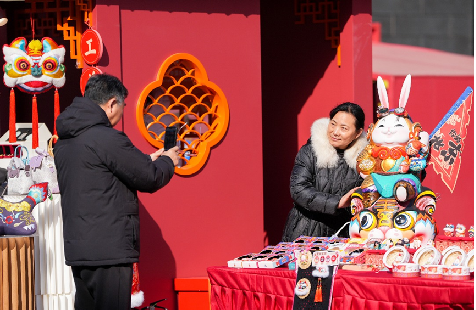
 Core commercial hubs such as Qianmen Street and Sanlitun have rolled out Spring Festival ICH consumption seasons, bringing together dozens of time-honored brands and creative heritage labels. At the Hongxing Qianmen Yuanshenghao Museum, visitors can observe traditional brewing techniques and customize festive wines through hands-on workshops. Sanlitun’s “Lion King Enters Beijing” campaign combines traditional lion dance performances with trendy retail spaces — attracting younger consumers and driving more than 30 percent year-on-year growth in surrounding ICH product sales.

 Upgraded immersive commercial districts are also delivering a comprehensive holiday experience. Drawing on the cultural heritage of Beijing’s Central Axis and old-city customs, various neighborhoods have crafted distinctive festive scenes. Daji Alley’s “Alley Market” brings together ICH handicrafts and classic Beijing snacks, recreating a nostalgic New Year atmosphere. Zhongguancun Grand Emporium hosts lion dance performances alongside Guochao exhibitions and AI interaction zones. For families, more than 35 parent-child activities are on offer, including COFCO Xiangyun Town’s Snoopy Ice and Snow Adventure, which integrates winter recreation with ICH experiences. At the Expo Garden, the “Tiangong Lantern Festival” blends the “Havoc in Heaven” IP with Zigong ICH lantern craftsmanship, presenting a visual feast that fuses traditional aesthetics with technological flair.

 Under the theme “Joyful Shopping for Spring · Colorful Beijing Four Seasons”, Beijing has mobilized resources from all 16 districts and dozens of government departments, launching more than 460 consumption-promoting activities. By integrating Guochao aesthetics, intangible cultural heritage inheritance, and AI-powered experiences, the city is shaping a new landscape for holiday consumption while unlocking the vitality of cultural-tourism integration and consumption upgrading.

 Supportive policies are further fueling the momentum. Subsidies for smart device and home appliance trade-ins have been increased, while holiday shoppers spending more than 100 yuan ($14.5) in designated sectors can enter prize draws with rewards of up to 800 yuan per invoice. Nearly 30 million yuan has also been allocated to subsidize film screenings, performances, and skiing activities, adding fresh impetus to festive spending.


Article inline ad

China’s Dual Upgrade: Global Brands Go Premium as Traditional Industries Go Smart

0

According to a report by China Daily on February 15th

China’s economic transformation is increasingly visible at both ends of the industrial spectrum — from premium consumer brands expanding abroad to traditional sectors undergoing modernization at home. Two recent developments highlight this dual-track upgrade.

Premium Ambitions: Anta Steps Into the U.S. Market

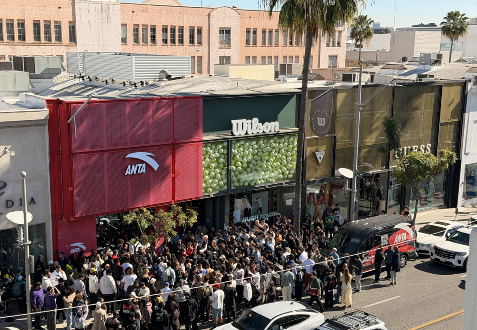
 Chinese sportswear giant Anta has opened its first directly operated U.S. flagship store in Beverly Hills, placing itself in one of America’s most prestigious retail corridors.

 While Anta already operates more than 12,000 stores in China, the Beverly Hills location marks its first self-run physical outlet in the United States — a strategic shift from distribution-based international sales toward direct brand building in advanced markets.

 The move follows Anta Sports’ recent $1.8 billion acquisition of a 29 percent stake in German sportswear company Puma, making it the largest shareholder. Together, the retail expansion and capital investment suggest a coordinated push toward global premium positioning.

 NBA stars Kyrie Irving and Klay Thompson appeared at the opening ceremony, reinforcing Anta’s strategy of leveraging sports culture to build international credibility. The store is positioned not merely as a retail space but as a “sports lifestyle hub,” hosting community programs and localized brand experiences.

 For global investors, the signal is structural: Chinese consumer companies are moving beyond manufacturing scale to compete on branding, design, and cultural resonance in mature markets.

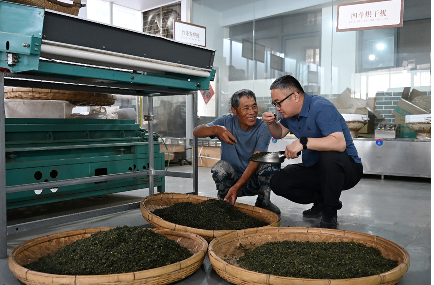
 Reinventing Heritage: China’s 1.5 Trillion Yuan Tea Plan

 At the same time, China is accelerating modernization in traditional sectors. A new policy roadmap led by the Ministry of Industry and Information Technology sets a goal of expanding the country’s tea industry to 1.5 trillion yuan (approximately $216 billion) by 2030.

 The plan goes beyond boosting agricultural output. It calls for upgrading the entire industrial chain — from smart cultivation and processing to branding, product diversification, and cross-sector integration. Tea derivatives are encouraged to expand into cosmetics, health-care products, daily consumer goods, and other lifestyle categories.

 Interim targets for 2028 emphasize improvements in quality, efficiency, and the development of specialized regional clusters. Technology innovation and intelligent manufacturing are central to the transformation.

 This reflects a broader policy shift: traditional industries are no longer treated as static or low-value sectors. Instead, they are being repositioned through technology, supply-chain modernization, and brand development — aligning rural revitalization with consumption upgrading.

 A Structural Narrative

 Taken together, these two developments illustrate a consistent economic theme. On one front, Chinese brands are expanding globally and targeting high-end consumers. On the other, heritage industries are being upgraded through innovation and value-chain integration.

 Rather than relying solely on infrastructure stimulus or credit expansion, China’s growth strategy increasingly emphasizes industrial upgrading, brand competitiveness, and diversified domestic demand drivers.

 For multinational companies and investors, the implication is clear: China’s next phase of development is less about scale alone and more about structural sophistication — both abroad and at home.

Article inline ad

China Targets 1.5 Trillion Yuan Tea Industry By 2030 In Push For Modernization

0

According to a report by China Daily on February 15th

China has unveiled a new roadmap to upgrade its tea industry, aiming to expand the sector’s full industrial chain to 1.5 trillion yuan (approximately $216 billion) by 2030.

 The guidelines, issued by multiple government departments including the Ministry of Industry and Information Technology, outline plans to modernize production, enhance quality standards, and strengthen the global competitiveness of one of the country’s most culturally significant industries.

 Rather than focusing solely on agricultural output, the strategy emphasizes full value-chain integration — from cultivation and processing to branding, product diversification, and cross-industry applications. The plan calls for expanded use of tea components in consumer goods such as cosmetics, health-care products, and daily household items, reflecting a shift toward higher value-added consumption.

 Targets have also been set for 2028, with policymakers seeking measurable improvements in traditional tea-producing regions and greater development of specialized local clusters. Technology innovation, smart manufacturing, and supply-chain modernization are central components of the plan.

 China, long regarded as the historical birthplace of tea, is seeking to translate cultural heritage into industrial competitiveness. The initiative aligns with broader economic priorities: rural revitalization, domestic consumption upgrading, and agricultural modernization.

 For international observers, the move highlights a structural trend in China’s economy. Traditional sectors are no longer viewed as static or low-margin; instead, they are being repositioned through branding, technology, and integration into global consumer markets.

 As China navigates slower external demand and structural transformation, both premium consumer brands going global and traditional industries going smart form part of a dual-upgrade narrative shaping the country’s next phase of economic development.

Article inline ad

Chinese Sportswear Giant Anta Opens U.S. Flagship in Beverly Hills, Signaling Premium Push

0

According to a report by China Daily on February 15th

Chinese sportswear company Anta has taken a significant step in its global expansion strategy with the opening of its first directly operated U.S. retail store in Beverly Hills, positioning itself alongside established international luxury and performance brands.

 The 3,000-square-foot flagship marks Anta’s formal entry into the American brick-and-mortar market. While the company operates more than 12,000 stores in China, this is its first self-operated location in the United States — a move that signals confidence in brand recognition beyond its home market.

 The opening follows Anta Sports’ recent $1.8 billion acquisition of a 29 percent stake in German sportswear brand Puma, making it Puma’s largest shareholder. Industry analysts see the two developments as interconnected: capital investment abroad combined with direct consumer engagement in high-end retail districts suggests a long-term strategy aimed at global premium positioning.

 The Beverly Hills store features Anta’s full core lineup, including basketball and performance running products manufactured in China. NBA stars Kyrie Irving and Klay Thompson — long-time brand partners — attended the launch, underscoring Anta’s efforts to build cultural credibility in the world’s most competitive sportswear market.

 Beyond retail, the company says it intends to use the store as a “sports lifestyle hub,” hosting localized events such as run clubs and basketball community programs. This reflects a broader strategy among Chinese consumer brands: moving from manufacturing strength to brand storytelling, community building, and global lifestyle positioning.

 For global investors, Anta’s U.S. flagship is more than a store opening. It illustrates how Chinese consumer brands are shifting from export-led growth to international brand ownership — competing not only on price, but on culture, innovation, and premium appeal.

Article inline ad