Wednesday, November 25, 2026

Home Blog Page 180

‘Eco Stars’ Exemplify Industry, Nature Can Coexist In Harmony

0

China Daily | Updated: 2025-08-22

SHENYANG — A flock of sheep graze lazily on green grass as geese waddle by in a scene that could easily be mistaken for a meadow in the Chinese countryside.

But the setting is far from rural. The animals live on the grounds of Michelin’s tire factory in Shenyang, which was once a gritty heavy industry stronghold in the northeastern province of Liaoning.

What began with three sheep brought in to replace chemical weed control in 2022 has since grown into a flock of 24, now affectionately dubbed the facility’s “eco stars”. Their grazing keeps the grass trimmed, their droppings fertilize the soil and their presence has become a symbol of how industry and nature can thrive side by side.

“We are trying to build a green space where industry and ecology coexist in harmony,” said Li Yanbing, general manager of Michelin Shenyang Tire Company.

This unusual pairing of animals and tires is part of a broader story. Across China, factories are trading smokestacks and chemical fumes for clear sky and clean air in a sweeping green industrial transformation that is reshaping the landscape of the nation’s manufacturing heartland.

A few hundred kilometers away from the tire plant on Changxing Island in the harbor city of Dalian, the sun glints off tanks and pipelines across Hengli Petrochemical’s sprawling industrial park — a giant fortress of steel that looks every bit the picture of heavy industry and was long criticized as energy-hungry, polluting and resource-intensive.

Yet inside its wastewater treatment exhibition hall, the sights are unexpectedly serene: koi fish swim under bridges and clean recycled water flows beneath luxuriant vegetation.

“This water’s chemical oxygen demand is below 15 milligrams per liter, far better than the national standard,” said the company’s general manager, Xu Jin, clearly proud of a system that makes waste treatment a part of the scenery.

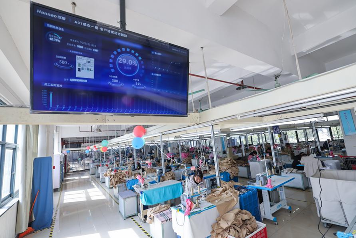
China has remained the world’s largest manufacturing country for 15 consecutive years. But in very recent years, the rapid advance of smart manufacturing and a wave of green innovations have transformed many of the country’s once-smoky, soot-stained plants into places that look more like landscaped parks.

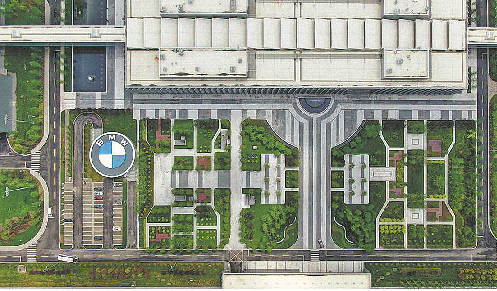
In Tiexi district of Shenyang, formerly the center of that industrial powerhouse, sprawling factory zones are now home to attractions like the Tiexi plant of BMW Brilliance, which has become an industrial tourism site.

On its grounds stand rows of trees, landscaped gardens and an artificial lake where egrets perch and koi fish glide gracefully through the water.

Through ecological planning and restoration, the plant has created a workplace that blends seamlessly with nature. Its green space spans 380,000 square meters, and since 2017, it has welcomed over 130,000 tourists.

And more garden-like green factories could be on the horizon.

By January 2025, the output of China’s national-level green factories accounted for about 20 percent of the country’s manufacturing value, according to official data. The government’s goal is to push that share of green factories above 40 percent by 2030.

On factory floors, China’s green shift is no longer an abstract policy goal, it is tangible, measurable and increasingly profitable.

Northeast Pharm, a leading drug maker based in Shenyang, offers a good example.

The company has revamped its production lines with closed-loop systems that keep dust out of the air and capture emissions before they spread. “We’ve achieved sealed material feeding, material transfer and centrifuging,” said Zhao Zhiyuan, deputy director of a plant that operates under the company. “The use of raw materials has since been reduced while pressure on pollution treatment has been cut significantly.”

Outside the company’s vitamin C workshop, a recovery unit collects low-concentration methanol and converts it into carbon sources, which are then reused in wastewater treatment to remove pollutants.

The system saves 620 metric tons of methanol each year, turning once discharged pollutants into reduced costs of 1.48 million yuan ($206,200), according to Zhao.

“What used to be a burden is now a profit source,” Zhao said. “Environmental protection is not a cost, it’s competitiveness now.”

In Shandong province, Chinese heavy-duty truck manufacturer Sinotruk is reaping similar rewards.

Sinotruk exported 134,000 new energy heavy-duty trucks in 2024, worth a total of 44.9 billion yuan. Liu Peng, who works for Sinotruk’s international arm, attributes the outstanding performance in the African and Southeast Asian markets to the company’s green transition.

“African clients care about carbon emissions very much,” said Liu. “Our pure-electric heavy-duty trucks are over 15 percent more energy efficient than European brands.”

At its Laiwu plant, the transformation is visible from above. Rooftops covered with solar panels generate 260,000 kilowatt-hours of electricity each day, which is well beyond the 170,000 kWh the factory consumes daily.

The solar panels on the rooftops are part of the company’s two photovoltaic power stations, which cut carbon dioxide emissions by nearly 40,000 tons each year.

Nationwide, the results are adding up. In 2024, China’s energy consumption per unit of GDP was 11.6 percent lower than in 2020, equivalent to reducing carbon dioxide emissions by 1.1 billion tons. That has made China one of the countries with the fastest decline in energy intensity in the world.

“China is accelerating the construction of a green, low-carbon and circular economy,” said Zhou Haibing, deputy director of the National Development and Reform Commission. He noted that the country has nurtured more than 6,400 national-level green factories and over 490 green industrial parks.

“From going green because we must to because we want to, China’s factories have been redefining their role in recent years,” said Bi Deli, a professor at Liaoning University.

For decades, growth and sustainability seemed at odds. Now, China’s green factories are trying to prove they can be partners and turn sustainability into a source of strength, Bi noted. “It’s an important insight that China’s manufacturing industry offers for the global industrial transition toward low-carbon development.”

Article inline ad

Foreign Brands Turning Back To China For Edge In Manufacturing

0

By WANG ZHUOQIONG | China Daily Global | Updated: 2025-08-22

Global brands that once shifted part of their production out of the country are now turning back as they rediscover China’s enduring manufacturing edge.

Steve Madden, the US-based footwear and accessories brand, began diversifying production last November, announcing in the first quarter that only a mid-teens percentage of goods would be sourced from China. But by the second quarter, Steven Madden Ltd’s Chairman and CEO Edward Rosenfeld said on an earnings call earlier this month that some production had been shifted back to China for the autumn season.

“We felt it would be difficult to ensure on-time delivery, appropriate product quality and/or reasonable pricing if we sourced elsewhere,” Rosenfeld said.

The Steve Madden brand is not alone. Intersport International Corp, the Switzerland-based sporting goods retailer, is also weighing a pivot back to China. The company sees an opportunity to tap into the country’s unrivaled supply chain efficiency at a time when many rivals are moving production to Southeast Asia and other developing markets. The group is considering sourcing a greater share of its private-label products from China.

Industry analysts said the country’s deep integration of manufacturing resources and skilled workforce remains compelling.

Cheng Weixiong, an independent fashion analyst and founder of Shanghai Liangqi Brand Management Co Ltd, said, “It is a timely move for companies like Steven Madden and Intersport to shift more capacity back to China, where costs are currently lower and orders in some manufacturing facilities are insufficient.”

Bai Ming, a researcher at the Chinese Academy of International Trade and Economic Cooperation, said that China offers advantages beyond manufacturing costs.

“The country’s end-to-end supply chain enables brands to go from design to mass production in weeks,” Bai said. “For businesses that value speed, scale and sophistication, China is both a consumption powerhouse and an innovation accelerator.”

The toy industry is another case in point. Despite tariff headwinds, Chinese manufacturers continue to concentrate most of their operations domestically despite many relocating some of their capacities in Southeast Asian markets.

“Many toy makers still keep 70 to 80 percent of their capacity in China and about 20 percent in Southeast Asian markets,” said Liu Zhenlie, head of the Shenzhen Toys Industry Association.

“Labor and costs are now about 5 to 10 percent higher in Southeast Asia, while China maintains strong supply capacity and rapid supply-chain response.”

Liu also said the toy sector in Shenzhen, Guangdong province, has maintained mild growth so far this year.

Meanwhile, Southeast Asia’s manufacturing sector is expanding rapidly but faces challenges. According to Savills, Vietnam’s industrial parks reached 86 percent occupancy in the first nine months of 2024, with average land prices topping $170 per square meter. Northern provinces offered cheaper land than the south, but availability remains tight, underscoring the limits of large-scale relocation, according to the report.

wangzhuoqiong@chinadaily.com.cn

Article inline ad

Respecting The People Of Victoria And Ushering In A New Era

0

Chinese Community Consultation on Victoria’s New China Strategy Launches

Respecting The People Of Victoria And Ushering In A New Era-zhsailing

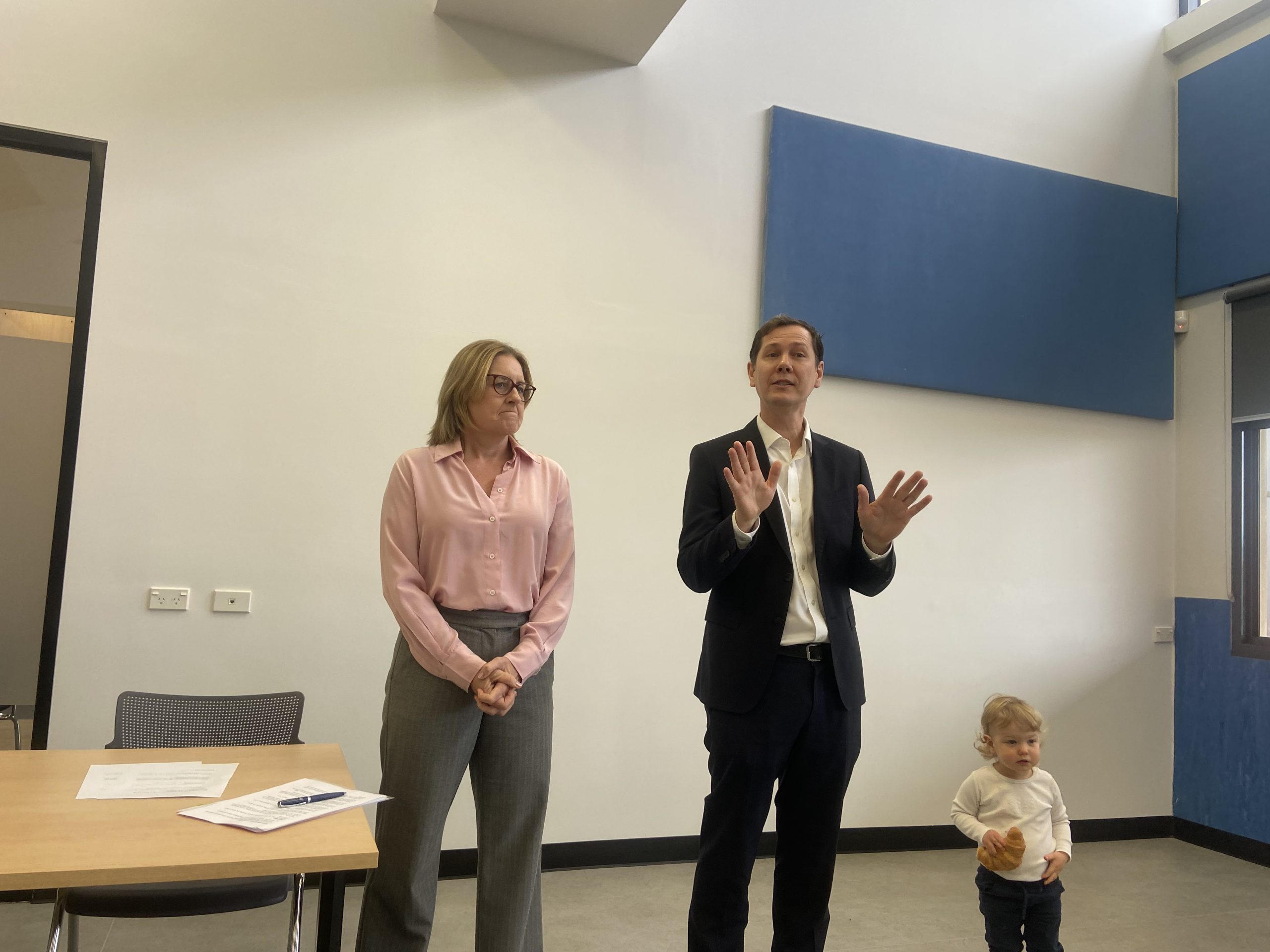
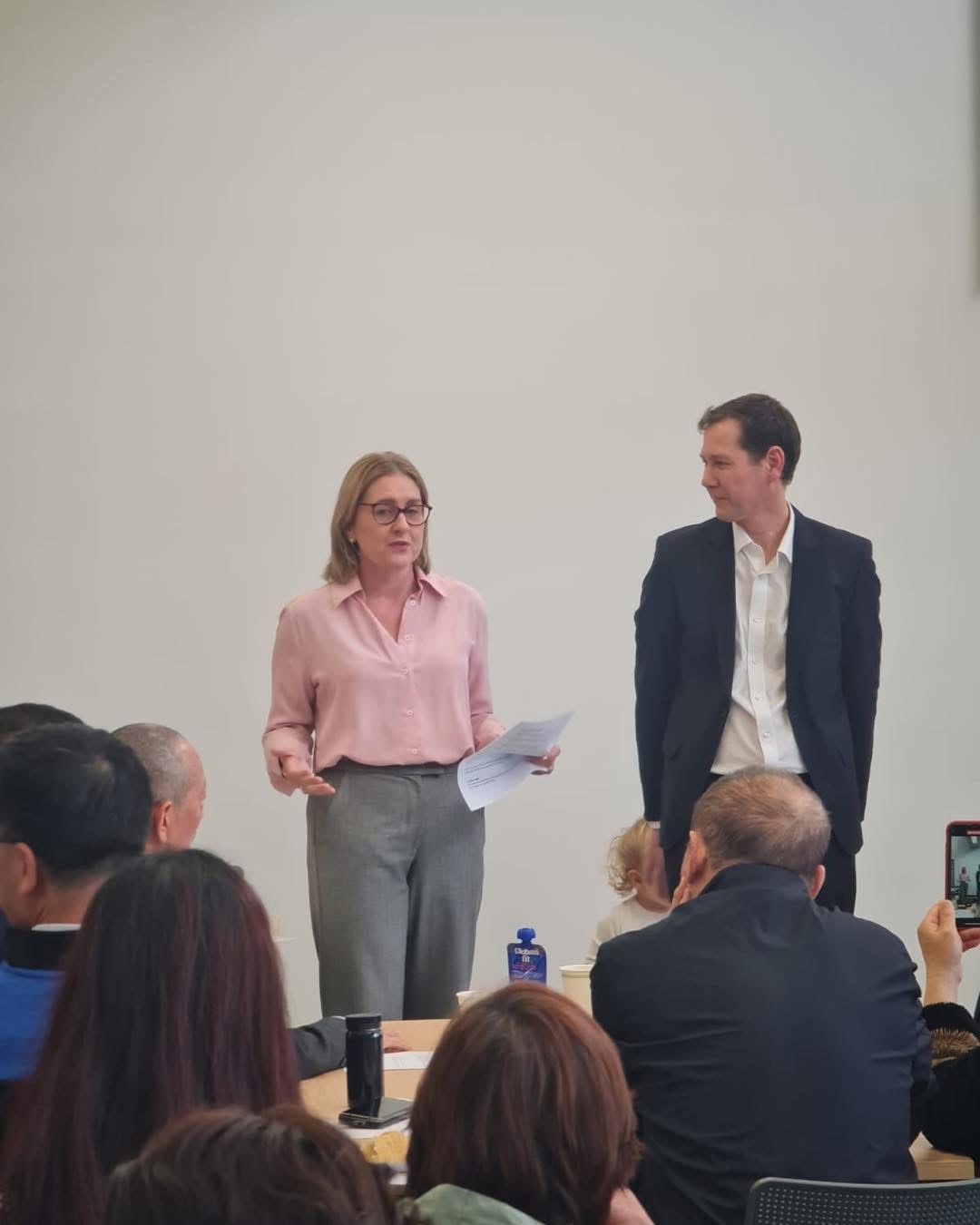
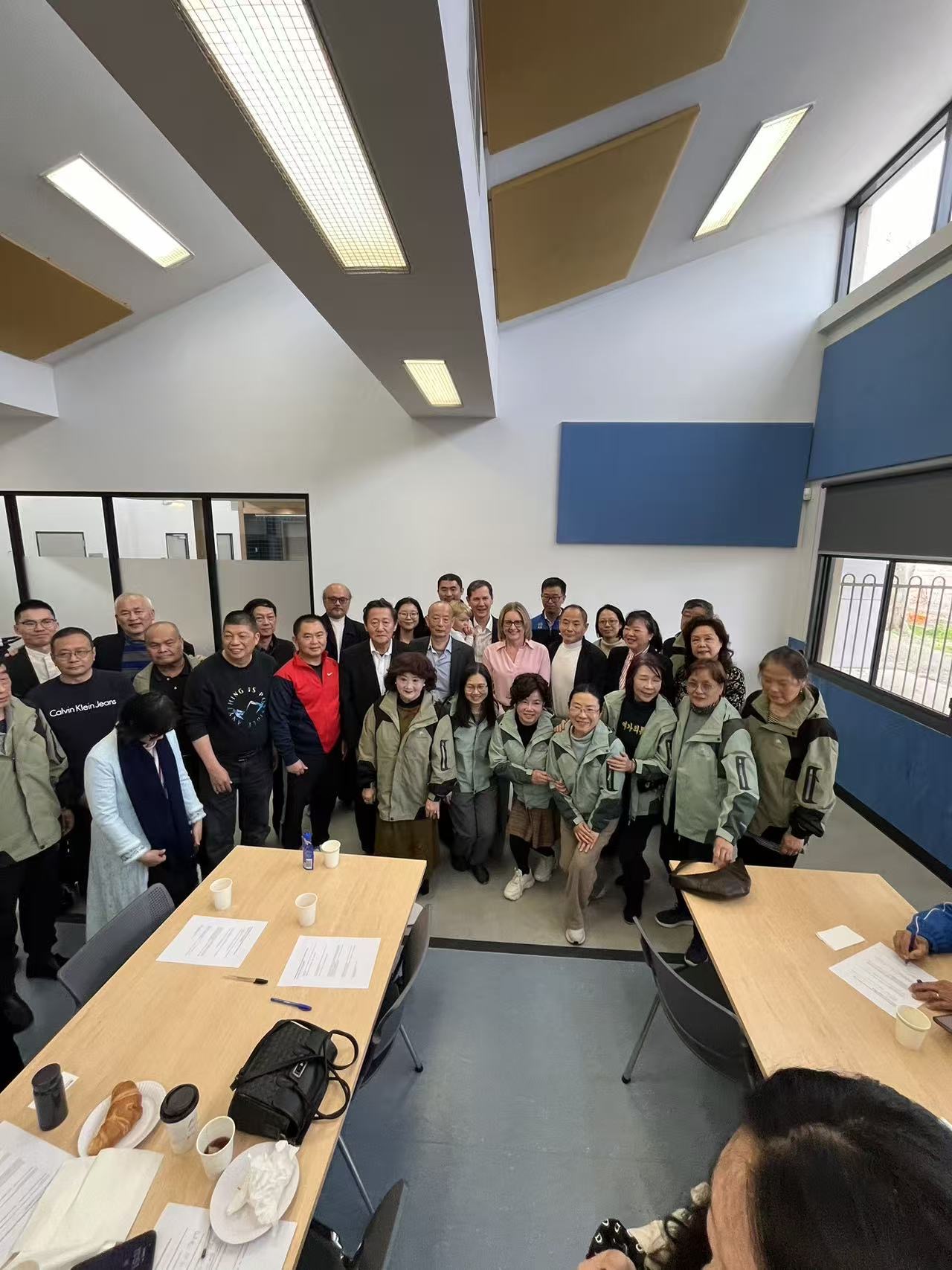
On the morning of August 22nd, Victorian Premier Jacinto Marie Allan personally attended a Chinese community consultation meeting on Victoria’s New China Strategy, hosted by Wyndham City Council in the Point Cook Community Centre conference room in Melbourne’s west. She listened to the views of Chinese communities, businesses, and representatives from the western suburbs on Victoria’s New China Strategy. The Premier will visit China in September to strengthen people-to-people and business ties between the two regions, and his visit primarily sought to hear the Chinese community’s perspectives on this important relationship. The meeting was hosted by Wyndham City Councillor Mathew Hilakari MP, who addressed the Chinese community in attendance on the New China Strategy, which will be visited in China next month.

Respecting The People Of Victoria And Ushering In A New Era-zhsailing

First, the Premier thanked Wyndham City Council for hosting this Chinese community consultation meeting on Victoria’s New China Strategy, which is part of our ongoing China strategy exchange. She also expressed her gratitude to the Chinese community for taking the time to attend. In her speech, she also mentioned that Melbourne’s west is a growing region, particularly one with a growing Chinese population. In particular, in the western suburb of Point Cook, approximately 14% of the population is of Chinese descent or was born in China. She noted that Melbourne’s west is experiencing rapid development, and the Chinese community is a vital component of this. She said, “We want to ensure your voices and experiences are reflected in our broader China strategy.” Victoria has always had deep economic, cultural, and community ties with China. Last December, we released our Economic Growth Statement, announcing that the Victorian government would develop a new China strategy to guide our engagement with one of our most important partners.

Respecting The People Of Victoria And Ushering In A New Era-zhsailing

She also noted that Councillor Mathew of Wyndham is passionate about the region. He is committed to promoting education so that every child has access to a high-quality education, and he is focused on developing transportation and infrastructure to allow families to spend more time together.

 Today’s forum is a valuable opportunity to hear directly from you all. Through Councillor Mathew, we will continue this dialogue throughout the implementation of the five-year strategy. I very much look forward to traveling to China later this year and would appreciate your suggestions on itinerary arrangements and content. During the consultation process over the past few months, we have collected many views and concerns. These issues are important not only to the Chinese community, but to all Victorians.

Respecting The People Of Victoria And Ushering In A New Era-zhsailing

In a statement released in May of this year, the Premier stated: “This September, I will lead a trade delegation to China, my first as Premier. We will meet with business, politics, education, and people from all walks of life to further strengthen the friendship between Victoria and the Chinese people. I am proud of this friendship. This visit is an opportunity to start a new chapter, and Victoria will lead this process.

Respecting The People Of Victoria And Ushering In A New Era-zhsailing

I will develop a new Victorian China strategy and bring it internationally. This strategy will be built around Victoria’s five core strengths: food and fiber; advanced manufacturing and clean energy; medical technology and pharmaceuticals; tourism and creative industries; and, of course, international… International education.

 Over the past few years, we’ve heard conservative politicians make unnecessary and divisive remarks that have hurt Chinese-Australian families. In an era of tariffs and global economic uncertainty, I want to seize opportunities to create good, stable jobs and drive strong economic growth for Victoria. As Premier, I will not close the door to economic opportunities. I welcome them with open arms.

Respecting The People Of Victoria And Ushering In A New Era-zhsailing

During this Chinese community meeting, Mr. Zhao Xia, a Chinese councillor for Wyndham City Council, actively organized Western District Chinese communities, Chinese businesses, and Chinese friends living in the Western District to participate in this consultation with the Premier as part of our strategic engagement with China.

Respecting The People Of Victoria And Ushering In A New Era-zhsailing

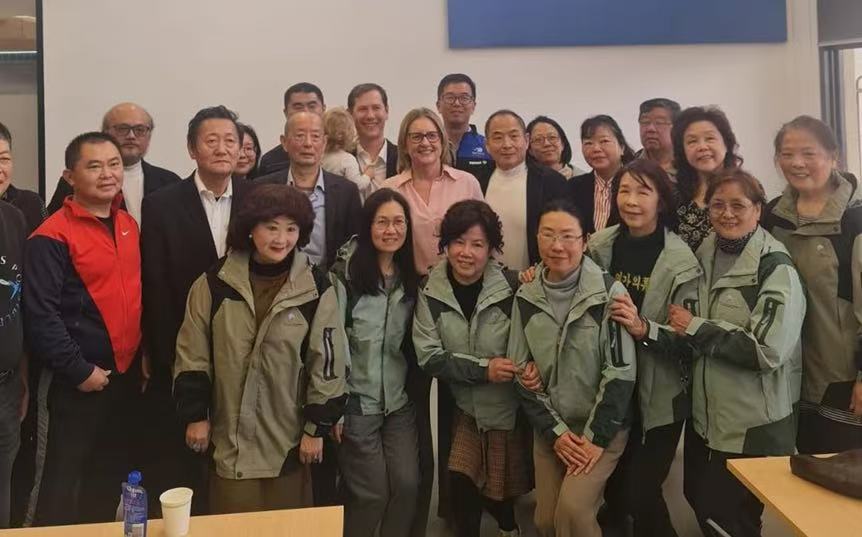
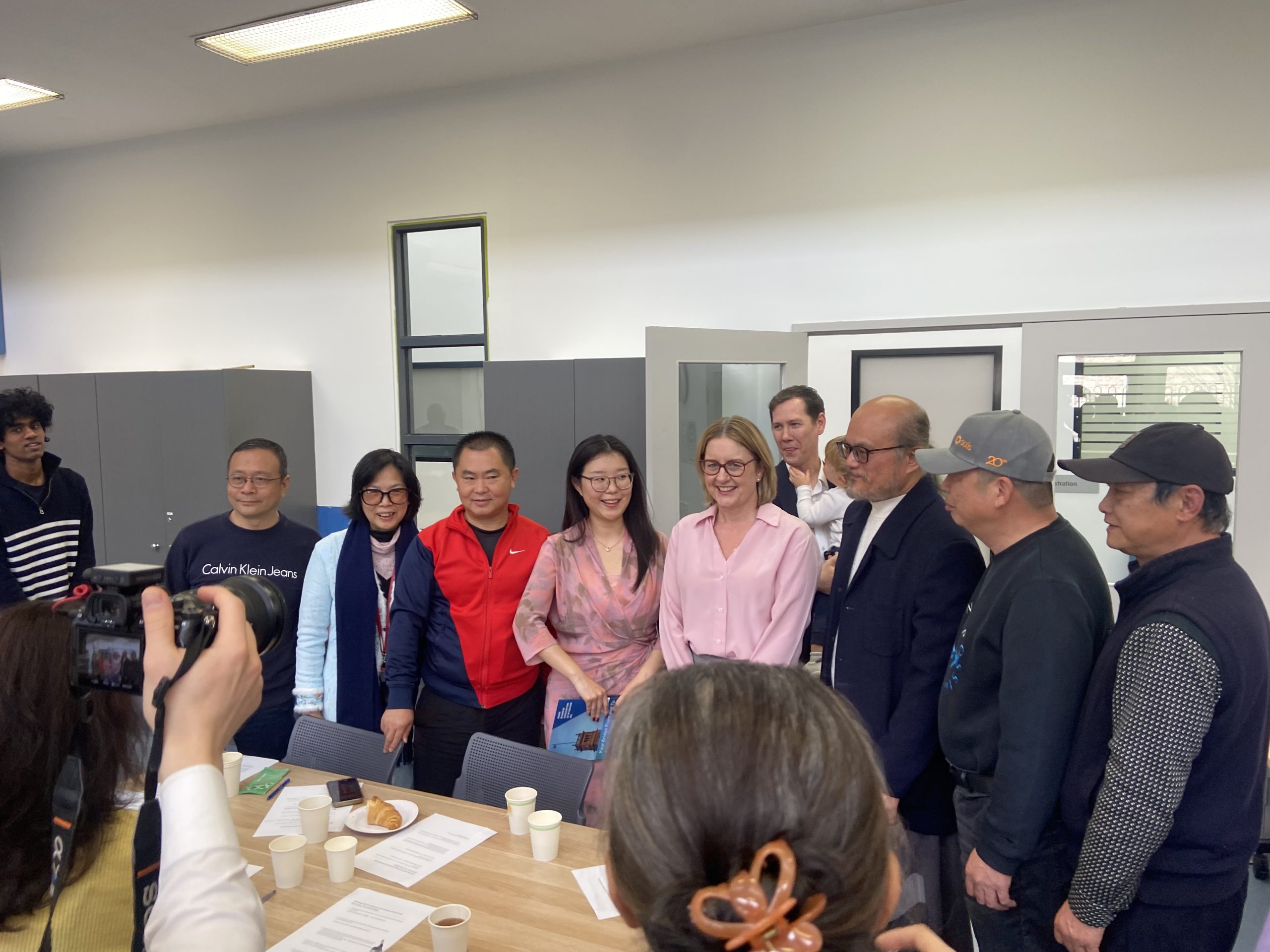
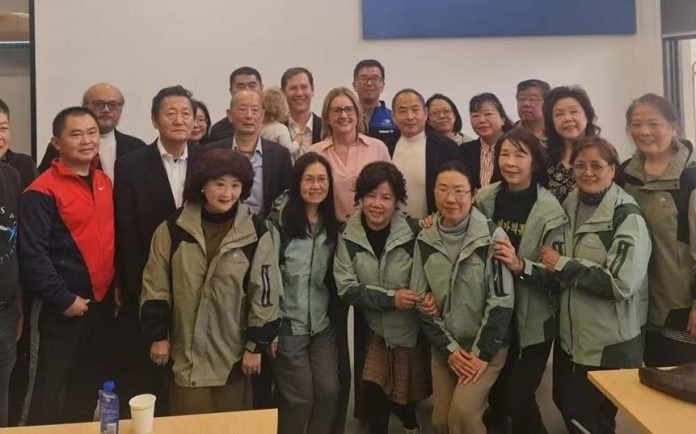
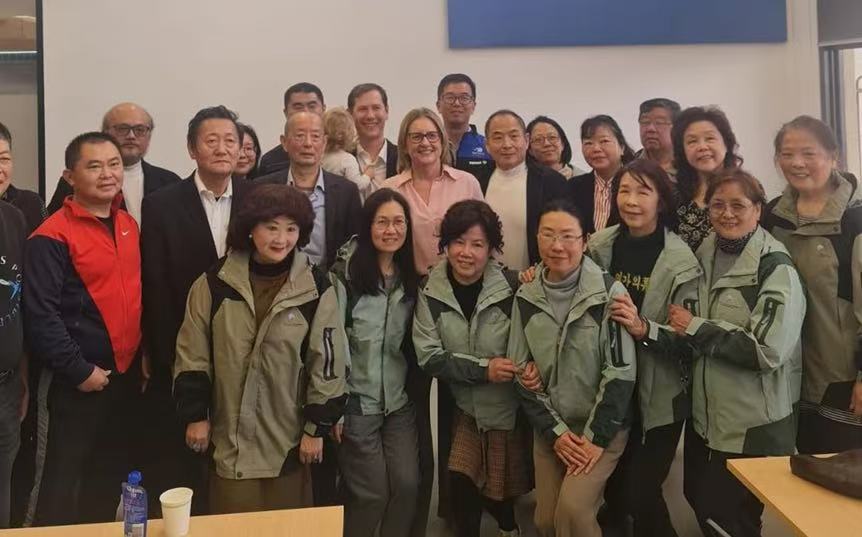
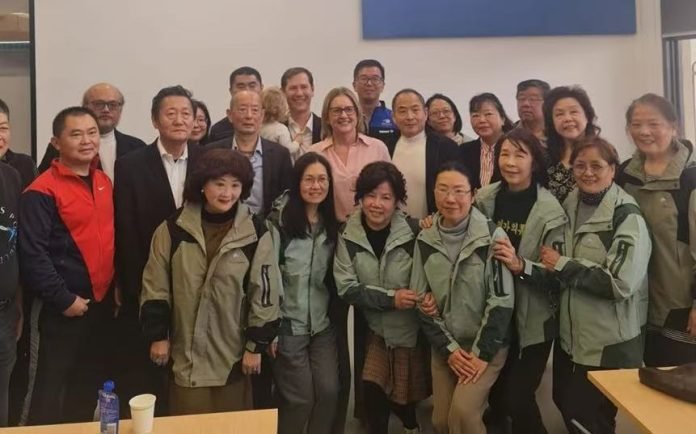
At the meeting, the Premier also listened carefully to the suggestions and opinions of Chinese friends on the Premier’s visit to China next month to implement Victoria’s new China strategy and took photos with each of the Chinese friends in attendance. The meeting lasted an hour.

 www.zhsailing.com reported

Article inline ad

尊重维多利亚州人民开启新时代

0

维多利亚新中国战略的华人社区咨询活动开启

尊重维多利亚州人民开启新时代-zhsailing

8月22日上午,维州州长Jacinto Marie Allan亲自来到云登市政府在墨尔本西区Point cook社区中心会议室举办的关于维多利亚新中国战略的华人社区咨询见面会活动现场,听取来自西区华人社团、华人企业及西区的华人代表关于维州新中国战略的意见。今年9月份维州州长即将访问中国,旨在加强两地人民和商业关系,此次州长前来主要想听取华人社区对这一重要关系的看法。见面会由云登市政府Mathew Hilakari MP议员主持,在见面会上州长Jacinto Marie Allan向来参加见面会的华人朋友发表了下月将访问中国的新中国战略的演讲。

尊重维多利亚州人民开启新时代-zhsailing

      首先州长致辞感谢云登市政府举办的这次维多利亚新中国战略的华人社区咨询见面会活动,这次活动也是做为我们中国战略交流的一部分。她也非常感谢华人社区的广大华人朋友抽出时间前来参加这次见面会。

在演讲中也提到墨尔本西区是一个人口不断增长的地区,尤其是华人人口正在不断扩大。特别是西区Point cook社区中,约14%的人口有中国血统或出生于中国。她说到墨尔本西区正在快速发展,而华人社区正是其中的重要组成部分。我们希望确保你们的声音和体验能够在我们更广泛的中国战略中得到体现。维州与中国一直保持着深厚的经济、文化和社区联系。去年12月,我们发布了《经济增长声明》,宣布维州政府将制定一份全新的中国战略,以指导我们与这一最重要合作伙伴之一的交往。

尊重维多利亚州人民开启新时代-zhsailing

她也表示云登市Mathew议员对这一地区充满热情,他致力于推动教育,让每个家庭的孩子都能接受优质的教育;也关注交通和基础设施建设,让家庭能够有更多时间团聚。

尊重维多利亚州人民开启新时代-zhsailing

今天的论坛是一次宝贵的机会,可以直接聆听大家的意见。通过Mathew市议员我们也将继续保持对话,这种交流会贯穿整个五年战略的实施周期。我非常期待今年晚些时候能前往中国,并希望听取大家对行程安排和交流内容的建议。在过去几个月的咨询过程中,我们收集了很多意见和关切。这些议题不仅对华人社区重要,对所有维州人同样至关重要。

尊重维多利亚州人民开启新时代-zhsailing

在今年五月份州长发表一篇声明中提到:“今年九月,我将率领贸易代表团访华,这将是我作为州长首次访华。我们将与商界、政界、教育界人士和各界人士会面,进一步巩固维多利亚州与中国人民之间的友谊。我为这份友谊感到自豪。此次访问是翻开新篇章的机会,维多利亚州也将引领这一进程。

我将制定维多利亚州新的中国战略,并将其带到海外,这项战略将围绕维多利亚州的五大核心优势构建:食品和纤维;先进制造业和清洁能源;医疗科技和制药;旅游和创意产业;当然,还有国际教育。

过去几年,我们听到保守派政客发表不必要的、带有分裂性的言论,这些言论对澳大利亚华裔家庭造成了伤害。在关税和全球经济不确定性的时代,我希望抓住机遇,为维多利亚州创造良好、稳定的就业机会,并推动强劲的经济增长。作为州长,我不会关闭经济机遇的大门。我张开双臂欢迎它们。“

尊重维多利亚州人民开启新时代-zhsailing

在此次华人社区见面会活动中云登市政府华人议员赵侠先生积极地组织西区华人社团及华人企业及居住在西区的华人朋友来参与此次州长与作为我们中国战略交流的一部分的咨询活动。

尊重维多利亚州人民开启新时代-zhsailing

会上州长还认真听取了华人朋友对州长下月访问中国实现维州新中国战略的建议和看法并且和参加见面会的华人朋友一一合影留念,见面会持续一个小时结束。

www.zhsailing.com 报道

Article inline ad

CXCHEM

0

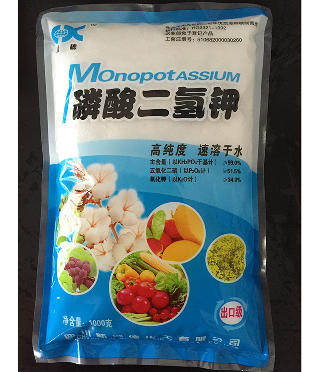
CXCHEM is a well-known enterprise in Sichuan Province, specializing in phosphorus chemical products’ research ,development , production ,sales, as well as chemical equipment’s manufacturing and sales.There are Seven subordinate enterprises that involved in production and trade:Sichuan Xinchuangxin Chemical Co., Ltd.;Sichuan Chuanxin Chemical Co., Ltd.;Sichuan Huilianghang Technology Co., Ltd.;Sichuan Hangbiao Logistics Co., Ltd ;Yunnan Shengchuang Phosphorus chemical Chemical Co., Ltd; Shifang Yuda chemical Co., Ltd;Chuangxin machinery Co., Ltd.Since annual sales is totally more than one hundred million yuan, Chuangxin Group already ranked amongst top ten export enterprises of the region.Being a professional water soluble fertilizer agro-enterprise, to promote agriculture’s efficient and scientific development is our mission. Relying on the enterprise subsidiaries inherent excellent technical strength and strong financial capability, Chuangxin optimized each production link actively, including marketing investigation, customer service, equipments’ investment, production and quality control. So Chuangxin quality could be guaranteed constantly.The main products of Chuangxin Group are as below:Fertilizer products: Monotassium Phosphate, Monoammonium Phosphate, Diammonium Phosphate, Urea phosphate, NPK;Phosphorus chemical products: Monosodium Phosphate, Disodium phosphate, Trisodium Phosphate, Tetra Potassium Pyrophosphate, Sodium Hexameta Phosphate, Sodium Tripolyphosphate. Annual output is about 30000MT of Sodium Phosphate, 40000MT of Ammonium Phosphate and 35000MT of Potassium Phosphate. All of them were produced with excellent quality phosphoric acid by hot process . Then the content of heavy metal was controlled much lower than national standards due to the advanced control technology in production. All the products are exported to more than 70 countries and regions worldwide, such as Europe, America, Africa and Southeast Asia.Chuangxin Group adheres to the development strategy of innovative industrial values are based on excellent quality and services consistently. To serve all our customers practically helps us to survive in the fierce market competition; To be responsible to society enables us to develop sustainably and successfully.

Products:

INDUSTRIAL RAW MATERIALS:

Sodium Tripoly Phosphate

Sodium Hexameta Phosphate

Trisodium Phosphate

Disodium Phosphate

Monosodium Phosphate

Tetra Potassium Pyrophosphate

Monopotassium Phosphate

Monoammonium Phosphate

Diammonium Phosphate

Tetra Sodium Pyrophosphate

WATER SOLUBLE FERTILIZRE:

PHOSPHATE

Monoammonium Phosphate

Monopotassium Phosphate

Acidic Potassium Phosphate

Tetra Potassium Pyrophosphate

Diammonium Phosphate

Urea Phosphate

Dipotassium phosphate

Tripotassium phosphate

NITRATE

Calcium Nitrate Tetrahydrate

Calciun Ammonium Nitrate

Magnesium Nitrate

SULPHATE

Magnesium sulphate

Manganese Sulphate

Znic Sulphate

NPK

OTHER FERTILIZERS

Citric Acid

Fulvic Acid

FOOD ADDITIVES:

Sodium Tripoly Phosphate

Sodium Hexameta Phosphate

Trisodium Phosphate

Disodium Phosphate

Monosodium Phosphate

Tetra Sodium Pyrophosphate

Monopotassium Phosphate

Monoammonium Phosphate

Dipotassium phosphate

Diammonium Phosphate

Tetra Potassium Pyrophosphate

Phosphoric Acid

Tripotassium phosphate

Sodium Acid Pyrophosphate


http://enxcx.cxchem.net/index.php?catid=12

Sichuan Xinchuangxin Chemical Co.,Ltd

Sichuan Chuanxin Chemical Co.,Ltd

Office add:1-1301 wenfeng mansion,wenmiao plaza,deyang,sichuan,china 618000

Factory add:No.26 gonglin village,hefeng town,shifang,sichuan,china 618400

Tel:0838-2222371/2222376/2231376/2222383/2230737/2230795/2230657

Fax:0838-2222370/2222383

Email:Info@cxchem.net

Article inline ad

Baidu Sees Its Total Revenue Hit Nearly $5b In The Second Quarter

0

By Fan Feifei | chinadaily.com.cn | Updated: 2025-08-20

Chinese tech giant Baidu Inc reported on Wednesday that its total revenue reached 32.7 billion yuan ($4.57 billion) in the second quarter of this year, with artificial intelligence-powered cloud business delivering robust revenue growth.

 Revenue from Baidu’s core businesses came up to 26.3 billion yuan during the April-June period, while the net profits from core businesses stood at 7.4 billion yuan, up 35 percent year-on-year.

 Mainly propelled by the AI initiative, the revenue of AI new businesses, including Baidu AI Cloud, exceeded 10 billion yuan for the first time, an increase of 34 year-on-year growth.

 “We remain focused on AI initiatives that offer the greatest long-term value creation potential, where our technology and innovation can make the most meaningful and lasting impact,” said Robin Li, co-founder and CEO of Baidu, in a statement.

 Apollo Go, Baidu’s autonomous ride-hailing service, accelerated global expansion while actively exploring new business models. It provided over 2.2 million fully driverless rides in the second quarter, representing a 148 percent year-over-year increase. As of August, the cumulative rides provided to the public by Apollo Go surpassed 14 million.

 The company inked strategic partnership with global mobility platform Lyft Inc earlier this month to deploy Apollo Go’s fully autonomous vehicles across key European markets, starting with Germany and the United Kingdom, and scaling to thousands of vehicles across Europe.


Article inline ad

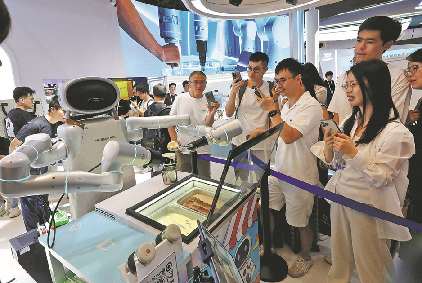
Shanghai To Enhance Linkage Between AI, Manufacturing

0

Plan outlines targets for larger high-tech application, R&D on industry models

By WANG YING in Shanghai | China Daily | Updated: 2025-08-21

Shanghai aims to accelerate the integration of artificial intelligence and manufacturing in the coming years, a move expected to boost new industrialization, strengthen new quality productive forces, and position China as a global leader in intelligent manufacturing, experts said.

 An implementation plan to accelerate the development of “AI + Manufacturing” was announced on Tuesday by the Shanghai Municipal Commission of Economy and Informatization, along with the Shanghai Municipal Development and Reform Commission and Shanghai’s municipal State-owned Assets Supervision and Administration Commission.

 The plan calls for deeper integration of AI with the manufacturing sector, boosting new industrialization and fostering new quality productive forces.

 The plan also outlines specific targets, including enabling 3,000 manufacturing enterprises to adopt smart applications, developing 10 industry benchmark models and 100 flagship intelligent products and promoting 100 demonstration application scenarios.

 Xie Haiqin, deputy general manager of COSMOPlat, outlined three new prospects in the action plan.

 “First is the opportunity to build new factories. For companies planning new facilities, the implementation plan promotes ‘AI +Manufacturing’ factories, allowing firms to integrate advanced technologies to create smarter, more efficient plants and achieve a leap in production models.

 “Second is the potential for product intelligence upgrades and end-to-end empowerment. Companies integrating AI into daily operations can develop ‘AI+’ industrial software, products, and equipment to enhance product intelligence and functionality.

 “Third is the chance for coordinated industrial ecosystem development. For our company, this means providing digital twin and intelligent agent tools to support the rollout of ’10 industry benchmark models’ and ‘100 demonstration scenarios’.”

 COSMOPlat is the industrial internet platform of Chinese home appliance company Haier Group.

 Shanghai’s plan calls for the establishment of about 10 “AI +Manufacturing” demonstration factories, development of around five integrated service providers, and cultivation of a group of competitive specialized service firms, in a bid to forge a comprehensive ecosystem for intelligent manufacturing.

 Jia Wei, associate director for academic affairs at the Shanghai Artificial Intelligence Research Institute, said the city, as a national hub for scientific research, enjoys advantages in both artificial intelligence and manufacturing.

 “The city holds a leading position in sectors such as aviation, aerospace, shipbuilding and high-end equipment. Meanwhile, its strength in AI lies in its strong research capacity, a large talent pool, and a concentration of leading institutions, which jointly create favorable conditions for scaling up innovations and setting national examples,” Jia said.

 “If the three-year plan meets its targets, including enabling 3,000 enterprises to adopt smart applications and developing 10 industry benchmarks, it is expected to foster a group of competitive service providers and give an unprecedented boost to the integration of AI and manufacturing across China,” Jia added.

 Jia’s views were echoed by Duanmu Haiying, director of the Shanghai MetaNow Metaverse Industry Promotion Center.

 Duanmu said she believes artificial intelligence is one of Shanghai’s three leading industries and has already built a solid foundation for “AI+” applications.

 “So far, nearly 100 large models have been registered, industrial internet platforms connect more than 16 million devices, and the city leads the nation in 5G base station density,” she said.

 According to Duanmu, Shanghai is home to one-third of China’s AI professionals, and by July 2024, the number of industrial manufacturing enterprises in the city had exceeded 80,000, “giving Shanghai confidence in meeting the plan’s targets by 2028”.

 However, there are still some challenges ahead in meeting the goal.

 “Developing practical, scalable products and solutions, along with a sustainable intelligent manufacturing ecosystem, will require a large pool of talent skilled in both AI and manufacturing,” she said.

 “Challenges also remain in connecting industrial equipment, standardizing data, and managing unstructured information. Another key issue is how to develop cost-effective ‘AI+’ solutions for small and medium-sized manufacturers,” Duanmu said.

 Overcoming these hurdles will be crucial for the sector’s next phase, she added.

 According to Jia, the upgrade is seen as a step toward transforming China from a major manufacturing country into a leading power in smart manufacturing.

 “By focusing on data, models and closed-loop application scenarios, the plan aims to move the sector from isolated intelligent functions to full-chain smart manufacturing. This, in turn, is expected to position China’s intelligent manufacturing as a global benchmark,” Jia added.

 wang_ying@chinadaily.com.cn

Article inline ad

Nation Playing Key Role In World Hydropower Market

0

China’s installed capacity accounts for over half of all new capacity additions worldwide last year

By ZHENG XIN | China Daily | Updated: 2025-08-21   

China is expected to remain the world’s largest hydropower market through 2030, fueled by significant domestic investment and the expansion of Chinese firms into developing nations, industry experts and executives said.

 The world’s second-largest economy has been leading the world in installed hydropower capacity, accounting for over half of all new global hydropower capacity additions last year, the International Hydropower Association said in a report released recently.

 IHA said global hydropower capacity grew by 24.6 gigawatts last year, with China contributing 14.4 GW, or nearly 60 percent of the total, cementing its position as a global leader in hydropower development.

 Pumped hydro storage accounted for more than half of China’s hydropower capacity growth, with new capacity reaching 7.75 GW, it added.

 China has over 91 GW of pumped hydro projects under construction and is expected to surpass its original target of 120 GW by 2030, according to the IHA. With an additional 136 GW of pumped hydro storage capacity planned, China is poised to accelerate its development in this sector, the association said.

 As Chinese hydropower companies significantly expand their presence in emerging and developing nations, particularly through the Belt and Road Initiative, the country is expected to play a bigger role in the global hydropower market, analysts said.

 Driven by the growing domestic hydropower sector and higher demand for energy in these developing countries, Chinese firms are increasingly involved in building, financing, and owning a large percentage of new hydropower projects in regions like Africa, Southeast Asia and Latin America, said Lin Boqiang, head of the China Institute for Studies in Energy Policy at Xiamen University.

 The Belt and Road Initiative provides a framework for Chinese investment and development projects, including hydropower, in many emerging and developing countries, he said.

 “As many developing nations are seeking reliable and affordable energy sources, hydropower is seen as a potential solution. On the other hand, Chinese State-owned banks and other financial institutions play a crucial role in financing these projects.”

 China Three Gorges Corporation, for example, has been consistently focusing on overseas hydropower projects, particularly in South Asia, Southeast Asia, Africa and Latin America.

 CTG’s overseas arm, CTG International, has expanded its operations across five continents, boasting over 19 million kilowatts of installed capacity.

 Karot Hydropower Station, for example, a priority project for energy cooperation under the China-Pakistan Economic Corridor and operated by CTG, now boasts a total installed capacity of 720 megawatts and generates an annual average of 3,200 gigawatt-hours of clean electricity, meeting the power needs of over 5 million people.

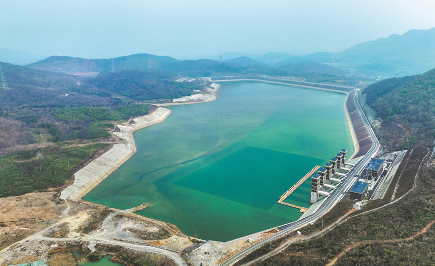
 While expanding its global footprint, China is also heavily investing in domestic hydropower, particularly pumped hydro storage, to support its energy transition.

 China announced recently the construction of a hydropower project in the lower reaches of the Yarlung Zangbo River, which will consist of five cascade hydropower stations with a total investment estimated at around 1.2 trillion yuan ($167.8 billion).

 By harnessing the abundant hydropower resources of the river, the project will also spur the development of solar and wind energy resources in surrounding areas, creating a clean energy base featuring a complementary mix of hydro, wind and solar power.

 The hydropower project will primarily deliver electricity for external consumption while also addressing local demand in the Xizang autonomous region.

 China also boasts the world’s largest clean energy corridor, which comprises six mega hydropower stations on the Yangtze River, the longest river in China, with a total installed capacity of 71.7 million kW.

 Comprising 110 generating units, it transmits electricity from the resource-rich west to energy-consuming regions in the eastern parts of China.

 The corridor achieved a record-breaking annual power generation of 295.9 billion kilowatt-hours last year, representing a year-on-year increase of 7.11 percent, equivalent to saving approximately 89.24 million metric tons of standard coal and reducing carbon dioxide emissions by over 240 million tons, according to China Yangtze Power Co Ltd, a subsidiary of CTG.

 A research report by Guosheng Securities pointed out that Xizang has approximately 200 million kW of hydropower resources, accounting for nearly 30 percent of the country’s total, ranking first in the country.

 Analysts believe that China’s continued investment in pumped hydro storage stations is becoming a crucial means of maintaining grid stability during its energy transition.

Pumped hydro storage projects use electricity during periods of low demand to pump water to an upper reservoir, which is then released to generate electricity during peak demand periods, earning them the nickname “super charging stations”.

 Zhang Zongliang, an academician at the Chinese Academy of Engineering, expects significant market growth in the sector, driven by the increasing integration of wind and solar power into the energy system.

 Pumped hydro storage is a vital component of clean energy hubs, facilitating the ongoing expansion of renewable energy sources, he said.

 According to the China Renewable Energy Engineering Institute, 23 new pumped hydro storage projects were approved last year in China, which further solidified the country’s position as the world leader in pumped hydro storage for the ninth consecutive year.

 The IHA said China is set to exceed its 2030 pumped storage hydropower target by more than 8 percent and potentially reach 130 GW by the end of the decade.

 China’s total installed hydropower capacity has reached approximately 436 GW, accounting for more than three-quarters of Asia’s total capacity, it said.

 In addition to hydropower, China continues to maintain its global leadership in renewable energy sources such as wind and solar power. By the end of 2024, China’s total installed wind and solar power capacity had exceeded 1,200 GW, achieving its national target for wind and solar power capacity originally set for 2030 ahead of schedule.

 The government’s policy of raising electricity prices during peak demand times has incentivized storage providers, including pumped hydro operators, said Lin.

 This allows them to profit from selling stored power at higher prices, further boosting the development of the sector, he said.

 China has consistently increased its investment in hydropower development in recent years.

 State Grid Corp of China’s new energy subsidiary completed a 36.5 billion yuan capital increase and share expansion project in late July.

 The substantial capital injection will be entirely allocated to the construction of pumped-hydro energy storage projects, an initiative seen as crucial for promoting high-quality development in the pumped-hydro sector, accelerating the establishment of a new type of power system, and contributing to the stable growth of the national economy, said Zhang Zhigang, executive chairman of the company.

 The company currently has 75 pumped hydro power stations in operation or under construction, with a total capacity of 94 million kW, making it the world’s largest operator of pumped hydro facilities.

 According to the China Renewable Energy Engineering Institute, since the commissioning of China’s first pumped hydro station in 1968 — almost 90 years after the world’s first such facility was established in Zurich, Switzerland — the nation’s expertise in this technology has matured through decades of practical application and technological accumulation.

 China has also come up with a comprehensive industrial system and specialized development model, covering standard formulation, planning and design, engineering construction and equipment, it said.

 zhengxin@chinadaily.com.cn

Article inline ad

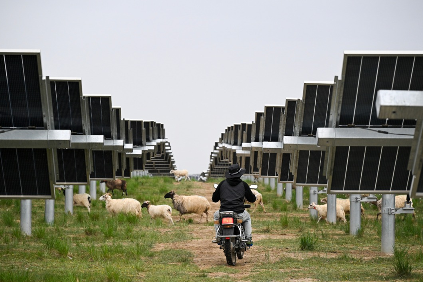
PV Industry Gets Ready For Next Phase

0

Government moves to curb ‘irrational competition’ in critical sector

By ZHENG XIN/OUYANG SHIJIA | China Daily | Updated: 2025-08-21

China is moving to further regulate competition within its solar photovoltaic (PV) industry, aiming to accelerate the photovoltaic sector’s shift to value-driven growth while fostering a healthier and more sustainable development path for the sector.

 In a sign of growing concern over cutthroat pricing and overcapacity, six government bodies, including the Ministry of Industry and Information Technology (MIIT) and the National Energy Administration (NEA), convened a joint symposium of the PV industry on Tuesday, signaling a concerted effort to address what officials termed “irrational competition” within the sector.

 The meeting emphasized the critical importance of regulating competitive practices for the high-quality development of the PV industry, urging all stakeholders to work together to promote its healthy and sustainable growth.

 It called for strengthening industrial regulation, enhancing investment management for PV projects and promoting the orderly exit of outdated production capacity through market-oriented and rule-of-law approaches.

 Liu Qiao, dean of Peking University’s Guanghua School of Management, said that the competition will inflict significant harm, driving down corporate investment returns while jeopardizing long-term planning and investment in research and development.

 “For China’s economy to maintain sustained, healthy, long-term growth, it’s crucial for businesses to remain dynamic, characterized by consistently high investment returns,” he said.

 “The competition undermines this core competitiveness, hindering profitability and ultimately jeopardizing the revitalization of China’s economy. A long-term perspective fostering mutually beneficial development that considers the interests of all stakeholders is essential for every enterprise.”

 Chen Deqiu, vice-president of the University of International Business and Economics, and a professor at the Business School of the university, said the competition is essentially a low-level, repetitive expansion, a vicious cycle fueled by insufficient innovation.

 Improving price monitoring and product pricing mechanisms, and cracking down on illegal and irregular activities such as selling below cost and false marketing are equally important, he said.

 The competition not only distorts market resource allocation but also hinders the transition of China’s industries toward high-quality development, he said.

 “It undermines the long-term competitiveness of businesses, threatens the security of our supply chains, and jeopardizes the national industrial upgrading strategy,” said Chen.

 “To break free from this predicament, we need to establish anti-monopoly enforcement as a baseline and implement targeted industrial policies to guide the market away from low-price, cost-based competition toward value-driven competition. This should be a key focus of our reforms.”

 The MIIT called for leveraging the role of industry associations to advocate for fair competition and orderly development and strengthening technological innovation leadership to maintain a sound development environment for the industry.

 The move comes amid growing concerns that aggressive pricing strategies and rapid capacity expansion are undermining the long-term health of the industry, even as it remains a global leader in solar panel production and deployment.

 The government’s intervention reflects a desire to move beyond simply chasing volume and toward a more sustainable model that prioritizes innovation, quality and fair competition.

 Industry experts believe the emphasis on industry self-regulation also suggests a desire to empower industry associations to play a more active role in setting standards and promoting best practices.

 The success of this regulatory push will depend on the willingness of companies to embrace a more collaborative and responsible approach to competition. While some may initially resist the changes, many industry players recognize the need for a more sustainable model that benefits all stakeholders in the long run, they said.

 “The focus is shifting from a race to the bottom on price to a more balanced approach that values technological advancement and responsible business practices,” said Lin Boqiang, head of the China Institute for Studies in Energy Policy at Xiamen University.

 The government’s actions are aimed at preventing a “race to the bottom” scenario, where companies sacrifice quality and innovation in order to undercut competitors on price, he said.

 “The government wants to ensure that the industry remains competitive on a global scale, and that requires a focus on long-term sustainability, not just short-term gains.”

 The China Photovoltaic Industry Association (CPIA) has forecast a potential slowdown in solar power installations in 2025, which aligns with the broader goal of curbing excessive production and promoting a more rational deployment of PV projects.

 The association anticipates newly installed photovoltaic capacity to reach 215-255 gigawatts this year, a year-on-year decline of between 8 and 22.54 percent compared to the approximately 277 GW installed last year.

 Wang Bohua, honorary chairman of the CPIA, has previously stressed the need for prioritizing marketing innovation and deepening collaboration between industry and academia to enhance the industry’s competitiveness and technological prowess.

 Contact the writers at zhengxin@chinadaily.com.cn


Article inline ad

Aveva To Invest More In China, Tap Opportunities In Industrial Upgrade

0

By FAN FEIFEI | China Daily | Updated: 2025-08-21

Industrial software developer Aveva will continue to increase investments and strengthen its research and development capacities in China, while expanding cooperation with Chinese partners to grasp the abundant opportunities arising from China’s emphasis on industrial upgrading and digital transformation.

 Sue Quense, chief commercial officer of Aveva, said China plays a pivotal role in global industrial transformation because its economy is so large and the output of the high-tech manufacturing sector grew by 8.9 percent year-on-year in 2024, which is higher than the overall industrial sector.

 Quense said China has the largest renewable energy installed capacity in the world, and accounts for about 60 percent of the global electric vehicle sales and EV battery production. It also plays a dominant role in manufacturing solar photovoltaic modules and wind turbines, meaning that China’s development in these fields is largely driving a global industrial revolution, she noted.

 The United Kingdom-based company will continue to firmly advance its strategy of “in China, for China” to bolster the intelligent, high-end and green transformation of China’s manufacturing and industrial digitalization.

 China attaches great importance to advanced technologies and focuses on research and development, and companies can rapidly deploy and scale up technologies, Quense said.

 “We get to be a part of this sort of scaling of innovation very quickly. Whereas in some other markets, things move a little slow,” she added. “China has always been an exciting and important market for us. The focus on innovation is something we’d like to participate in, and we’d like to support our customers in China in doing that because we think we can help. The innovation is really moving fast here.”

 Aveva recently launched a China intelligent innovation center, its first localized R&D center, and a vital addition to its global R&D innovation network, deepening its “in China, for China” strategy. The establishment of this center is aimed at addressing the urgent demand for digital productivity within China’s industrial development.

 Chris Lee, the company’s senior vice-president and head of Asia-Pacific at Aveva, said China, as a manufacturing-driven economy, continues to play a very critical role in leading industrial development as well as setting the standard in the industry.

 “Today, we see China is not only playing the role of the supplier, but also playing the role of setting standards. So that’s the big shift that we see in the whole industry and that’s where an industrial company like us will look forward to the partnerships that we can establish with companies here to keep our technology relevant to the customers.”

 In terms of sustainability, China plays a very unique role in renewable energy and the use of EV technology, said Lee, adding that more and more Chinese companies are leveraging overseas direct investments, establishing businesses across the board and promoting the transition toward sustainable development.

 Lee emphasized China’s significant role in industrial production and energy, and its great contribution to global economic growth, as well as industrial and social transformation.

 Bry Dillon, senior vice-president of partners and commercial strategy at Aveva, said, “What gets us so excited about the market here is the speed of transformation that’s happening in industry.”

 He said China provides a great opportunity for Aveva to directly learn from its customers and learn how it can solve their problems better for them by leveraging the decades of knowledge that it has across different disciplines in accordance with their specific needs and requirements in China.

 The company will continue to expand its partnership networks in China in a couple of ways to meet the diversified needs of customers, Dillon added. “We are looking to proactively engage with partners and with any organizations that our customers want and need us to partner with.”

 China will hold a greater appeal for foreign companies, especially those in the manufacturing sector, given the nation’s unwavering efforts to expand high-standard opening-up by removing all restrictions on foreign investment access in manufacturing and continuously optimizing its business environment, said Zhang Jianping, deputy director of the academic committee at the Chinese Academy of International Trade and Economic Cooperation.

 fanfeifei@chinadaily.com.cn


Article inline ad