Wednesday, November 25, 2026

Home Blog Page 183

How Technology Can Alleviate China’s Overcapacity

0

Writer:zhsailing.com

In recent years, certain sectors in China, especially steel, cement, photovoltaics, and traditional manufacturing, have faced overcapacity issues. Excess capacity not only leads to resource waste but also increases inventory pressure and financial costs for enterprises. Technological innovation has become a key approach to address this problem, and under the context of China–Australia technology exchange, relevant solutions are particularly noteworthy.


1. Data-Driven Market Forecasting and Smart Scheduling

Leveraging big data and AI for accurate market demand forecasting can significantly reduce the risk of overproduction.

Example Data:

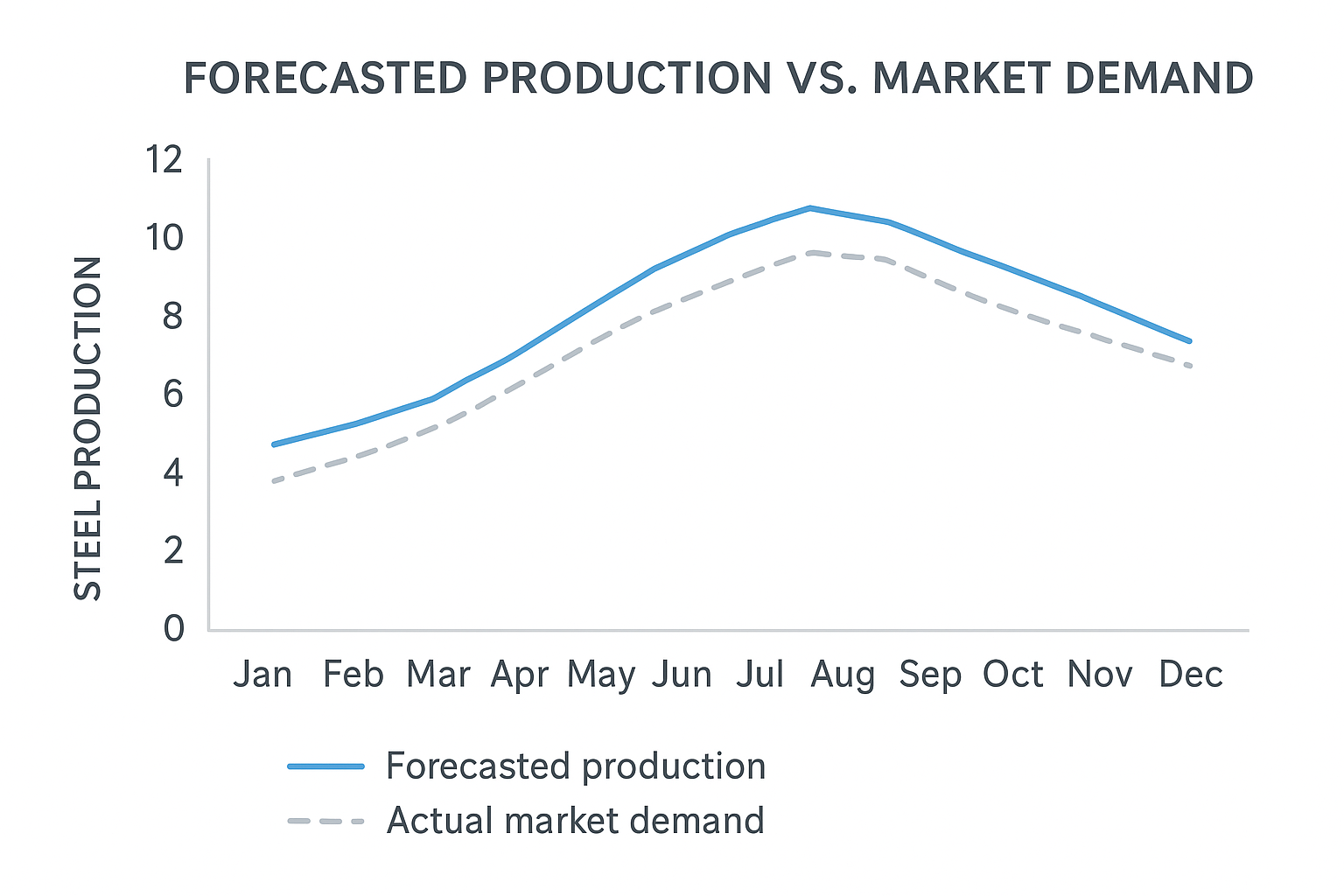
  • According to the National Bureau of Statistics, China’s steel production in 2024 is approximately 1 billion tons, while actual market demand is about 920 million tons, resulting in roughly 8% overcapacity.

  • AI models can forecast demand for the next six months, allowing enterprises to adjust production schedules and reduce inventory.

How Technology Can Alleviate China’s Overcapacity-zhsailing

2. Automation and Smart Manufacturing for Flexible Capacity

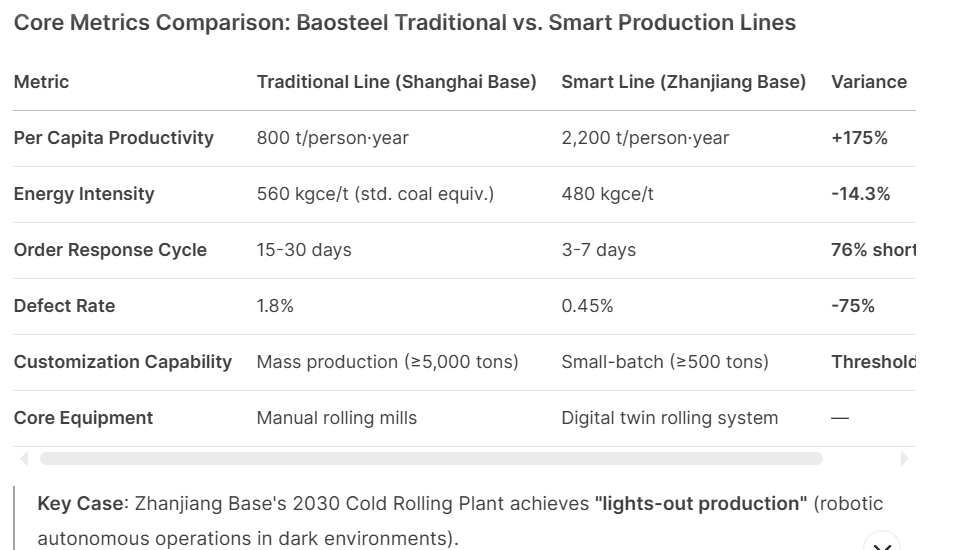
  • Industrial robots and smart factories enable production lines to quickly adjust output and product types, preventing surplus of single products.

  • In China–Australia collaboration projects, Australian advanced manufacturing technologies (e.g., flexible production lines, IoT sensors) have been introduced to some Chinese enterprises, improving production efficiency by 20–30%.

How Technology Can Alleviate China’s Overcapacity-zhsailing

3. New Materials and Green Technologies to Open New Markets

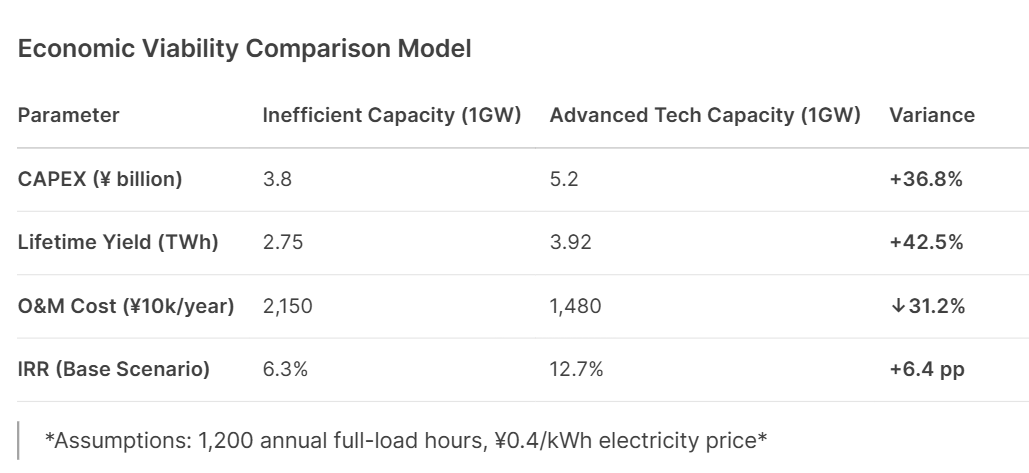
  • Renewable energy, energy storage, and hydrogen technologies allow the development of new products, reducing reliance on traditional capacities.

  • For example, photovoltaic companies developing high-efficiency solar modules can replace low-efficiency capacity and explore the Australian clean energy market.

  • Through China–Australia cooperation, Australian energy research institutions provide technical consulting and project support, helping Chinese enterprises enter international markets.

How Technology Can Alleviate China’s Overcapacity-zhsailing

4. Digitalized Supply Chains and Cross-Border Collaboration

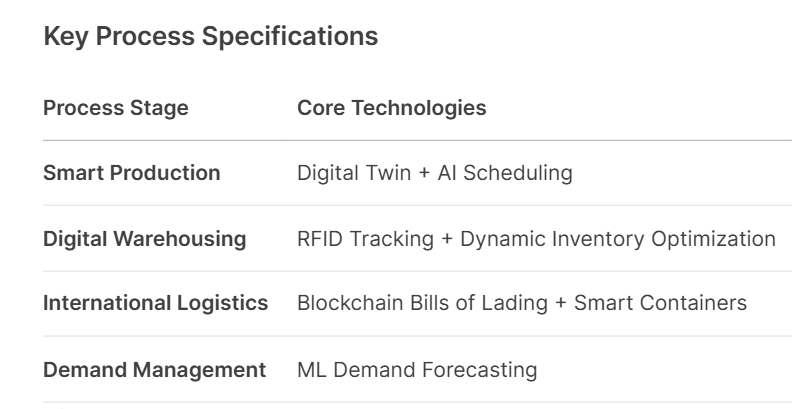
  • Using blockchain + IoT to make supply chains transparent can prevent duplicate production and logistical bottlenecks.

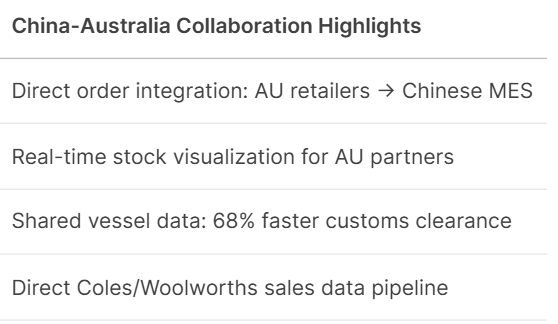
  • China–Australia technology platforms can help Chinese enterprises align capacity with Australian market demand in real time, improving production-sales matching.

How Technology Can Alleviate China’s Overcapacity-zhsailing1755311148441

Conclusion

Technological innovation provides effective pathways to address China’s overcapacity problem:

  1. Data-driven market forecasting reduces blind production

  2. Automation and smart manufacturing enhance flexibility

  3. New materials and green technologies open new markets

  4. Digitalized supply chains improve production-sales alignment

Through China–Australia technology exchange and collaboration, Chinese enterprises can more efficiently absorb excess capacity while promoting green industrial development, achieving both economic and environmental benefits.

Article inline ad

EBL System Marks Leap In Quantum Technology

0

By CHEN YE in Hangzhou | CHINA DAILY | Updated: 2025-08-16

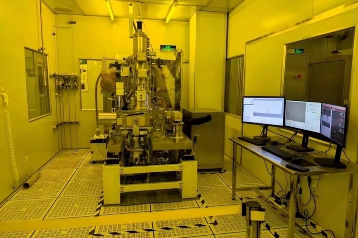
China’s first commercial electron beam lithography system (EBL), “Xi Zhi”, developed by Zhejiang University, has entered application testing, matching international precision standards and marking significant progress in domestic quantum chip research and development.

 At the university’s Yuhang institute for quantum innovation, the research team is rigorously testing the large, cabinet-like machine.

 “This isn’t an ordinary machine, but a ‘nano-brush’ capable of carving the map of an entire city on a single strand of hair!” the team leader said. Developed at a key provincial lab, the 100kV “Xi Zhi” system is now commercially available.

 The system is named after Wang Xizhi, a famous Chinese calligrapher. “The difference is that it uses an electron beam instead of a brush, carving circuits on chips,” a senior researcher said. Targeting quantum chips and advanced semiconductors, “Xi Zhi” directly “writes” circuits onto silicon wafers with 0.6 nanometer precision and 8 nanometer line width. It enables flexible design modifications without traditional photomasks. “In the early research and development phase, numerous design iterations requiring line-by-line adjustments are common. EBL offers high precision and convenience in ‘writing,’ greatly boosting efficiency in chip development,” the researcher added.

 The development of “Xi Zhi” breaks a critical barrier.

 Previously, such cutting-edge technology was restricted by international export controls, leaving top institutions like the University of Science and Technology of China and Zhejiang University’s own labs unable to procure it.

 “Xi Zhi” is now in procurement discussions with entities like Huawei HiSilicon and multiple research institutes, priced below the international average.

 The success of “Xi Zhi” stems from the “dual-new integration” model put forth by Zhejiang province, which merges technological and industrial innovation.

 The application testing of “Xi Zhi” represents a major breakthrough in the localization of core high-end semiconductor equipment. This “graver”, independently controlled by China, provides a solid foundation for accelerating the development of domestic high-end chips.

 Yuhang district of Hangzhou is prioritizing integrated reforms in education, science, and talent, with AI as a key driver, to build a demonstration zone for innovation. Future efforts will focus on creating more landmark achievements through high-level platforms, talent, enterprises, projects, and tech finance.

Article inline ad

Nation’s AI-Backed Drug Market Hits Global Stride

0

By LI JING | CHINA DAILY | Updated: 2025-08-16

China’s artificial intelligence-driven drug discovery is accelerating its role as a prominent player in global biotech. Experts and industry insiders said the sector is drawing unprecedented international attention, even though no AI-discovered drug has yet reached the market.

 According to SDIC Securities, the global AI-driven drug market has more than doubled since 2021, hitting $1.76 billion in 2024, with a compound annual growth rate of more than 30 percent.

 In China, the pace is even faster from 70 million yuan ($9.74 million) in 2019 to 410 million yuan in 2023, with a CAGR of 57.4 percent. Lead-Leo Research Institute projects nearly 70 percent annual growth from 2024 to 2028, when the market could top 5.86 billion yuan.

 China’s AI drug sector has also been striking deals with Big Pharma. This year alone, Syneron Bio inked a $3.4 billion agreement with AstraZeneca, while Helixon signed a $1.72 billion partnership with Sanofi, among others.

 “These collaborations show Chinese AI drug-discovery capabilities are gaining global recognition,” said Fang Yang, executive director for healthcare and biotech at CEC Capital. “The industry is entering a new phase of going global and proving it can deliver results.”

 The most recent deal capturing attention is China’s XtalPi Holdings Ltd’s $6 billion partnership with US biotech firm DoveTree. It ranks among the largest license-out deals in China’s biopharma history.

 Under the deal, announced on Aug 5, XtalPi will deploy its AI platforms to run preclinical research on a mix of large — and small-molecule programs, including several targets picked by DoveTree. The US partner will hold exclusive worldwide rights to develop and commercialize the resulting drug candidates.

 XtalPi has already pocketed $51 million upfront, far exceeding its total 2024 revenue of 266 million yuan and is in line for another $49 million in near-term payments and as much as $5.89 billion in milestones and royalties.

 “AI can optimize molecular structures and streamline the earliest stages of drug research and development,” said Chu Lei, a researcher at the Healthcare Executive Institute. “XtalPi’s role is to deliver ready-to-test clinical candidates straight to DoveTree’s labs.”

 Still, the potential of AI in biotech is promising. Traditional drug development can take more than a decade and cost more than $1 billion. AI, particularly deep-learning models, can speed up target screening, molecular design, and even trial planning. Consultancy McKinsey experts estimated that AI could shrink the time from lab to patient to a tenth of current timelines.

 Ren Feng, co-CEO of Insilico Medicine, described the global AI-driven biotech sector as moving into its 2.0 phase. The first wave dating back three decades relied on physics-based computer-aided design. The arrival of generative AI around 2013 marked a turning point, allowing algorithms to create novel molecules from scratch by drawing on vast troves of historical data.

 The next stage, Ren said, will see AI embedded in every step of drug R&D, from target discovery to clinical management — ushering in what he calls the “3.0 era” of fully integrated, intelligent drug development.

 Policy tailwinds are reinforcing the trend. In November 2024, the National Health Commission and two other ministries issued a blueprint for AI in healthcare, naming intelligent drug discovery and development and AI-assisted clinical trials as priority areas.

 Local governments are following suit. On Aug 12, Zhejiang province laid out a plan to build a national AI medical application base by 2027, aimed at fostering homegrown innovators, attracting composite talent, and building a complete AI healthcare industry chain.

 Despite the surge in dealmaking and investment, industry experts stress most AI-driven agreements today, including XtalPi’s, focus on preclinical work. “No AI-discovered drug has yet been approved anywhere in the world, meaning the commercial loop remains incomplete,” Chu noted.

Article inline ad

Trade In Services To Help Drive Further Growth

0

Sector has emerged as a new magnet for foreign investment, insiders say

By ZHONG NAN | CHINA DAILY | Updated: 2025-08-16

The sustained expansion of China’s trade in services will remain a key driver of the country’s broader economic growth and has emerged as a new magnet for foreign investment, said market observers and business executives.

 Such resilience is underpinned by expanding domestic demand and deeper integration with global markets, they said.

 In contrast to goods trade, trade in services refers to the sale and delivery of intangible services such as transportation, tourism, entertainment and professional services, according to the Organization for Economic Cooperation and Development.

 China’s trade in services maintained steady growth in the first half, with total imports and exports reaching 3.89 trillion yuan ($542.45 billion), up 8 percent year-on-year, Ministry of Commerce data showed in early August.

 The continued growth of China’s trade in services reflects structural shifts toward higher-value sectors, underpinned by the country’s policy support, consumption and industrial upgrading, said Wang Bo, deputy director of the ministry’s department of trade in services and commercial services.

 Zhao Jinping, vice-president of the China Association of Trade in Services, said that amid uncertainty created by protectionism and unilateralism, strengthening service trade can be essential for China to cushion against possible headwinds and support its economic growth.

 Poh-Yian Koh, president of FedEx China, said that China’s ongoing efforts to widen opening-up will make trade in services a key driver of fresh competitive advantages in the years ahead.

 She added that the company completed the upgrade of its international export services in Shenzhen, Guangdong province, last month.

 Wei Xiang, a researcher specializing in trade in services at the Chinese Academy of Social Sciences in Beijing, said that with China’s opening-up measures creating new opportunities in modern services, multinational corporations are increasing investment in areas such as entertainment, tourism and bonded maintenance.

 Bonded maintenance refers to activity in which enterprises, operating outside special Customs zones, import goods or transportation tools from overseas that have damaged components, functional failures or quality defects. These items are inspected and repaired and then reexported.

 Building on this momentum, policymakers at both the national and local levels have rolled out targeted measures to accelerate the growth of bonded maintenance, aiming to shorten turnaround times, lower operational costs and strengthen the sector’s role as a competitive driver within China’s expanding trade in services.

 Ma Tianshi, general manager of Siemens Shenzhen Magnetic Resonance, said, “The new policies enabled us to build a bonded maintenance center in Shenzhen last year, helping us better serve customers worldwide.”

 Previously, magnetic resonance imaging components and much high-end medical equipment could not be repaired in China, requiring shipment to Germany, with cycles exceeding a month, Ma said.

 New bonded maintenance policies now cut turnaround times to five to seven days, enabling companies to meet customer needs far more efficiently, he added.

 The German company’s bonded maintenance center completed repairs on nearly 2,000 MRI coils and filed bonded maintenance import and export declarations for nearly 6,000 MRI component items in the first half of the year, with a total trade value of about $9.3 million.

 In a further vote of confidence in the Chinese market, Sony Interactive Entertainment (Shanghai) showcased eight Chinese-developed games — including yet-to-be-released titles — at the 22nd China Digital Entertainment Expo and Conference, or ChinaJoy, held earlier this month in Shanghai.

 Tatsuo Eguchi, chairman and president of SIE Shanghai, said that driven by the rapid growth of China’s gaming industry and the distinctive appeal of its content, Sony is committed to expanding research and development and talent recruitment in China to drive long-term growth.

Article inline ad

Human-machine collaboration fueling high-quality growth

0

China Daily | Updated: 2025-08-15 09:48

BEIJING — With two taps on a screen, soft music plays, and a robotic arm begins to massage. “So comfortable,” a guest smiles. “I could lie here all day.”

This is no ordinary machine. Developed by Chinese firm Aubo (Beijing) Robotics Technology Co Ltd, it’s a collaborative robot, or cobot, capable of sensing, adapting and responding to its surroundings. It represents a new frontier in automation: embodied intelligence, involving machines that don’t just think, but also feel.

“Welcome to the new face of Chinese manufacturing — not man versus machine, but man with machine,” said Tian Hua, senior manager of Aubo’s marketing department.

Once confined to factory floors, cobots are now spilling into healthcare and hospitality. As China transitions toward high-quality, innovation-driven growth, companies like Aubo are positioning cobots not as job-takers, but as partners — unlocking new potential for small businesses, skilled workers and daily life.

For decades, automation was equated with job loss. But the rise of cobots suggests a new narrative — collaboration over competition.

As Tian points to a robot barista, a latte is expertly topped with a flourish of foam art. “It takes 90 seconds to recreate a master’s pour,” said Tian. “We’ve deployed these in libraries and Instagrammable spots in Beijing, and they’ve become instant crowd favorites.”

It can consistently produce 300 cups of high-quality latte art coffee a day, the equivalent of a human barista working nonstop for 15 hours and still struggling to maintain the same level of quality.

“These robots aren’t here to replace people,” Tian added. “They support human staff by handling repetitive, physically demanding tasks, freeing them up for more valuable, human-focused work.”

For many small and medium-sized enterprises in China, the pressure is mounting. As labor shortages grow — particularly with Gen Z steering clear of repetitive factory jobs — automation has shifted from a luxury to a lifeline.

Aubo’s cobots, built for easy setup and priced within reach, are helping to bridge that gap. Their best-selling palletizing model, for example, can stack up to nine boxes per minute, doing the work of three to four human laborers.

Sales to small manufacturers now make up more than 40 percent of the company’s domestic orders, and the share is growing. “We’ve sold over 35,000 units cumulatively, making us the first in China to surpass 30,000 units, ranking first nationwide and second globally, just behind Universal Robots,” Song Zhongkang, director of the Aubo Research Institute, told Xinhua News Agency in an interview. “At our peak, annual profits doubled. Growth is now holding steady at around 30-50 percent.”

But it’s not just about efficiency. Aubo’s cobots are helping SMEs — the backbone of China’s economy, responsible for over 60 percent of GDP and 80 percent of urban employment — compete on a global stage, from textile workshops in East China’s Zhejiang province to electronics factories in South China’s Guangdong province.

“Beyond SMEs, we also supply top-quality products to leading players in the automotive, 3C and home appliance sectors,” Tian added.

In a country still reliant on a vast blue-collar workforce, Aubo is also investing in education.

“Some tasks like welding, industrial painting or marathon surgeries, are too harsh for humans,” Tian said. “Cobots don’t replace workers; they enhance safety and dignity.”

To bridge the skills gap, Aubo has rolled out over 1,000 training programs in Chinese technical colleges. Thousands of workers, many with no prior coding or automation experience, have transformed into skilled cobot operators, steering machines with a joystick and gaining new purpose in an evolving economy.

Aubo’s cobots — lightweight, human-safe and easy to master — are transforming China’s workforce. “No degree needed. Some of our top operators were once packers or cleaners,” Tian said.

“I thought automation would take my job,” said Liu Wei, a former assembly worker and now a certified technician. “Instead, it gave me a better one with more pay and more control.”

By relieving workers from repetitive, high-intensity, and hazardous tasks like welding or heavy lifting, Aubo is cultivating a more adaptable, resilient and future-ready labor force.

Aubo’s cobots embody a bold vision — technological independence. Unlike many Chinese firms with foreign ties, Aubo is wholly homegrown, with 100 percent local R&D and manufacturing, driven by a team that includes 10 PhDs and 60 master’s degree holders among its 500 global employees. Founder Wei Hongxing, once an aerospace researcher, started the company in a modest 10-person lab under China’s “863 Program” for cutting-edge technology.

Now boasting over 270 patents, Aubo invests nearly 100 million yuan ($13.8 million) annually in research — about one-sixth of its revenue. “Not a single foreign chip powers our core systems,” Wei said. “True security and scalability come from building your own tools.”

Aubo Robotics’ unwavering commitment to full-stack independence — from chips to algorithms — has positioned it as a formidable rival to global robotics giants like ABB, Kuka and Universal Robots. This year, Aubo has achieved a 95 percent domestic production rate, a landmark in China’s quest for technological self-reliance.

Yet its ambitions extend far beyond home.

With over 2,000 partners across 50 countries, the company exports to North America, Europe, Southeast Asia, South America and advanced markets like Japan, where robotics adoption is among the highest globally. Its products, certified by CE and NRTL standards, command higher profit margins abroad.

Overseas markets are experiencing increasing demand. By 2030, the global cobot market is projected to reach $11.6 billion, with Chinese firms, led by Aubo, targeting a 30 percent share, according to a Grand View Research report.

“Overseas clients value our adaptability,” Tian said. “Our cobots can switch formations and handle diverse orders, deploying in under two hours without needing a full technical crew.”

Looking forward, Aubo is investing in cloud-connected cobots, AI-powered adaptive controls and remote surgical robotics. As machines grow smarter, the scope of human collaboration is expanding.

Whether on a factory floor or in a cafe, Aubo’s vision endures. Humans no longer toil like machines because machines now work alongside them.


Article inline ad

Robot Manufacturers Shift Focus To Greater Intelligence

0

Conference showcases nation’s rapid advances in breakthrough tech

China Daily | Updated: 2025-08-15

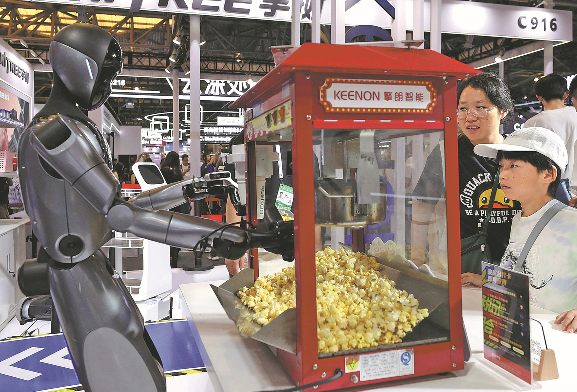
BEIJING — Robots that are not only able to run, dance and play soccer, but also sort parts on an assembly line, try their luck at a game of mahjong and even tickle the ivory were once fantasies confined to science fiction novels, but are now a reality that was unfolded at the recent World Robot Conference in Beijing.

The WRC 2025 showcased rapidly advancing embodied intelligence technology, with humanoid robots as the highlight, demonstrating significant progress achieved globally and particularly in China, while the event also served to illuminate a wide range of future commercial application scenarios.

Themed “Making Robots Smarter, Making Embodied Agents More Intelligent,” the five-day conference that finished earlier this week featured forums, exhibitions, competitions and networking events — with over 200 robotics companies from around the world showcasing their latest innovations.

Exhibitors at the WRC showed off their latest humanoid robots along with other varieties such as wheeled robots, collaborative robots and quadruped or hexapod robotic dogs, as well as newly developed embodied intelligence models.

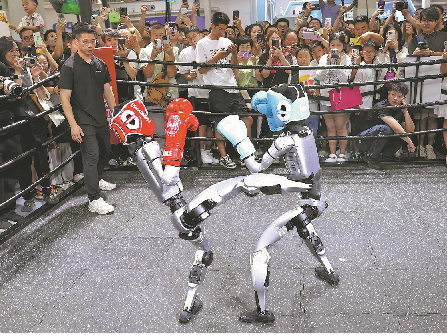
Unitree Robotics, based in East China’s Hangzhou, Zhejiang province, brought its latest humanoid R1 and quadrupedal A2 automatons to the conference. A crowd favorite was a boxing match by two of the latest upgraded GI robots. The mechanical boxers punched and defended like real human fighters, while getting up to continue even after being knocked down.

Marketing manager at Unitree, Liu Jinda, said the sparring demonstration wasn’t just for show. “During boxing, multiple joints need to coordinate with extremely fast reaction times. When subjected to external forces, the robots must quickly regain stability and balance. This practice provides valuable experience for developers to improve robotic performance.”

In the exhibition area of Galaxea AI, visitors only needed to say “Please make the bed,” and the company’s new R1 Lite robot responded by completing the task in a randomly disordered bedroom all by itself.

Galaxea AI chief scientist Zhao Hang said the key to embodied intelligence robots lies in their “brain” — represented by the sophistication of their algorithms. R1 Lite’s Vision-Language-Action model uses a single end-to-end architecture to achieve precise control from visual perception to its sophisticated joints, enabling it to perform highly complex, long-sequence tasks like making a bed.

At a conference forum, Ni Guangnan, an academician at the Chinese Academy of Engineering, emphasized that combining robots with AI requires elevating robotic intelligence through “brain-eye-action “coordinated systems — enabling automatons to see, understand and act in the real world.

Unitree CEO Wang Xingxing said that while current robotic hardware is generally sufficient, their AI capabilities still fall far short of industry needs, and developing sufficient embodied intelligence models will be the most critical task for the industry in the future.

China’s innovations in embodied intelligence are powered by the robust development of its robotics industry. According to data released at the conference, the country’s robotics industry generated nearly 240 billion yuan ($33.4 billion) in revenue in 2024.

In the first half, industrial robot production in China reached 370,000 units while service robot output hit 8.82 million units, representing year-on-year growth of 35.6 percent and 25.5 percent, respectively. China has also been the world’s largest industrial robot application market for 12 consecutive years, with its share of the world’s newly installed robots increasing from 51 percent in 2023 to 54 percent in 2024.

Rev Lebaredian, vice-president of Omniverse and simulation technology at Nvidia, said in a speech at a forum that China boasts the world’s largest pool of top-tier graduates in computer science and AI, while holding a distinct advantage in physical-world tech development. This enables the country to produce robots that are both cost-effective and highly efficient — a capability unmatched by other countries.

Moreover, China possesses not only manufacturing prowess, but also the unique ability to deploy robots at scale and iterate rapidly. By deploying robots in real-world applications and collecting operational data, Chinese developers can continuously optimize robotic systems. This closed-loop improvement capability has become an essential requirement for robotics advancement, and China already enjoys this competitive edge, Lebaredian said.

The embodied intelligence sector, notably, is attracting not only AI innovators, but also traditional industrial robotics companies. At WRC 2025, established players like Siasun and Dobot, once focused on robotic arms and autonomous forklifts, deployed humanoid robots at their most visible displays. With decades of industrial application experience, they are injecting new momentum into the application of embodied intelligence technologies.

At the opening ceremony of the conference, the Chinese Institute of Electronics unveiled 10 most promising application scenarios for humanoid robots, such as automotive manufacturing, petrochemical production inspection, emergency response operations, home services and agricultural tasks.

The Beijing Humanoid Robot Innovation Center showcased the multi-agent and multitasking collaborative capabilities of embodied intelligent robots in industrial scenarios. Some of the robots are responsible for power inspection and others sort parts on assembly lines, while robotic arms in the inspection area automatically identify defective light bulbs.

Several that showcased products at the expo have achieved initial commercialization in the medical and eldercare sectors. For example, a six-legged robotic dog developed by Shanghai Jiao Tong University will provide assistance to vision impaired individuals such as serving as seeing-eye dogs at the upcoming 15th National Games in November, jointly hosted by Guangdong province, Macao and Hong Kong.

Longwood Valley MedTech, meanwhile, introduced its latest orthopedic surgical robot — which enables more precise, minimally invasive and safer surgical procedures, reducing surgery time from around three hours to just 30 minutes. It also minimizes blood loss, accelerates patient recovery, lowers the risk of postoperative complications and cuts medical costs.

Beijing AI-robotics Technology exhibited various wearable exoskeleton robots that can not only help paraplegic individuals stand and walk, but also assist the elderly with stair climbing.

Shuai Mei, the company’s founder, said these robots detect both the user’s walking intent and terrain conditions, and then use AI algorithms to adapt to the ground and gait in real time, thereby providing appropriate assistance. The company has sold around 1,000 units of its medical and eldercare products, which are now in use in over 300 hospitals nationwide.

Wan Gang, president of the China Association for Science and Technology, said at the conference that China is intensifying its efforts in this cutting-edge and future-oriented industry to spur new consumption, cultivate emerging industries, create jobs, promote economic growth and improve people’s lives.

Article inline ad

Nation Driving Global Green Investments

0

Over past decade, China’s share of world’s clean energy capital has surged from one-quarter to one-third, underpinned by solar, wind, hydropower, nuclear, batteries and electric vehicles

By Zheng Xin | China Daily | Updated: 2025-08-14 

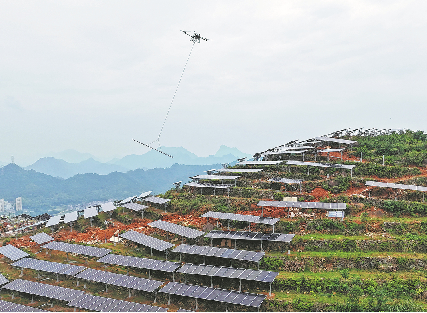
A drone is used to hoist photovoltaic construction equipment in Yueqing, Zhejiang province, on May 25. CAI KUANYUAN/FOR CHINA DAILY

China is cementing its position as the dominant force in global clean energy investment, driving down equipment costs and playing a pivotal role in the worldwide shift toward sustainable energy, according to a report released recently by the International Energy Agency.

Over the past decade, China’s share of global clean energy investment has surged from one-quarter to one-third, underpinned by strategic investments in a wide range of technologies, including solar, wind, hydropower, nuclear, batteries and electric vehicles.

Its vast supply chain system has also significantly contributed to a rapid decline in global clean energy equipment prices, the report noted.

China is continuously enhancing its leadership in emerging low-carbon technologies, driving energy industry development through investments in renewable energy and improved energy efficiency, it said.

“When the IEA published the first-ever edition of its World Energy Investment report nearly 10 years ago, it showed energy investment in China in 2015 just edging ahead of that of the United States,” said IEA Executive Director Fatih Birol.

“Today, China is by far the largest energy investor globally, spending twice as much on energy as the European Union — and almost as much as the EU and United States combined.”

The increasing investment has further driven down costs of Chinese solar modules and wind turbines, which have fallen by 60 percent and 50 percent, respectively, since 2022, it said.

Industry experts believe technological advancements by Chinese wind and solar companies are crucial for driving down the levelized cost of electricity derived from green power, making it a more competitive and attractive energy source globally than fossil fuels.

“The relentless innovation from China’s renewable energy sector is a game-changer, translating directly into lower costs and greater deployment potential, accelerating the global energy transition away from fossil fuels,” said Lin Boqiang, head of the China Institute for Studies in Energy Policy at Xiamen University.

Chinese renewable energy companies’ relentless focus on research and development has been widening the gap between the nation and other regions.

Chinese solar technology giant Longi Green Energy Technology Co Ltd announced two new world records for solar cell efficiency in June, including a 33 percent conversion efficiency for a commercial-size (260.9 square centimeters) silicon-perovskite tandem solar cell and 26 percent efficiency for a crystalline silicon module, further cementing China’s leading position in the global photovoltaic industry.

Li Zhenguo, founder of Longi, said the dual breakthroughs are the best proof of the company’s continuous investment in R&D and its commitment to pushing the limits of efficiency.

Longi vowed to continue to drive PV to become the main source of energy globally.

Cecilia Tam, head of the energy investment unit of IEA, emphasized China’s profound impact, highlighting the nation as the dominant force in global energy investment, with global trends largely dependent on the development of the Chinese market.

China, a major investor and producer of clean energy that manufactures a large volume of clean energy equipment, has been driving the application of new energy technologies in the clean energy sector at a fast pace and large scale, playing a leading role globally, said Tam.

China’s successful experience in terms of policy can also accelerate the adoption of clean energy in other countries and help them build their domestic energy markets, she added.

China has recently begun construction of a hydropower project in the lower reaches of the Yarlung Zangbo River, consisting of five cascade hydropower stations with a total investment estimated at around 1.2 trillion yuan ($167.8 billion).

China Yajiang Group Co has been tasked with the smooth construction and operation of the hydropower project, which will primarily deliver electricity for external consumption while also addressing local demand in the Xizang autonomous region.

The project will leverage the Yarlung Zangbo River’s extensive hydropower resources, simultaneously boosting solar and wind energy development in nearby areas to create a complementary hydro, wind and solar power base, marking a significant step in China’s green energy transition.

This national push for green development is also demonstrated at the local level.

Anji county, nestled in a mountainous northern region of Zhejiang province, serves as a prime example of how China’s “lucid waters and lush mountains are invaluable assets” philosophy is being translated into tangible results.

Anji has made significant strides in energy transition, with its renewable energy consumption now accounting for 30.2 percent of its total primary energy consumption, and 85 percent of its new energy consumption coming from renewables.

During the 14th Five-Year Plan (2021-25) period, Anji added 173 megawatts of PV capacity, marking a 35.3 percent growth rate.

A 115-MW agricultural-PV hybrid power project in Anji, for instance, is expected to generate 150 million kilowatt-hours annually, saving 52,500 metric tons of standard coal and reducing 104,500 tons of carbon dioxide emissions — equivalent to planting over 300,000 trees.

The benefits of this green transformation extend to ordinary citizens.

In Yucun village of Anji, the birthplace of the “Lucid waters and lush mountains are invaluable assets” theory, also known as the Two Mountains theory, residents are now fully covered by a PV carbon inclusive program, allowing them to convert rooftop solar power generation into carbon emission reductions.

These credits are then collectively traded on the carbon market, providing an average of over 400 yuan in green income per household.

This initiative, among others, underscores how the “green waters and green mountains” concept is fostering a sustainable lifestyle and shared prosperity at the grassroots level.

These comprehensive, multifaceted efforts, from local pilot programs to national policy directives, are emblematic of China’s broader commitment to its green transition, a commitment that is increasingly shaping the global clean energy landscape.

Zhang Huiyong, executive director of international cooperation at Energy Foundation China, highlighted China’s status as the world’s largest clean technology investor, making energy investment particularly crucial for the country.

China’s extensive experience in expanding renewable energy investment, advancing its ambitious goals of achieving carbon peak before 2030 and carbon neutrality before 2060, and navigating complex challenges, all contribute to driving global energy transformation, said Zhang.

The report also indicated a diversification in China’s energy investment capital structure, with private capital increasingly flowing into the energy sector, while overseas investments are also becoming more focused on clean energy projects.

The agency predicts that global clean energy annual investment will reach $2.5 trillion by 2035, with China retaining the largest share.

As Chinese enterprises strengthen their share of overseas energy investments, particularly in the clean energy sector, “Chinese power” continues to become more prominent, it said.

Data released in the report reveals that Chinese EV and battery manufacturers have announced approximately $80 billion in investment plans over the past five years, establishing manufacturing plants in multiple countries worldwide.

Concurrently, China is also a significant investor in the global PV supply chain, with its PV industry presence becoming a crucial force in advancing global clean energy development.

Globally, energy sector investment is projected to increase by about 2 percent this year, reaching $3.3 trillion, it said, with one-third of this expected to flow into oil, natural gas and coal fossil fuels, with the remainder directed toward clean and low-carbon energy sources.

zhengxin@chinadaily.com.cn

Article inline ad

Space Info Sector Hitting New Orbits

0

Tech aims to process massive volumes of satellite, aerial data high above Earth

By CHENG YU | China Daily | Updated: 2025-08-15

China is accelerating investment in the new and fast-growing space information — or “space computing” — sector which it sees as a future trillion-yuan driver of economic growth, with leading firms joining forces to develop the futuristic technology, which aims to process massive volumes of satellite and aerial data while in orbit.

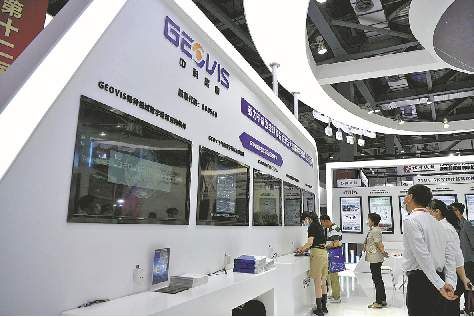
Geovis Technology Co Ltd, a Chinese geospatial services provider, recently signed a framework agreement with supercomputer manufacturer Sugon to jointly build what they call an “open and inclusive space computing network”. The planned network will connect users’ devices to satellites, space-based infrastructure and ground platforms, forming a space-ground integrated intelligent computing architecture.

Shao Zongyou, president of Geovis, said in a recent interview with China Daily that computing in space could soon move from concept to reality. “Once the space computing network is completed, it will enhance global internet access capacity and stability, supporting applications such as remote work, telemedicine, online education, emergency communications and rural digital development,” Shao said.

The ambition is driven in part by the rapid expansion of satellite constellations and the rising sophistication of payloads.

“With tens of thousands of satellites planned in the coming years and ever-higher payload and resolution demands, massive data — and thus computing needs — will surge,” Shao said.

“Transmission methods like microwaves are slower than many home networks, while laser communication is too weather-dependent. The ideal is to compute in space, then send only the processed results back to earth,” he added.

The space information sector, which spans navigation, weather forecasting, urban planning and resource exploration, has been developing rapidly under policy support, alongside China’s push into the low-altitude economy and commercial spaceflight.

Over the past year, China has introduced a group of policies to stimulate low-altitude industries. These include regulations on unmanned aircraft flight management that took effect in January and a roadmap released in March for upgrading general aviation equipment through 2030.

Wu Yirong, academic dean and researcher at the Aerospace Information Research Institute of the Chinese Academy of Sciences, said: “China’s aerospace information industry is integrating into all aspects of social production and everyday life at an unprecedented speed and depth. It is creating enormous economic value and social benefits.”

For Geovis, the deal with Sugon marks a strategic shift from its established strengths in digital earth, AI, big data and cloud integration into the more technically demanding realm of space-based computation.

The two companies plan to develop high-performance, low-power high-reliability core components, build a space computing network, and integrate with China’s national computing platforms. They will also explore industry standards and work to coordinate an ecosystem of partners.

Shao said the aim is to upgrade the current one-way satellite “data collection service” into a two-way “computing-as-a-service” model. This would allow for in-orbit intelligent processing linked to deep ground-based applications, potentially opening new commercial opportunities in areas such as real-time Earth observation, emergency disaster response and global broadband coverage.

Yet the road ahead is challenging. Shao said that deploying the same computing power in space could cost up to 1,000 times more than on the ground. Moreover, “space weather”, including high-energy particles, radiation and temperature extremes, can damage electronic components and degrade performance over time.

Despite these difficulties, Geovis sees space computing as a strategic imperative with long-term returns. “Three to five years may yield no returns,” Shao said. “But for national capability and the future of space industries, this must be done.”

Deng Maicun, former secretary-general of the Chinese Academy of Sciences, said China’s role in the field has transformed. “In recent years, China’s aerospace information sector has made a remarkable leap from a follower to a front-runner, and in some areas even a leader, becoming a new engine for the development of the digital economy.”

chengyu@chinadaily.com.cn

Article inline ad

Sensetime Expanding AI Innovation In Asia-Pacific

0

Company leveraging China’s ingenuity for growth

By Ma Si | China Daily | Updated: 2025-08-13

Chinese artificial intelligence pioneer SenseTime is accelerating its global expansion strategy, in line with China’s rising prominence in worldwide AI innovation.

 Jeff Shi, president of SenseTime Asia Pacific, said: “Capitalizing on new opportunities centered around Chinese innovation, SenseTime consistently relies on local talent, collaborates with local partners and builds local ecosystems.”

 According to Shi, the company now operates in 11 markets across the Asia-Pacific region, achieving a remarkable fivefold increase in long-term customers over the past three years. Shi highlighted the strong growth potential as visual AI converges with generative AI.

 Traditionally known for its computer vision technology widely used in areas such as autonomous driving and smart city management, SenseTime has quickly leveraged its more than ten years of AI research and development to build its own AI large language model.

 In July, a distinguished 39-member tech delegation, led by Hong Seok-Hyun, chairman and CEO of JoongAng Group, the largest media group in South Korea, visited Sense-Time’s Shanghai headquarters. The delegation’s visit focused on understanding SenseTime’s advancements in visual AI and multimodal large language models, exploring significant potential for bilateral technological cooperation.

 Hong emphasized the inseparable link between AI and China. “You cannot discuss AI without mentioning China, and you cannot discuss China without mentioning AI.”

 According to Hong, SenseTime has not only excelled in computer vision, but also demonstrated profound technical accumulation and significant progress in the field of multimodal large models, which is deeply impressive.

 Hong said he hopes this visit will provide a deeper understanding of China’s latest developments and experience in related fields, enhance mutual understanding and cooperation, jointly address the challenges brought by global technological transformation and achieve mutual benefits.

 Having entered the South Korean market in 2019, SenseTime said it has established long-term, stable partnerships with over 50 local clients across diverse sectors including smart buildings, finance, the internet and robotics.

 Apart from South Korea, Southeast Asian countries are also showing surging interest in China’s AI innovation. Shi from SenseTime said: “We have received dozens of overseas delegations to our headquarters this year. For Southeast Asian countries, a fast way to develop AI innovation is to come to Shanghai every week.”

 Previously, Asian countries tended to flock to the United States to see the most pioneering innovation, but now China has also become a must-see destination for them, Shi added.

 According to Shi, the Shanghai government has created a business-friendly environment, focusing on high-tech industries like semiconductors and AI, providing talent and facilitating business growth.

 “A lot of things SenseTime has done are just monumental. The 10-year AI journey has provided us with insights into the challenges and rewards of AI adoption. We look forward to sharing these learnings with more enterprise customers, both at home and abroad,” Shi said.

 Demonstrating its cutting-edge capabilities, SenseTime unveiled its upgraded “SenseNova V6.5” multimodal foundation model system earlier this month. Key advancements include strong reasoning. The company claimed that its text-image multimodal chain-of-thought reasoning matches top models like Gemini 2.5 Pro from Alphabet, the parent company of Google, and Claude Sonnet 4 from US AI startup Anthropic, which is backed by Amazon.

 SenseNova V6.5 also features high efficiency, with its optimized multimodal architecture offering over three times cost-performance improvement over its predecessor, the company said.

 Complementing this, SenseTime’s core product, Raccoon AI, underwent a significant upgrade, evolving into a comprehensive co-pilot. Moving beyond traditional AI assistance, Raccoon AI proactively handles core tasks through precise questioning and user confirmation, enabling collaborative workflows akin to human colleagues.

 Raccoon AI is rapidly penetrating industries with tailored versions. The education edition of Raccoon can intelligently analyze student performance, course effectiveness and learning patterns. It has been deployed in more than 500 institutions across over 10 scenarios serving more than 250,000 teachers and students. It boosts learning efficiency by 15-30 percent and increases classroom participation by 2.1 times, SenseTime added.

 In July, a State Council executive meeting approved a guideline on implementing the “AI Plus” initiative in China, calling for vigorously advancing the large-scale commercial application of AI and boosting its accelerated popularization and deep integration across various fields of economic and social development.


Article inline ad

X Square Robot Expands Development Of General-Purpose Robots

0

By Fan Feifei | chinadaily.com.cn | Updated: 2025-08-13

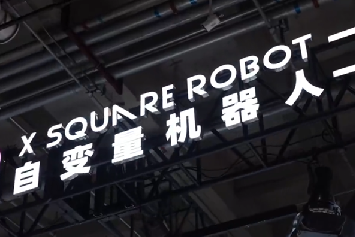
Chinese robotics startup X Square Robot is accelerating its development of general-purpose robots capable of performing precise and complex tasks, with applications spanning diverse fields including households, services and industries.

 The company specializes in developing next-generation robots based on embodied intelligence foundation model and robotic systems powered by real-world data, said Wang Qian, founder and CEO of X Square Robot, adding that he is bullish on the prospects of AI in the robotics industry.

 Wang said the company is dedicated to integrating both hardware and software technologies while promoting the innovation and development of embodied intelligence.

 Established in December 2023, X Square Robot’s self-developed visual-language-action (VLA) model possesses strong multimodal capabilities, and enables robots to achieve autonomous perception, decision-making and high-precision operation.

 The company’s core team comprises experts from world-renowned AI and robotics laboratories, as well as scholars from top universities at home and abroad.

 During the 2025 World Robot Conference, it launched a self-developed wheeled humanoid robot called Quanta X2 designed for diverse scenarios such as service, household and industrial applications.

Article inline ad