Tuesday, November 24, 2026

Home Blog Page 36

Apple Lowers App Store Commission Rates In China Following Regulatory Discussions

0

By Ma Si | chinadaily.com.cn | Updated: 2026-03-13 

Apple is set to reduce its commission rates for the App Store in China following discussion with Chinese regulators, according to information obtained from the Apple Developer official website on Friday.

 The standard commission rate for paid apps and in-app purchases on iPhone and iPad will be lowered from the current 30 percent to 25 percent.

 For developers enrolled in the App Store Small Business Program, and those participating in the Mini Apps Partner Program, the commission rate for eligible in-app purchases and auto-renewable subscriptions after the first year will be reduced from 15 percent to 12 percent.

 The new commission structure will take effect on March 15, 2026, and does not require developers to sign new terms, according to the announcement.

 Apple stated that it is committed to maintaining fair and transparent terms for all developers and has always offered competitive App Store fees for developers distributing apps in China, which are not higher than the overall rates in other markets.


 “We expect exports and growth drivers in the new economy to remain structural highlights this year. Price levels are likely to improve, and nominal growth is expected to see a moderate recovery,” he said.

 jiangxueqing@chinadaily.com.cn


Article inline ad

ZH Sailing: China Industry & Investment Insights – Special Overseas Edition

0

Date: March 2026
Audience: International investors, industry analysts, and corporate strategists


Table of Contents

  1. China AI

    • AI Process Integration Drives Smart Economy

    • Smart Home & AI-Enabled Smart Locks

  2. China Economy

    • Manufacturing Upgrade & Industrial Innovation

    • Sports Industry as a “Sunrise Sector”

  3. China Technology & Industry

    • Wind Power: Chinese Manufacturers Dominate Global Market

    • Nuclear Energy Expansion in Yangtze River Delta

    • Low-Altitude Economy: UAVs & eVTOL Growth

  4. China Health & TCM

    • Technology-Driven Transformation of Traditional Chinese Medicine


1️⃣ China AI

AI Process Integration Drives Smart Economy

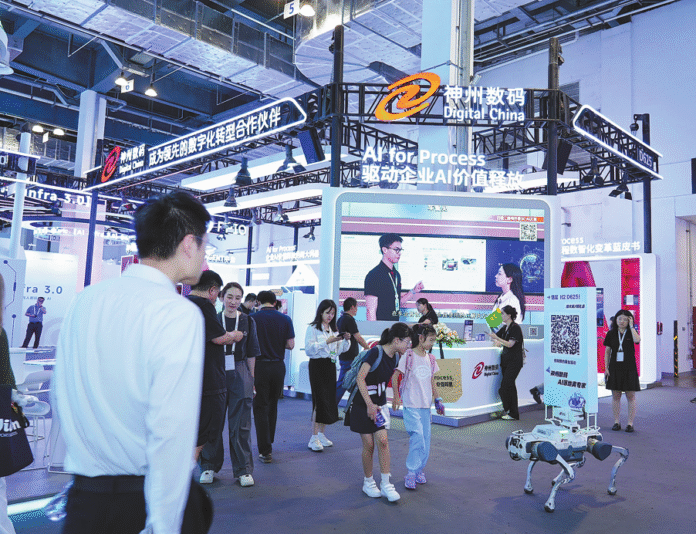
Summary: China is embedding AI into enterprise workflows to create a smart economy, transforming AI from a supportive tool to a core driver of operations, productivity, and industrial modernization. Digital China’s “AI for Process” initiative exemplifies systematic adoption, improving efficiency and end-to-end collaboration in industries such as automotive (Voyah, Dongfeng).

Investment Insight:

  • Companies integrating AI deeply into production and operations may gain competitive advantage and scalability.

  • Opportunities exist across manufacturing, logistics, and smart services sectors.

English Note:
China’s AI sector, projected to exceed $1.45 trillion by 2030, is central to its industrial modernization strategy. International investors can look at AI-enabled companies as gateways into China’s next-generation smart economy.


Smart Home & AI-Enabled Smart Locks

Summary: Zhejiang Desman Intelligent Technology is developing AI smart locks with perception, decision-making, and service capabilities, designed to transform home appliances into intelligent life partners. International markets including Europe, North America, and East Asia are prioritized.

Investment Insight:

  • AI smart home products provide high-margin consumer opportunities and potential global export growth.

  • Strong cross-border differentiation: privacy in Europe, security in North America, cost-effectiveness in Southeast Asia.

English Note:
AI smart home appliances are positioned as a fast-growing segment in global consumer tech, combining hardware, AI, and IoT for long-term scalability.


2️⃣ China Economy

Manufacturing Upgrade & Industrial Innovation

Summary: Chinese manufacturers like Hisense are leveraging AI and automation to drive intelligent manufacturing, exemplified by Mini LED display chip innovations and fully automated production lines. Efficiency, product development speed, and energy savings are rapidly improving.

Investment Insight:

  • High-tech industrial upgrades indicate moving up the global value chain, creating opportunities in high-end electronics, automation, and smart manufacturing.

  • AI application in production lines can boost margins and reduce operational costs.

English Note:
China is transitioning from “Made in China” to Intelligent Manufacturing in China, providing strategic investment opportunities in advanced industrial technology.


Sports Industry as a “Sunrise Sector”

Summary: Sports consumption in China is growing rapidly, with retail sales up 15.7% YoY in 2025. Private firms play a crucial role in innovation and commercialization, while initiatives like “Sports + Psychology” support adolescent health.

Investment Insight:

  • Expanding domestic consumption and wellness trends create growth opportunities in sporting goods, fitness tech, and integrated health services.

  • Private enterprise involvement accelerates commercialization of research and product innovation.

English Note:
China’s sports economy is a high-growth sector, aligned with government policy on domestic demand and innovation-driven industry development.


3️⃣ China Technology & Industry

Wind Power: Chinese Manufacturers Dominate Global Market

Summary: Chinese wind turbine manufacturers occupy the top six positions globally, benefiting from the largest annual addition of over 100 GW wind capacity.

Investment Insight:

  • Opportunities in renewable energy supply chains, turbine technology, and global energy transition investments.

  • Stable long-term policy and infrastructure support enhance investment predictability.

English Note:
China is leading the global wind power transition, providing strategic exposure for energy-focused investors.


Nuclear Energy Expansion in Yangtze River Delta

Summary: The first Hualong One unit at Zhejiang San’ao Nuclear Power Project is grid-connected, supporting the region’s AI and intelligent economy with stable, low-carbon electricity.

Investment Insight:

  • Nuclear energy expansion underpins industrial clusters requiring high computing power, such as AI enterprises.

  • Potential growth in clean energy infrastructure and associated technology services.

English Note:
China’s nuclear capacity expansion contributes to energy security and sustainable economic growth, attractive for ESG-focused investors.


Low-Altitude Economy: UAVs & eVTOL Growth

Summary: China is prioritizing the low-altitude economy, including drones and electric vertical takeoff and landing aircraft (eVTOL). Market size expected to exceed $145 billion by 2030, with strong demand for logistics, urban mobility, and green aviation solutions.

Investment Insight:

  • Indigenous innovation in batteries, LiDAR, flight control systems presents venture and industrial investment opportunities.

  • Regulatory support and green aviation focus reduce risk for early-stage technology adopters.

English Note:
China’s low-altitude economy represents a high-potential emerging sector, bridging smart mobility, logistics, and AI-driven aviation solutions.


4️⃣ China Health & TCM

Technology-Driven Transformation of Traditional Chinese Medicine

Summary: AI and digital tools are being used to modernize TCM research, production, and distribution, improving standardization, efficiency, and global reach. Exports reached $5.09 billion in 2025, and TCM is practiced in 196 countries.

Investment Insight:

  • AI-enabled R&D, blockchain tracking, and smart manufacturing enhance global competitiveness.

  • Growing international acceptance offers export and partnership opportunities.

English Note:
TCM modernization illustrates China’s blend of tradition and tech, positioning the sector for global expansion and high-value innovation.


✅Key Takeaways for International Investors

  1. Technology & AI: Deep process integration drives operational efficiency and industrial modernization, offering investment opportunities across AI, smart manufacturing, and IoT-enabled industries.

  2. Energy & Sustainability: Wind, nuclear, and low-altitude green aviation projects indicate long-term growth and ESG alignment.

  3. Consumer & Lifestyle: Smart home, sports, and TCM sectors highlight high-growth domestic demand and global market potential.

  4. Cross-Sector Synergy: AI, green tech, and industrial upgrades are interconnected, enabling multi-sector investment strategies.

Article inline ad

China Deepens AI Integration to Drive Smart Economy and Industrial Transformation

0

Compiled from a report by China Daily on March 13.

China is accelerating the integration of artificial intelligence into core industrial and enterprise processes, aiming to transform its smart economy and unlock new growth potential for domestic and international investors.

According to recent discussions following the 2026 Government Work Report, the country is pushing to “create new forms of smart economy” by embedding AI technologies deeper into business operations, production, and service workflows.

AI as a Core Driver, Not Just a Tool

Experts emphasize that AI’s real value lies beyond simple automation. Jiang Qiping, deputy director of the academic committee of the China Management Science Society (CMSS), notes that deep integration into industrial scenarios is essential to unlock efficiency, productivity, and innovation potential.

Muhammad Hamayun, a scholar from Multimedia University in Malaysia, highlighted that China’s AI-driven transformation is entering a new strategic phase, where AI restructures enterprise processes rather than acting as a supplementary tool. This system-level adoption is seen as a key enabler for sustainable economic modernization.

Industrial Scale and Growth Projections

China’s core AI sector surpassed 1.2 trillion yuan ($174.5 billion) by the end of 2025. Analysts predict that AI-related industries could exceed 10 trillion yuan by 2030, illustrating the scale of opportunity for investors and multinational corporations seeking exposure to emerging technologies and smart industry applications.

Guo Wei, chairman of digital transformation services provider Digital China, stressed that AI adoption should be process-centric, not function-centric. By reorganizing data assets and integrating intelligent agents across operational workflows, companies can achieve significant leaps in productivity, decision-making, and competitiveness.

Li Gang, VP and CTO of Digital China, noted: “AI is evolving from an auxiliary tool to a core driver of enterprise operations, enabling firms to transition from traditional information systems to intelligence-centered development paradigms.”

Case Study: Automotive Sector

Digital China’s process-driven AI framework has already delivered measurable impact for Voyah, a high-end smart electric vehicle brand under Dongfeng Motor Corp. By embedding large AI models across production, sales, and service operations, Voyah has optimized knowledge governance, automated workflows, and enhanced end-to-end operational efficiency.

Xu Yuance, head of digital large model applications at Voyah, said: “This approach generates far more value than simple efficiency gains. It enables high-quality, integrated delivery and facilitates effective collaboration across teams and processes.”

Investment Implications

For international investors and industry observers, the key takeaways are:

  1. Process-Oriented AI as an Investment Lever: Companies deeply integrating AI into workflows are better positioned to scale efficiently and achieve sustainable competitive advantage.

  2. Smart Economy Expansion: China’s policy push toward AI-driven industries creates new opportunities for technology providers, industrial partners, and cross-border investment.

  3. Sectoral Spillovers: Deep AI integration is not limited to technology companies — sectors like automotive, manufacturing, logistics, and smart services are prime targets for AI-driven growth.

In short, China’s “AI for Process” and “AI Plus” initiatives signal a structural shift in enterprise operations, transforming AI from an optional tool into a core driver of productivity, innovation, and industrial modernization. For global investors, this offers a strategic entry point into the next phase of China’s smart economy.

Article inline ad

China’s Traditional Medicine Sector Embarks on Tech-Driven Transformation

0

Compiled from a report by China Daily on March 13.

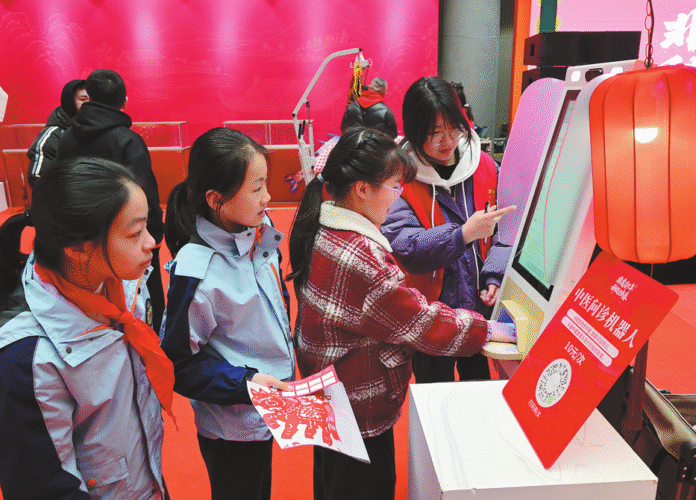
China’s traditional Chinese medicine (TCM) industry is undergoing a significant transformation, integrating artificial intelligence, smart manufacturing, and digital supply chain solutions to modernize operations and expand its global footprint.

Policy support for the sector was reinforced during China’s annual two sessions, where government leaders pledged to “advance the inheritance and innovation of TCM and strengthen integration with Western medicine”, while also promoting TCM on the international stage. These initiatives align with the 15th Five-Year Plan (2026–2030) and a newly released industrial policy targeting high-quality development of the sector.

AI and Smart Manufacturing Lead the Upgrade

Artificial intelligence is emerging as a central driver of modernization. Experts highlight that AI can streamline processes across the entire TCM value chain, from herbal sourcing and R&D to quality control and manufacturing. This addresses longstanding challenges such as product standardization and quality consistency — key concerns for investors and global partners.

For example:

  • Shijiazhuang Yiling Pharmaceutical reports that AI-driven R&D projects have shortened drug development cycles by approximately 30%, accelerating time-to-market for new therapies.

  • Kangmei Pharmaceutical combines AI with blockchain tracking to monitor herbal medicines from cultivation to retail, increasing supply chain transparency and regulatory compliance.

According to Xiao Wei, deputy to the 14th National People’s Congress and an academician at the Chinese Academy of Engineering, “AI models can connect data across the entire industrial chain, enabling higher efficiency, quality, and scalability in TCM production.”

Global Expansion and Market Opportunities

China is also positioning TCM as a strategic export industry. By mid-2025, TCM practices had reached 196 countries, with acupuncture recognized in 113 WHO member states. TCM exports totaled $5.09 billion in 2025, reflecting growing international demand for natural and preventive healthcare products.

Industry leaders see the next five years as critical for transforming the sector into a global, technology-driven industry. Guo Lanping, head of the Institute of Chinese Materia Medica, noted that policy measures and AI adoption are expected to accelerate modernization, quality improvement, and international competitiveness.

Investment and Innovation Outlook

The Chinese government’s plan calls for:

  • 60 high-standard herbal raw-material bases

  • 5 national innovation centers

  • 20 smart manufacturing plants by 2030

For international investors and industrial observers, this signals a substantial opportunity to participate in a sector that is simultaneously:

  1. Technologically upgrading, leveraging AI, automation, and blockchain

  2. Scaling globally, with rising export potential and cultural influence

  3. Supported by clear government policy, ensuring industry stability and structured growth

By transforming centuries-old practices into a tech-enabled, globally integrated industry, China’s TCM sector offers a unique convergence of cultural heritage, innovation, and international market opportunity — positioning it as a compelling area for long-term strategic investment.

Article inline ad

China Connects First “Hualong One” Nuclear Unit in Yangtze River Delta to Grid

0

Compiled from a report by China Daily on March 13.

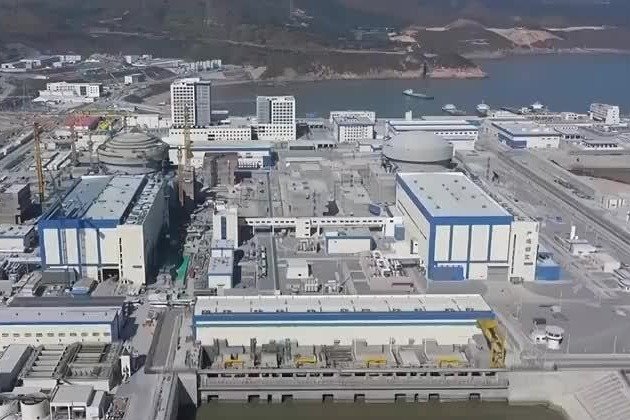
China has marked a major milestone in its nuclear energy expansion with the successful grid connection of Unit 1 of the Zhejiang San’ao Nuclear Power Project, the first “Hualong One” reactor in the Yangtze River Delta region.

Operated by China General Nuclear Power Group (CGN) — the nation’s largest nuclear operator by installed capacity — the unit has now entered the load-test trial phase, including power-upward and performance testing. Full commercial operation is expected in the first half of 2026.

Meeting Energy Demand Amid the Intelligent Economy

The timing of this achievement is notable. The Yangtze River Delta has emerged as a hub for intelligent economy development, hosting top-tier artificial intelligence companies such as DeepSeek. Rapid growth in computing power demand has driven a surge in regional electricity consumption, highlighting the need for reliable, large-scale energy infrastructure.

Once completed, the San’ao project will generate over 54 billion kilowatt-hours annually — enough to meet the electricity needs of more than 5 million people. In addition, the plant is projected to replace over 16 million tons of standard coal per year, cutting approximately 50 million tons of CO₂ emissions, underscoring China’s commitment to low-carbon energy transition.

Advancing Hualong One Technology

The “Hualong One” reactor represents China’s third-generation nuclear technology, combining advanced safety, efficiency, and standardization features. Its deployment in the Yangtze River Delta demonstrates not only the country’s growing domestic energy capabilities but also its ability to scale nuclear technology to meet both economic and environmental goals.

CGN emphasized that the successful connection to the grid is a critical step toward full commercial operation, which will further enhance regional energy security and support sustained industrial and technological growth.

Strategic Implications

For international observers, the San’ao project illustrates a dual strategy:

  1. Energy security for high-demand regions fueled by AI, advanced manufacturing, and digital services.

  2. Green energy leadership, contributing directly to China’s carbon reduction targets and global sustainability ambitions.

The Yangtze River Delta unit signals China’s accelerating pace in nuclear power deployment, positioning the country as a global leader in clean energy infrastructure while addressing the energy needs of one of its most dynamic economic regions.

Article inline ad

China’s Sports Industry Emerges as a Sunrise Sector with High Growth Potential

0

Compiled from a report by China Daily on March 13.

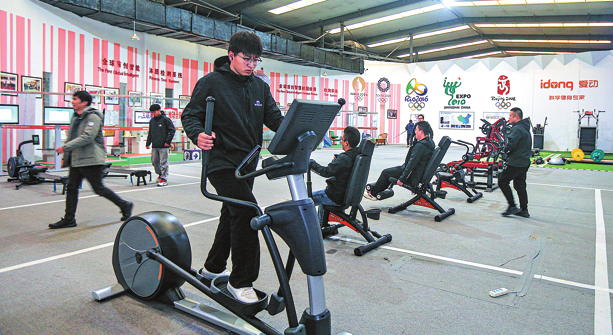
China’s sports sector is emerging as a “sunrise industry” with significant potential to drive domestic consumption, stimulate private enterprise innovation, and enhance public health — particularly among adolescents.

Industry leaders highlight that strategic support for the sector could make it a cornerstone of economic growth during the 15th Five-Year Plan (2026–2030).

Domestic Demand and Market Growth

According to the National Bureau of Statistics, retail sales of sports and entertainment products from enterprises above a designated size rose 15.7% year-on-year in 2025.

While this double-digit growth reflects a robust appetite for fitness gear and lifestyle upgrades, industry insiders note that the sector still faces bottlenecks:

  • Insufficient effective supply of high-quality products

  • Limited consumption scenarios for diversified populations

Ding Shizhong, vice-chairman of the All-China Federation of Industry and Commerce and chairman of Anta Group, emphasized that policy optimization and cross-sector integration of “Sports+” initiatives will be key to unlocking the market’s full potential.

Private Enterprises as Innovation Drivers

Private firms dominate China’s high-tech and commercial landscape. During the 14th Five-Year Plan (2021–2025), private companies accounted for over 92% of all enterprises and 92% of national high-tech firms.

Ding stressed that this private sector strength makes these firms critical:

  • Investors in research and development

  • Drivers of commercializing technological breakthroughs

  • Facilitators of innovation ecosystems across the sports industry

To further empower private companies, Ding recommended:

  • Establishing structured participation in national-level scientific projects

  • Incentivizing innovation contributions

  • Creating consortia that connect research institutions and enterprises

Such measures aim to accelerate high-end product development and position Chinese companies as global competitors in sports technology and services.

Health and Social Impact

Beyond economics, the sports industry plays a strategic role in adolescent well-being and public health. Ding highlighted persistent challenges:

  • Marginalization of physical education in schools

  • Unequal access to quality sports facilities between urban and rural areas

He advocates a “Sports + Psychology” approach, emphasizing:

  • Guaranteed PE curriculum time

  • High-quality, practical sports activities

  • Bridging resource gaps across regions

The goal is to leverage physical activity to reduce anxiety, build resilience, and cultivate lifelong healthy habits among young people.

Looking Ahead

China’s sports industry, with its combination of rapid market growth, private sector innovation, and public health impact, is poised to become a key pillar of domestic consumption and strategic development.

For companies like Anta, this means continued focus on innovation, core business expansion, and cross-sector collaboration, ensuring that China’s sports sector not only meets domestic demand but also becomes increasingly competitive on the global stage.

Article inline ad

China’s Manufacturing Leap: AI and Innovation Drive Industrial Upgrading

0

Compiled from a report by China Daily on March 13.

China’s manufacturing sector is entering a new era of transformation, moving from traditional “Made in China” production toward intelligent, high-tech manufacturing that competes at the global frontier.

Industry leaders say innovation is now the defining factor for success, as companies push to develop core technologies, accelerate industrial upgrading, and climb the global value chain.

From Follower to Global Leader

Jia Shaoqian, chairman of major home appliances manufacturer Hisense Group and deputy to China’s National People’s Congress, highlighted the historic evolution of China’s manufacturing.

“Since I joined Hisense in 1997, I’ve witnessed the sector transition from trailing global peers to competing alongside them — and in some areas, even taking the lead,” Jia said during China’s annual two sessions.

He emphasized that everything ultimately comes down to innovation.

Breakthroughs in Display Technology

Hisense’s recent technological achievements exemplify this shift. Last year, the company launched the world’s first RGB light and color co-control Mini LED chip, capable of directly driving red, green, and blue Mini LED backlights.

The innovation resolved key technical bottlenecks, including efficiency, lifespan, color deviation, and color purity — challenges that had limited high-end LED performance for years.

Global competitors quickly followed: Sony, Toshiba, and Samsung announced plans to launch similar RGB Mini/Micro LED TVs in 2026, illustrating how Chinese firms are now shaping global innovation trends.

AI-Powered Smart Manufacturing

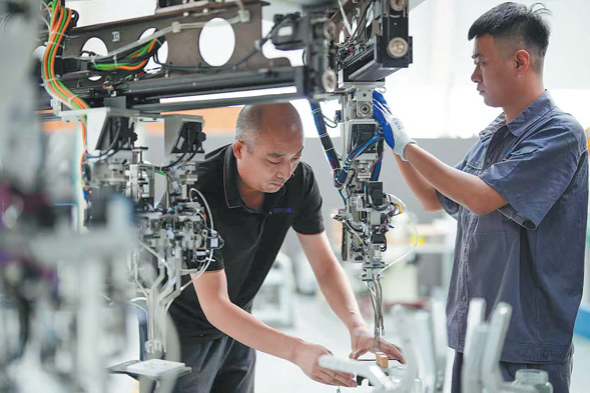
The transformation is not limited to R&D breakthroughs. At Hisense’s lighthouse factory for central air conditioners in Qingdao, AI and automation are reshaping complex production processes.

A striking example is the pipe-insertion process, previously performed manually, requiring workers to insert dozens of copper tubes into hundreds of aluminum foil holes with extreme precision.

Today, automated machines equipped with 17 high-precision cameras, 11 robots, and AI algorithms functioning as a real-time “brain” can complete the task efficiently.

The results are impressive:

  • 37% faster product development

  • 49% higher production efficiency

  • 35% reduction in manufacturing costs

  • 13% lower energy consumption per unit

“This is the boundless potential of moving from traditional manufacturing to intelligent manufacturing in China,” Jia said.

AI as a Strategic Opportunity

Leaders stress that the integration of AI represents a once-in-a-lifetime opportunity for China’s manufacturing sector. From automated production lines to predictive maintenance and supply chain optimization, AI is accelerating both efficiency and quality, enabling firms to compete on the global stage.

Looking ahead, companies like Hisense aim to strengthen their role as drivers of technological innovation, ensuring that research results are quickly commercialized and translated into marketable products.

Implications for Global Industry

China’s manufacturing leap demonstrates a broader trend: the convergence of scale, technology, and intelligent processes is allowing domestic companies to move up the value chain while shaping global technology standards.

For international observers, this signals that China is no longer simply a manufacturing base for low-cost goods. Instead, it is emerging as a global hub for high-tech, AI-powered industrial innovation, particularly in sectors such as consumer electronics, appliances, and smart home technologies.

Article inline ad

China Signals: Low-Altitude Economy Set to Become a Trillion-Yuan Industry

0

Compiled from a report by China Daily on March 13.

China is moving to accelerate the development of its low-altitude economy, positioning the emerging sector as a new driver of industrial growth and technological innovation during the 15th Five-Year Plan (2026–2030).

Policy recommendations for the upcoming plan call for faster development of industrial clusters in strategic emerging industries, including new energy, advanced materials, aerospace and the low-altitude economy, while strengthening national security capacity in emerging domains such as low-altitude airspace.

The move signals an upgrade in policy priority. During the 14th Five-Year Plan (2021–2025) period, the low-altitude economy was categorized as a strategic emerging industry. Under the new planning framework, it is expected to become a standalone priority sector requiring coordinated, large-scale development.

Industry analysts estimate the market could exceed 1 trillion yuan ($145 billion) during the next five-year period.

A New Frontier of “Advanced Productive Forces”

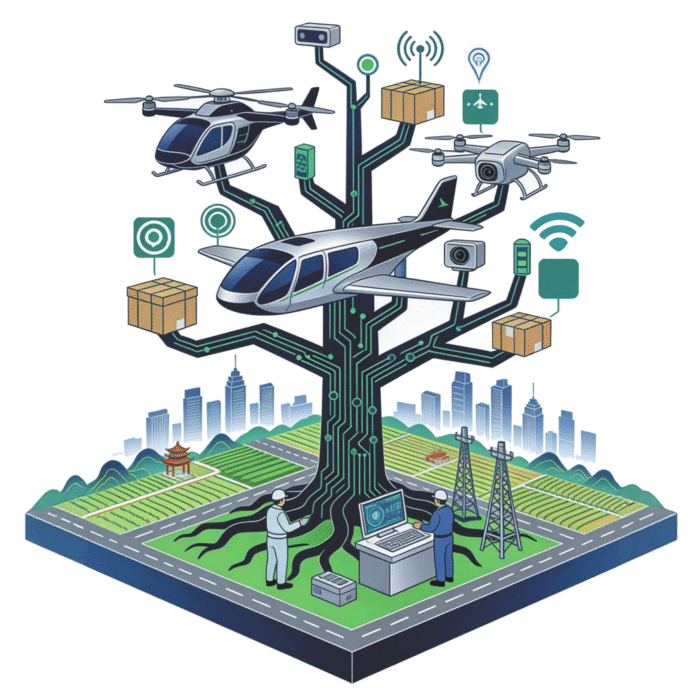
The low-altitude economy — which includes unmanned aerial vehicles (UAVs), electric vertical takeoff and landing aircraft (eVTOLs), aerial logistics and urban air mobility — integrates technologies across aerospace engineering, artificial intelligence, smart manufacturing and new energy systems.

Because of its long industrial chain and wide range of application scenarios, the sector is expected to generate significant spillover effects across multiple industries.

Applications could range from logistics and urban transport to emergency rescue, environmental monitoring and public security, creating new infrastructure and service ecosystems around low-altitude airspace.

Technology Breakthroughs Will Be Critical

China’s ability to compete globally in the low-altitude economy will depend heavily on continued technological progress in several core areas.

Key technologies include:

  • advanced flight control systems

  • high-energy-density batteries

  • reliable electric propulsion

  • precision sensors such as LiDAR

Strengthening indigenous innovation in these areas will be crucial for improving the resilience of the industry’s supply chain and reducing dependence on external technologies.

Researchers have also highlighted the need to address bottlenecks in flight control chips, advanced battery materials and high-precision sensing systems, which remain critical components for next-generation aircraft.

Green Aviation Becomes a Strategic Focus

Green development is expected to become a central theme for the sector during the next planning period.

As countries around the world accelerate their energy transition and carbon reduction efforts, green aviation technologies are emerging as a new arena of global competition.

Electric propulsion is currently the leading technological pathway, but limitations in battery energy density mean alternative solutions may also be required.

China is therefore exploring multiple technology routes, including higher-density battery systems as well as hydrogen-based aviation technologies.

Potential commercial applications include urban air mobility, emergency rescue missions and low-altitude logistics networks.

Building an Integrated Industrial Ecosystem

Beyond technological breakthroughs, experts emphasize that the success of the low-altitude economy will depend on building a complete industrial ecosystem.

This includes developing both physical infrastructure and digital management systems, such as:

  • vertiports and energy supply stations

  • communication, navigation and surveillance networks

  • satellite and ground-based airspace monitoring systems

The integration of mobile communications, aviation-specific air-to-ground communication systems, satellite networks and China’s BeiDou navigation system could provide essential support for large-scale low-altitude operations.

Testing bases and demonstration zones are also expected to play a key role in accelerating the commercialization of new technologies and shortening the cycle between research and real-world applications.

Regulatory Framework Will Shape Industry Growth

A clear and comprehensive regulatory framework will be essential to ensure the safe and sustainable development of the sector.

Authorities are expected to refine and implement regulations governing unmanned aircraft flight management, while establishing standards covering:

  • integrated operations of manned and unmanned aircraft

  • infrastructure connectivity

  • data security and airspace management

A coordinated standards system aligned with international practices could help provide institutional support for the long-term expansion of China’s low-altitude aviation industry.

A New Arena of Global Aviation Competition

As the global aviation industry undergoes rapid transformation, the low-altitude economy is emerging as one of the most promising frontiers.

For China, developing this sector could not only unlock new economic growth opportunities but also strengthen its technological capabilities in aerospace and advanced manufacturing.

If policy support, technological innovation and infrastructure development progress in parallel, the country’s low-altitude economy could become one of the next major pillars of China’s strategic emerging industries.

Article inline ad

AI Smart Locks Are Evolving From Security Devices to Intelligent Home Assistants

0

Compiled from a report by China Daily on March 13.

Artificial intelligence is rapidly transforming everyday consumer hardware in China, and smart locks may be among the next devices to become fully AI-enabled.

Industry experts say the next generation of AI-powered smart locks will move beyond basic security functions to develop perception, decision-making and interactive capabilities, becoming an important part of the smart home ecosystem.

“Future AI smart locks will be able to understand users and real-life situations,” said Zhu Zhiling, founder and CEO of Zhejiang-based smart lock manufacturer Desman Intelligent Technology.

Rather than forcing users to adapt to technology, Zhu said the goal is to make artificial intelligence adapt to people’s daily habits.

From Security Hardware to Intelligent Devices

Traditional smart locks typically focus on functions such as fingerprint recognition, facial authentication and remote unlocking.

However, the integration of AI technologies is expected to fundamentally change how these devices operate.

According to Desman, future AI-enabled locks will be able to:

  • recognize family members, visitors and strangers

  • detect packages delivered to the doorstep

  • remind users to retrieve deliveries at appropriate times

  • interact naturally through intelligent services

The devices will also feature contactless package pickup functions and more advanced human-machine interaction capabilities.

These developments signal a shift in the role of smart locks — from simple security hardware to intelligent entry points within the smart home network.

Addressing Real-Life Use Cases

AI integration is also helping manufacturers address practical challenges faced by different groups of users.

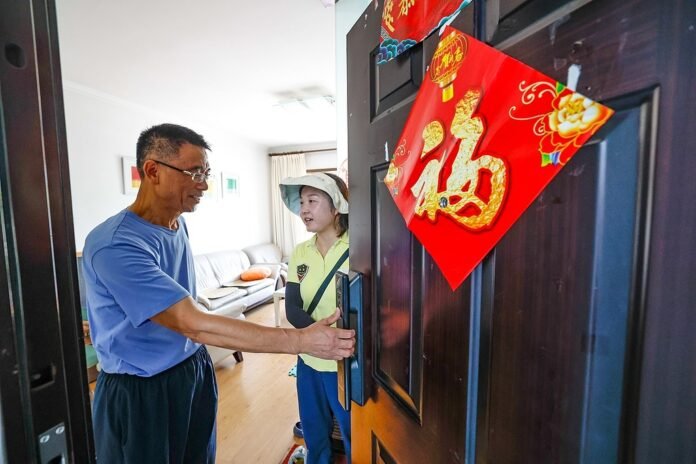
For example, elderly users often encounter difficulties with facial recognition or battery-related issues that may leave them locked outside their homes.

To address this, Desman has developed a specialized algorithm designed for older users and extended battery life to up to eight months, aiming to make smart locks more reliable for senior households.

Meanwhile, AI can help manage the growing number of home deliveries by automatically recognizing packages placed outside the door and notifying users when they should collect them.

These features highlight how AI is increasingly being designed around real-world living scenarios, rather than purely technological functions.

Smart Locks in the Expanding AI Hardware Ecosystem

The evolution of smart locks reflects a broader trend in China’s technology sector — the rapid integration of large AI models and intelligent algorithms into consumer hardware.

From smartphones and home appliances to automobiles and security devices, AI is becoming embedded across a wide range of physical products.

Industry observers say these devices could eventually function as intelligent service terminals, connecting users with digital ecosystems and home automation systems.

As AI capabilities improve, smart locks may even be able to handle more complex tasks, learning from user behavior and providing proactive services.

Global Expansion on the Horizon

Desman is also accelerating its expansion into overseas markets as demand for smart home devices continues to grow globally.

The company said international markets will be a priority this year, with different product strategies tailored to regional needs.

  • In Europe, the focus will be on privacy protection and design aesthetics.

  • In North America, security performance and usability will be emphasized.

  • In Southeast Asia, products will prioritize affordability and waterproof features suited to tropical climates.

As AI continues to reshape consumer technology, smart locks could become one of the next everyday devices to evolve from simple hardware into intelligent assistants integrated into the connected home.

Article inline ad

Chinese Wind Turbine Makers Dominate Global Market as China Powers Energy Transition

0

Compiled from a report by China Daily on March 13.

China’s wind power industry has reached a new milestone, with domestic turbine manufacturers now dominating the global market and underscoring the country’s growing influence in the clean energy transition.

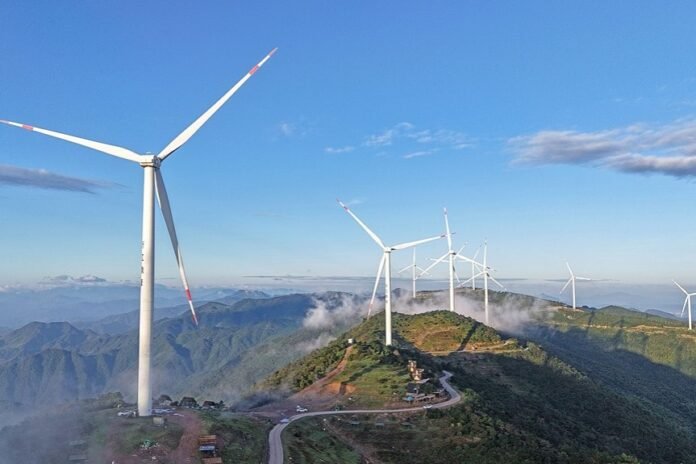
For the first time, Chinese wind turbine makers occupy the top six positions in global market share rankings, according to the Global Wind Turbine Market Shares 2025 report released by energy research firm BloombergNEF.

The shift highlights how China’s vast domestic renewable energy market is reshaping the global wind power supply chain and strengthening the competitive position of Chinese manufacturers.

Record Global Wind Expansion

Global wind capacity additions reached 169 gigawatts in 2025, the highest level on record and a 38 percent increase year-on-year, the report said.

A major driver of this growth was China’s onshore wind sector, which experienced another year of rapid expansion.

China also became the first country in the world to install more than 100 gigawatts of wind capacity in a single year, reflecting the scale of its renewable energy deployment.

Industry analysts say the country’s strong policy support and massive domestic demand have helped create a uniquely large and competitive wind power ecosystem.

Domestic Market Fuels Global Competitiveness

Over the past decade, wind power installations have increasingly concentrated in China, giving domestic manufacturers a powerful testing ground to scale production, improve technology and reduce costs.

Cristian Dinca, wind analyst at BloombergNEF and lead author of the report, noted that Chinese turbine makers have consistently ranked among the global leaders and benefited significantly from the surge in domestic installations in 2025.

The country’s large project pipeline has allowed manufacturers to rapidly expand manufacturing capacity while accelerating product innovation.

As a result, Chinese companies are now exporting turbines and components to a growing number of international markets.

China’s Rising Role in the Global Clean Energy Supply Chain

The dominance of Chinese turbine manufacturers reflects a broader trend in the global energy transition: the increasing centrality of China in renewable energy manufacturing.

China already plays a major role in the production of solar panels, batteries and electric vehicles, and wind power is becoming another sector where Chinese firms hold a growing competitive edge.

The country’s integrated industrial ecosystem — including steel production, advanced manufacturing, logistics networks and supply chain depth — provides a strong foundation for scaling renewable energy technologies.

As global demand for clean energy accelerates, Chinese wind equipment makers are expected to remain key suppliers for both domestic projects and international markets.

Wind Power at the Center of China’s Energy Strategy

China’s rapid wind power expansion is also part of a broader effort to transform its energy system and reduce carbon emissions.

Large-scale deployment of renewable energy, including wind and solar, has become a cornerstone of the country’s long-term energy transition strategy.

With installation volumes continuing to grow and technology costs falling, wind power is expected to remain one of the most important pillars of China’s clean energy expansion.

At the same time, the global wind industry is likely to become increasingly shaped by Chinese manufacturers, whose scale and cost advantages are redefining competition in the sector.

Article inline ad