Wednesday, November 25, 2026

Home Blog Page 77

Commercial Space Upswing To Fuel PV Prospects

0

By REN QI | China Daily | Updated: 2026-02-04

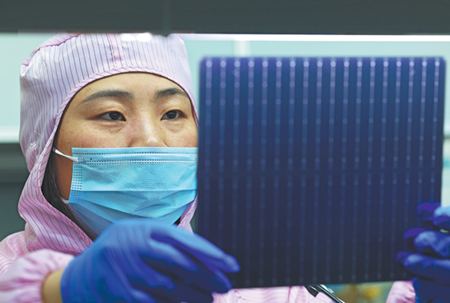
China’s commercial space industry, which has been booming on the back of recent milestones in reusable rockets and satellite constellations, is now driving rapid growth in the emerging space photovoltaics sector, according to experts.

 Space photovoltaics, as a core supporting component of commercial spaceflight, is becoming the critical backbone for the long-term power supply of spacecraft, they said.

 By leveraging the unique advantage of continuous sunlight in space — where geostationary orbits receive light 99 percent of the time — these systems achieve power generation efficiencies far surpassing those on Earth.

 The sector has already seen strong market interest. Data from Wind Info, a financial information service provider, show that share prices of companies in the space PV sector rose by over 26 percent between early December 2025 and late January 2026, fueled by investor optimism about the commercial space era.

 Wu Ziyi, an analyst with CITIC Securities, said that since spacecraft cannot plug into a ground grid and carrying fuel is prohibitively heavy, solar power has become the only efficient, long-term energy solution for satellites.

 Wu explained that solar radiation intensity in space is more than 30 percent higher than on Earth. Furthermore, flexible, foldable solar arrays allow engineers to easily scale up the power supply to match the increasing computing demands of modern satellites.

 “Driven by commercial space trends, various emerging technologies are accelerating their industrial application, making space PV a key area of development,” said Yang Fu, a researcher at Caixin Securities.

 Yang highlighted that demand is being driven by a massive increase in satellite quantity. Unlike the traditional era of limited launches, the commercial era is defined by “mega-constellations” — such as China’s Qianfan network — which plan to deploy tens of thousands of satellites, creating a huge market for solar cells.

 Yang also pointed out that the “quality” of demand is shifting. As satellites take on complex tasks like space-based computing and use advanced electric propulsion, their power consumption is skyrocketing. This is pushing the industry to look beyond traditional, expensive materials toward more cost-effective commercial solutions.

 Zhu Yue, chief analyst at CITIC Construction Investment Securities, believes the technology will evolve in three stages. In the short term, traditional “gallium arsenide” batteries — which are highly efficient but very expensive to manufacture — will continue to dominate high-value missions like deep-space exploration.

 However, for mass-produced commercial satellites, Zhu noted that newer technologies like HJT (heterojunction) batteries are preferred. These batteries offer a better balance of cost and performance, being lighter and highly resistant to the harsh radiation of space.

 Looking further ahead, Zhu predicts that next-generation perovskite batteries will achieve breakthroughs in power-to-weight ratios. These advancements could eventually support futuristic infrastructure, such as space-based solar power stations by 2030 and massive space data centers after 2035.

 renqi@chinadaily.com.cn

Article inline ad

Solar Seen Outshining Coal In ’26

0

Nation to add over 400m kW of new capacity this year, primarily wind, PV

By ZHENG XIN | China Daily | Updated: 2026-02-04

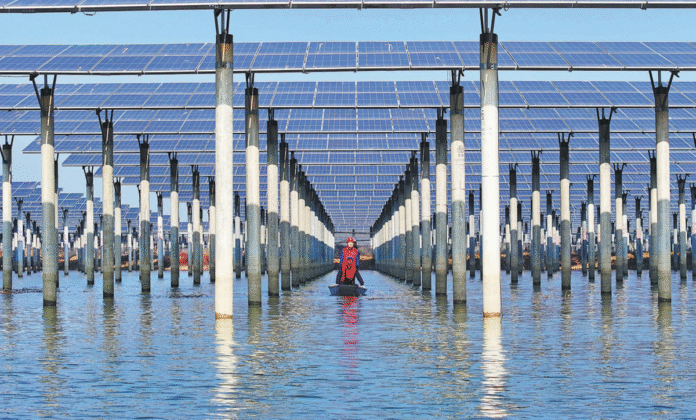
China’s installed solar power capacity is on track to surpass coal for the first time in 2026, solidifying the country’s position as the world’s premier powerhouse in the renewable energy revolution, said industry experts.

 The new energy sector is set to continue to scale at an extraordinary pace in 2026, with new power generation capacity projected to surge past the 400 million kilowatt mark — setting a new global benchmark for clean energy deployment, said Hao Yingjie, a spokesman for the China Electricity Council.

 The combined capacity of wind and solar power is expected to account for half of the nation’s total power generation capacity by the end of 2026, Hao said at a news conference in Beijing on Monday.

 Driven by China’s ambitious plan to peak carbon before 2030 and achieve carbon neutrality before 2060, the CEC anticipates that China will add more than 400 million kilowatts of new generation capacity in 2026 alone, with new energy sources — primarily wind and solar power — expected to contribute over 300 million kW.

 Figures released by the council reveal that China’s electricity consumption surged to a record 10.37 trillion kilowatt-hours in 2025, a staggering volume that is now more than double the total annual power usage in the United States.

 The world’s second-largest economy further solidified its position as the top global power consumer last year, which exceeds the combined power usage of the European Union, Russia, India and Japan, it said.

 Lin Boqiang, director of the China Center for Energy Economics Research at Xiamen University, said this remarkable growth cements the renewable sector as the primary engine driving the nation’s historic energy evolution.

 This milestone underscores the accelerating pace of China’s energy transition, as solar capacity specifically moves to eclipse coal as the leading individual source of installed capacity, Lin said.

 According to the National Energy Administration, the pace of China’s low-carbon transition has accelerated sharply in recent years, with cumulative renewable capacity surpassing 1.8 billion kW.

 Renewable generation reached approximately 4 trillion kWh last year and surpassed the total electricity demand of the 27 EU member states, which stands at roughly 3.8 trillion kWh, said Xing Yiteng, deputy director-general of the department of development and planning of the administration.

 China’s energy investment also surged rapidly last year, with total capital expenditure on key projects exceeding 3.5 trillion yuan ($503.6 billion) for the first time, a year-on-year increase of nearly 11 percent, a growth rate that significantly outpaced other major economic sectors, said Xing.

 The council said China’s total installed power capacity is expected to reach approximately 4.3 billion kW by the end of 2026. Non-fossil energy sources are expected to make up about 2.7 billion kW of that total, representing roughly 63 percent of the nation’s entire power assets, it said.

 In contrast, the share of coal-fired power is expected to continue its downward trajectory, falling to approximately 31 percent of total capacity, it said.

 China’s total social electricity consumption in 2025 rose 5 percent year-on-year, and the council expects this momentum to accelerate in 2026, forecasting a growth rate between 5 percent and 6 percent.

 The surge of power consumption last year is largely attributable to the rapid expansion of high-tech and equipment manufacturing, which saw electricity demand grow by 6.4 percent, leading the broader manufacturing sector as industries undergo structural upgrades and digital transformations, it said.

 Driven by the massive rollout of electric vehicles, charging piles and 5G infrastructure, power demand in the information technology and software services sector jumped 17 percent year-on-year.

 Notably, electricity consumed by the EV charging and battery-swapping services sector skyrocketed 48.8 percent in 2025, the CEC said.

 zhengxin@chinadaily.com.cn

Article inline ad

Chinese Wind Turbine Maker Goldwind To Cooperate With EU Probe

0

By Zheng Xin | chinadaily.com.cn | Updated: 2026-02-04

Chinese wind turbine giant Goldwind Science and Technology Co Ltd said on Wednesday that it will fully cooperate with the European Commission following the initiation of an in-depth investigation into its European Union operations under the Foreign Subsidies Regulation.

 The commission said a preliminary investigation found “indications” that Goldwind “may have been granted foreign subsidies that distort the internal market”.

 Goldwind said it would maintain transparent communication with relevant EU authorities throughout the legal procedures.

 “Goldwind consistently places compliance at the core of its global operations,” the company said in a statement to China Daily.

 “In all markets where it operates, including the European Union, the company is committed to maintaining robust corporate governance and internal control systems while strictly adhering to international rules and local laws.”

 The company emphasized that its business activities in the EU market remain normal and orderly. Goldwind assured its customers and partners that it will continue to provide high-quality services and support despite the ongoing probe.

 The investigation comes at a sensitive time for the global energy transition. Goldwind highlighted that its market standing is built on “continuous technological innovation, reliable product quality, and market-based competitiveness,” rather than external subsidies.

 An “open, fair, and non-discriminatory international trade and investment environment” is essential for addressing global climate change and advancing the energy transition, it said in a statement.

 “We believe that fact-based and constructive communication with the European Commission will help clarify the facts.”

Solar seen outshining coal in ’26

Article inline ad

Geely May Build Cars At Ford’s Spain Plant

0

By Li Fusheng | chinadaily.com.cn | Updated: 2026-02-04

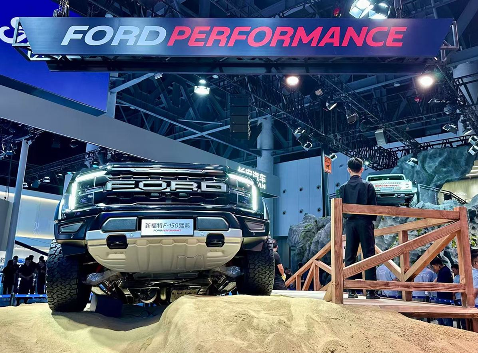
China’s Geely and Ford are in discussions about using spare production capacity at the US carmaker’s European plants to manufacture vehicles for the region, Reuters reported on Wednesday.

 Ford saw its sales falling in Europe from 518,000 units in 2023 to 327,000 units in the first three quarters of 2025, according to Statista, a Germany-based market intelligence platform.

 Ford’s plant in Spain, which has been in operation since 1976, is the most likely facility involved in the talks, a person familiar with the matter told China Daily.

 According to Reuters, the two companies have also discussed a potential framework for sharing vehicle technologies, including automated driving, citing two people with knowledge of the matter.

 In response to a query from China Daily, Ford said: “We have discussions with lots of companies all the time on a variety of topics. Sometimes they materialize, sometimes they don’t.”

 Geely Holding Group, which acquired Volvo from Ford in 2010, declined to comment.

 The Chinese carmaker is targeting global sales of 6.5 million vehicles — including passenger and commercial models — by 2030, with overseas markets accounting for more than one-third of the total.

 If achieved, the target would lift Geely from seventh place in global vehicle sales in 2025 into the world’s top five by volume.

 In 2025, the group delivered 4.116 million vehicles, up 26 percent year on year, marking its fifth consecutive year of rapid growth.

 Last week, the Financial Times reported that Ford and Xiaomi had held discussions over a potential partnership that would have allowed the Chinese electronics group to manufacture electric vehicles in the United States, citing people familiar with the matter.

 Both Ford and Xiaomi later said the report was inaccurate.

 In Europe, Ford and French carmaker Renault announced late last year a strategic partnership to develop two Ford-branded electric vehicles based on Renault’s Ampere platform, with production to take place in France.

 Geely has also partnered with Renault in South Korea and Brazil to produce and sell vehicles based on Geely technologies using the French automaker’s factories and sales network.

 Chinese automakers have increasingly sought to establish manufacturing bases overseas, especially in Europe, one of the largest destinations for China-made NEVs.

 Vehicles from Leapmotor will be produced at a Stellantis plant in Spain as part of a joint venture, while Xpeng is building an electric model at a Magna International facility in Austria.

 The Financial Times reported in late January that China’s Chery and Jaguar Land Rover may discuss the possibility of producing cars in the UK using one of the British carmaker’s existing plants.

Article inline ad

LEGO Expands China-Centric Toys For Deeper Connection

0

By WANG ZHUOQIONG | China Daily | Updated: 2026-02-04

As Spring Festival approaches, LEGO Group, the Danish toymaker, is embarking on a cultural journey to deepen its roots in China by introducing products that celebrate the country’s vibrant traditions.

 These new sets — the LEGO Galloping Horse Canvas and LEGO Fortune Firecrackers — are joining the bustling gifting season. They are more than just toys; they serve as a bridge between the LEGO Group and China’s rich heritage.

 The LEGO Galloping Horse Canvas set, for example, reflects a belief in good fortune and success. Featuring a graceful galloping horse and a canvas painted in the delicate ink-wash style, the set captures the essence of “immediate success and great fortune” — a sentiment that resonates deeply in Chinese culture.

 Alongside it, the LEGO Prosperity Firecrackers set reimagines the classic firecracker, a symbol of Spring Festival and a joyful part of the annual ritual to welcome the God of Wealth.

 At the core of these releases lies a strategic ambition: to cater to local tastes and strengthen LEGO Group’s foothold in one of the world’s most dynamic markets.

 Maciek Selinski, head of LEGO China, shares the company’s vision behind this cultural strategy. “For years, we’ve explored Chinese culture, aiming to create products that emotionally connect with local consumers.”

 Since introducing its first China-inspired sets in 2019, LEGO Group has continued to expand its collection, thoughtfully incorporating symbols like plum blossoms, orchids, and chrysanthemums — each rich in meaning within Chinese culture. Its Denmark-based design team has created products that strike a balance between local appeal and global tastes.

 “China is the only market where we specifically design products for local holidays, such as Chinese New Year,” Selinski said. To date, the LEGO Group has released 16 different Spring Festival-themed sets, all of which have resonated not only with Chinese consumers, but also with fans around the world.

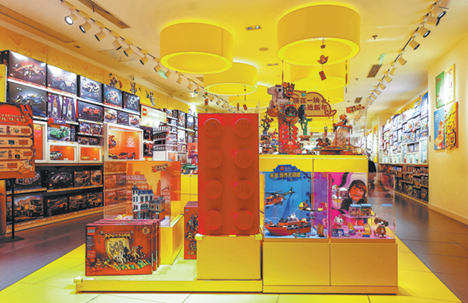
 The company has also invested heavily in a long-term growth strategy, reflected in its expanding retail presence with over 400 stores in more than 120 cities. Its manufacturing facility in Jiaxing, Zhejiang province, produces nearly all its building products sold in China.

 Last year, Shanghai Legoland opened in July, a project hailed as “the last piece of the LEGO ecosystem puzzle in the country”. Since its debut, the park has attracted over a million visitors.

 Though the LEGO brand has been operating in China for a decade, Selinski, who took on the role of leading LEGO China in September, sees the market as still in its early stages.

 “We’re still in the early stages in China, but we see immense potential here,” said Selinski, who previously led the company’s operations in Poland, Ukraine and the Baltics.

 A particularly exciting shift in China’s consumer landscape is the rise of adult fans, especially among younger consumers who crave creativity and self-expression. This trend has fueled the rapid growth of collectible trend toymakers like Pop Mart.

 According to iiMedia Research, the emotional economy market in China is on a steep upward trajectory, expected to exceed 4.5 trillion yuan ($648 billion) by 2029.

 LEGO Group has embraced this trend by expanding its product range to include more emotionally engaging, vibe-driven offerings that resonate with this growing demographic.

 “In China, there’s a growing focus on creativity and self-expression, especially among adults,” Selinski said. “LEGO Group offers a creative outlet that appeals to both children and parents, with products ranging from detailed architectural models to nature-themed sets.”

 The company’s adaptability goes beyond cultural relevance and consumer trends. The company has strategically strengthened its collaborations with major intellectual properties like F1, Minecraft and Disney — partnerships that have been successful globally and are poised to grow even further in Asia, especially in China.

 “IP collaborations are an essential part of our strategy,” Selinski added, noting that LEGO is exploring more localized partnerships to better align with regional tastes.

 LEGO Group’s global performance has also been solid. In the first half of 2025, the company reported a 12 percent increase in revenue, reaching a record 34.6 billion Danish krone ($5.5 billion). Consumer sales grew by 13 percent, and net profit rose by 10 percent, totaling 6.5 billion Danish krone. The company’s retail expansion continued with 24 new stores, bringing the global total to 1,079.

 The global construction toy segment was expected to grow from $14.97 billion in 2023 to $16.79 billion in 2025, with forecasts projecting further growth to $17.64 billion in 2027. In China, the segment is also on the rise, from 15.72 billion yuan in 2023 to 17.86 billion yuan in 2025, and an expected 19.43 billion yuan in 2027, according to consultancy Euromonitor International.

 In China, where its business has faced challenges in recent years, its recent recovery has been a bright spot. Last year, LEGO CEO Niels B. Christiansen expressed the company’s satisfaction with the market’s return to growth.

 Selinski is focused on building on this momentum with a patient, close observation of the local market. “We’re enhancing our retail presence and product offerings in China, creating seamless omnichannel shopping experiences to meet the evolving demands of Chinese consumers,” he said.

 “We’re building a cohesive brand experience that reflects the dynamic nature of the Chinese market,” he added. “Our goal is to reach more families and children across China while continuing to innovate and adapt our offerings to suit local tastes.”

Article inline ad

Nestle Expands Juice Gummy Production In China

0

By WANG ZHUOQIONG | China Daily | Updated: 2026-02-04

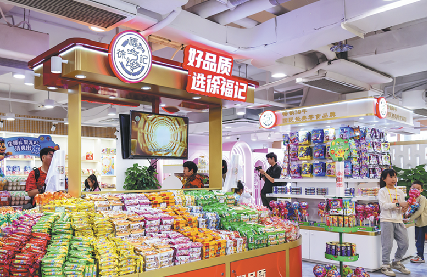
As the Chinese New Year approaches, a peak time for confectionery consumption and gifting — Hsu Fu Chi — a leading domestic confectionery brand under Nestle, is bolstering its production capabilities to meet the surging demand for festive snacks.

 On Feb 2, the company unveiled a new juice gummy production workshop in Dongguan, Guangdong province, with some 200 million yuan ($28.8 million) investment aimed at enhancing production efficiency through smart manufacturing.

 The 14,000-square-meter facility, designed to produce 40 metric tons of juice gummies per day, is equipped with a fully automated production line. The expansion followed Hsu Fu Chi’s 2023 capacity boost and aims to secure a steady supply of its best-selling juice gummies during the holiday season.

 Nestle’s investment comes at a time of rapid growth in China’s snack food sector, with consumers increasingly seeking healthier, fun and indulgent options. The Dongguan workshop integrates advanced German technology and AI-powered systems designed to optimize production.

 Features include automated guided vehicle logistics, robot-assisted material handling, unmanned forklift storage and a fully automated cleaning system. The upgrades are expected to increase production capacity by 30 percent, improve efficiency by 20 percent and reduce energy consumption by 15 percent, according to the company.

 Kais Marzouki, chairman and CEO of Nestle Greater China, said that the expansion is more than just a capacity increase.

 “The launch of the juice gummy production line is a clear demonstration of Nestle’s commitment to China, our second-largest global market,” Marzouki said. “This investment marks a new chapter, where intelligent manufacturing drives value chain upgrades and local innovations that benefit our global network.”

 Liu Xinggang, president of Hsu Fu Chi, said the company focuses on responding to the fast-growing demand for premium snacks. “This expansion is designed to better meet the ‘sweet expectations’ of our customers and to solidify our leadership in the snack and confectionery sector,” Liu said.

 Since 2020, Nestle has invested over 5 billion yuan in China, focusing on high-growth sectors such as infant formula, snacks and pet care. By the start of 2025, Nestle had completed its full acquisition of Hsu Fu Chi, continuing to leverage the country’s industrial and innovation ecosystem to drive smart manufacturing, enhance product quality and contribute to regional economic development and industrial upgrades.

 According to consultancy Mintel Group, nearly 70 percent of limited-edition products are launched with Chinese New Year-themed packaging, as consumers increasingly choose candies, chocolates and other sweets for children during the festive season.

 Its research also shows that young adults aged between 18 and 29, multi-person households and parents with children aged between four and 12 are the primary demographic drivers. Young consumers tend to prioritize personal enjoyment and social sharing, while family buyers focus on emotional connection, and parents seek products with nutritional benefits.

 As consumer preferences shift, new product development is leaning toward healthier, functional options, including vitamins, probiotics and low or no-sugar varieties, alongside emotionally engaging items such as holiday-limited editions or nostalgic flavors, according to Mintel. While traditional candies like hard candy, mints and crisp candy still dominate, the market share of functional candies and innovative chocolate products is growing steadily.

 wangzhuoqiong@chinadaily.com.cn

Article inline ad

Road Map For ‘Export To China’ Intl Communication Campaign Unveiled

0

By Liu Zhihua and Wang Keju | chinadaily.com.cn | Updated: 2026-02-05

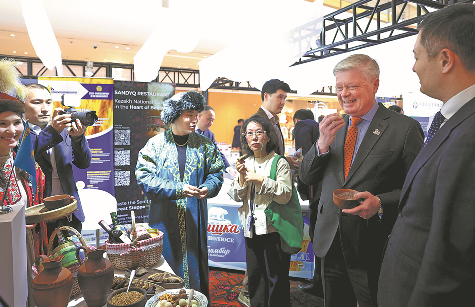
To further support the nation’s import expansion efforts, China Daily officially unveiled on Wednesday the road map for the “Export to China” international communication campaign.

 Leveraging China Daily’s strength as a national English-language media organization with a global reach, the campaign seeks to help international chambers of commerce and multinational corporations better showcase their quality products and services while accessing China’s vast market.

 “While steadfastly expanding high-level opening-up and advancing more balanced and innovative trade development, China is positioning itself not only as the ‘world’s factory’ but increasingly as the ‘world’s market’,” said Liu Weiling, deputy editor-in-chief of China Daily.

 “We aim to build an efficient and trustworthy bridge for global chambers of commerce and foreign businesses to gain deeper insights into the Chinese market, better promote their products and services, and fully seize the opportunities offered,” Liu said.

 The key measures under the “Export to China” international communication campaign include amplifying credible external voices and launching two report series titled “Dialogue with Chambers of Commerce” and “Diplomats’ Selections”.

 China Daily will collaborate with leading global scholars, think tanks and multinational executives to explain — through in-depth interviews and multiplatform storytelling — the strategic significance and tangible contributions of the country’s import expansion to the world economy.

 Based on interviews with major international chambers of commerce and their key member enterprises, the “Dialogue with Chambers of Commerce” series will feature multimedia reports to showcase successful examples of foreign products and services entering the Chinese market. The aim is to vividly illustrate the vast potential and golden opportunities in China’s consumption sector and its broader economy.

 The “Diplomats’ Selections” report series will invite foreign ambassadors and commercial counselors in China to personally recommend premium products and signature offerings from their home countries. The report series aims to build a trusted and efficient gateway for quality international goods to reach Chinese consumers.

 “We hope that the international community will gain a clearer understanding of China’s opening-up stance and practical steps in sharing development opportunities — proof of its unwavering commitment to global trade prosperity,” Liu added.

 Hubert de Haan, senior vice-president for China at German home appliances company BSH, said that the Chinese market, which is massive in scale and very diverse, is extremely important for the company.

 “We need to be here because this is the global powerhouse of home appliances, and it is a huge market where we need to be successful,” he said. “The high acceptance of innovation in China and the level of opening-up are a good push for speeding up our innovation cycles.”

 Previously, on Jan 3, China Daily launched the “Shopping in China” international communication platform, offering global audiences immersive, convenient and comprehensive guidance on China’s premium shopping, gourmet cuisine and tourism experiences as well as on its cultural performances.

 Contact the writers at liuzhihua@chinadaily.com.cn

Article inline ad

China Shares Market With Global Firms

0

By WANG KEJU and LI XIANG | chinadaily.com.cn | Updated: 2026-02-04

By pushing the expansion of high-level opening-up and proactively sharing its vast market, China is emerging as a source of certainty for international businesses, offering stable demand and long-term growth opportunities at a time when global economic recovery remains fragile and trade fragmentation is intensifying, government officials and business leaders said on Wednesday.

 By further opening its supersized market to global businesses, China is looking to offset rising protectionism and policy uncertainty elsewhere while providing multinational companies with clearer market signals and more reliable access to growth, they said.

 Speaking at the launch of the Beijing International Premium Products Event for “Big Market for All: Export to China”, Commerce Minister Wang Wentao said the event reflects China’s efforts to further open up, expand imports and promote more balanced trade growth.

 “China remains dedicated to turning its vast market into one that benefits the whole world, expanding the pie of cooperation, jointly tackling deve­lopment challenges, upholding the multilateral trading system and free trade, and injecting positive momentum into the global economy,” Wang said.

 Data from the General Administration of Customs shows that China’s imports totaled 18.48 trillion yuan ($2.66 trillion) in 2025, accounting for around 10 percent of global imports. The record level has maintained China’s status as the world’s second-largest import market for the 17th consecutive year, reinforcing the role of its supersized market as a stable source of demand and an anchor for global trade at a time of heightened uncertainty.

 For the world’s second-largest importer, pursuing a more balanced development of imports and exports has long been a strategic priority. The approach has been incorporated into key policy recommendations for formulating China’s 15th Five-Year Plan (2026-30), underscoring the country’s emphasis on leveraging the domestic market to support both national development and global economic stability.

 This year, the Ministry of Commerce will organize over 100 diverse import promotion events to bring together and match global sellers with Chinese buyers, ensuring that not only quality products and services enter the Chinese market, but more important, that they can achieve strong sales.

 Beijing, in particular, is demonstrating capability in boosting imports as it moves toward becoming one of China’s international consumption centers.

 Beijing Mayor Yin Yong said the Chinese capital remains committed to driving reform and development through opening-up, fostering deeper integration between imports and consumption, and striving to build itself into a preferred gateway for high-quality global products and services to enter the Chinese market.

 According to British Ambassador to China Peter Wilson, China is already the United Kingdom’s third-largest trading partner, but there is still “significant headroom” to expand bilateral trade ties.

 “This initiative captures exactly how we should approach strengthening UK-China trade — governments create the enabling environment and then businesses drive the outcomes,” Wilson said. “We hope to help small and medium-sized British enterprises, which are some of the most innovative and fastest-growing businesses, understand and enter the Chinese market.”

 Oliver Oehms, chief representative of Delegation of German Industry and Commerce Beijing, said that future Sino-German economic relations should not be defined by zero-sum competition, but by “mutual success driven by innovation”.

 Oehms particularly noted the strong, complementary potential in areas like biopharmaceuticals, smart manufacturing, digital transformation, green and sustainable development, and education and vocational training.

 In another development, Chinese e-commerce firm JD Group announced on Wednesday that it would introduce 1,000 new overseas brands in 2026 and help them double their sales in China, highlighting the growing role of digital platforms in connecting global suppliers with Chinese consumers.

 Fabrizio Costa, secretary-general of the China-Italy Chamber of Commerce, said that with a market of 1.4 billion consumers, China remains one of the world’s most important destinations for international businesses.

 Costa said the sheer size of the market and growing interest of Chinese consumers in quality goods create significant opportunities.

 “What is more important is that China has translated the positive political message into specific actions. With these initiatives in place, our companies can operate concretely in the market,” he added.

 Michael Jiang, president of Greater China for New Zealand-based kiwifruit marketer Zespri, said that China’s sustained economic growth and the expansion of its middle-income group have underpinned the company’s business development.

 “Our goal is to ensure that Chinese consumers can purchase Zespri kiwifruit all 12 months of the year, further deepening our long-term presence in the market,” Jiang said.

 Wang Yu contributed to this story.

 Contact the writers at wangkeju@chinadaily.com.cn

Article inline ad

‘Shopping In China’ Focusing On Goods, Services, Scenarios

0

Flagship commercial districts such as Beijing’s Taikoo Li Sanlitun leading the way

By WANG ZHUOQIONG | China Daily | Updated: 2026-02-04

This year, the Ministry of Commerce has made “Shopping in China” a priority, aiming to establish the Chinese market as a global consumption magnet, drawing not just tourists but the world’s top brands as well.

 The “Shopping in China” initiative aims to inject new momentum into the economy and further advance the special campaign to boost consumption. The program will continue to organize a series of activities, focusing on three key themes: goods consumption, services consumption and consumption scenarios.

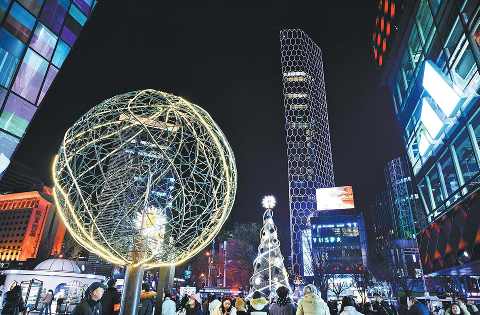
 In Beijing, this vision is rapidly taking shape. A core component of this strategy is the city’s ongoing retail upgrade, with flagship commercial districts such as Taikoo Li Sanlitun leading the way.

 “In the future, perhaps there’s no need to travel all the way to Paris or Tokyo — experiencing the world’s top brands and trends is now possible right here in Beijing,” said CT Ma, general manager of Taikoo Li Sanlitun.

 The district, known for its international appeal, recently completed a phased renewal. Ma offered insight into the broader vision: “This upgrade is a long-term commitment to the ‘Greater Sanlitun’ area. We focus on experiential retail, blending local culture with global lifestyles to create a dynamic platform for both international and domestic brands to showcase their latest retail concepts.”

 This shift in the retail landscape underscores a significant evolution in consumer behavior. As China’s retail sector becomes more mature, the focus is no longer purely on price, but increasingly on emotional connections with products, immersive experiences and cultural resonance.

 This change is driving the city’s transformation into a magnet for both international brands and the global consumer market.

 The transformation of Taikoo Li Sanlitun is a prime example of this shift. Nearly half of the commercial space in the North Zone has been renovated to cater to evolving consumer tastes. With an enhanced brand lineup, the district has evolved into a hub for international luxury flagship stores, welcoming marquee names such as Dior, Louis Vuitton, Hermes, and Tiffany & Co.

 These stores, designed by world-renowned architects, are reshaping the retail environment in the capital, offering consumers an entirely new level of luxury experience.

 Since the opening of several flagship stores in December, foot traffic in the area has increased significantly. The appeal of such high-end offerings has been matched by growing demand for exclusivity and culture-driven purchasing decisions.

 “Foreign brands are viewing China as a launch market and a testing ground for creative innovations,” Ma said.

 For instance, LV unveiled the cardholders with customized and exclusive stamping in Beijing, integrating local cultural elements to enhance consumer connections, while Adidas launched a trendy series incorporating Tang suit elements — highlighting the popularity of culturally attuned products among Chinese consumers.

 Ma also pointed out that the breadth of product categories now available in China often exceeds that of many non-first-tier cities worldwide.

 “This is not only because of purchasing power, but also due to the increasing sensitivity of Chinese consumers to cultural added value,” he added.

Alongside these retail upgrades, policies aimed at improving the shopping experience for foreign tourists are also playing a pivotal role. Simplified tax refund processes and expanded visa-free access have been key drivers in boosting inbound consumption.

 “Over the past year, consumption by tourists from Southeast Asia, South Korea, Russia and Central Asia at Taikoo Li Sanlitun has grown noticeably,” Ma said. This surge in inbound shoppers is particularly evident during peak periods such as holidays and year-end vacations.

 Data show that the number of tourists from Russia and Central Asia visiting the area has risen by 30-40 percent year-on-year, as well as those from Southeast Asia, with their demand for both luxury products and high-quality retail services pushing the commercial sector to new standards of excellence, Ma added.

 This new wave of purchasing power is not limited to luxury brands. It extends to mass market labels like Uniqlo and duty-free shops, signaling a broader appeal for China’s retail ecosystem. The influx of international tourists has sparked a revitalization of the sector, benefiting both high-end and everyday consumer goods.

 Sun Shuguang, secretary of the Sanlitun Subdistrict party, said:”The renewal of Taikoo Li Sanlitun not only enhances its own quality, but also drives the high-quality development of the entire Sanlitun area. We aim to foster closer government-enterprise collaboration to jointly create a more international Sanlitun.”

 This model is taking shape through various initiatives, such as improving payment convenience for international visitors, introducing multilingual services and offering culturally tailored dining experiences.

 “We’re making the area more accessible for tourists, from expanding the acceptance of international credit cards to offering multilingual menus and more diverse dining options,” Ma said.

 Additionally, commercial real estate operators are partnering with international brands to create localized experiences for foreign tourists. For example, Thai key opinion leaders (KOLs) have been invited for promotional events in Beijing, driving “reverse content output” to amplify the global appeal of the district.

 “We believe that in the city’s commercial sector, ‘the more local, the more international’,” said Han Zhi, director of retail business at Swire Properties, parent company of the Taikoo Li.

 “When a commercial project truly becomes part of the city’s fabric and integrates into the daily lives of local residents, it naturally appeals to global consumers as well. Our commitment to ensuring that no two cities have the same retail offerings makes each of our projects a unique force in driving urban development,” Han said.

 The aim is for each shopping district to not just serve as a consumer destination, but also become an essential part of the city’s urban fabric, seamlessly blending with local life while attracting global interest, said the company.

 The rise of “Shopping in China” is more than just about luxury goods — it’s about creating an immersive, culturally enriched experience that appeals to both domestic and international consumers alike.

 As Taikoo Li Sanlitun and other commercial hubs in the city continue to evolve, they are setting the standard for what the future of retail can look like — not just in China, but around the world.

 wangzhuoqiong@chinadaily.com.cn

Article inline ad

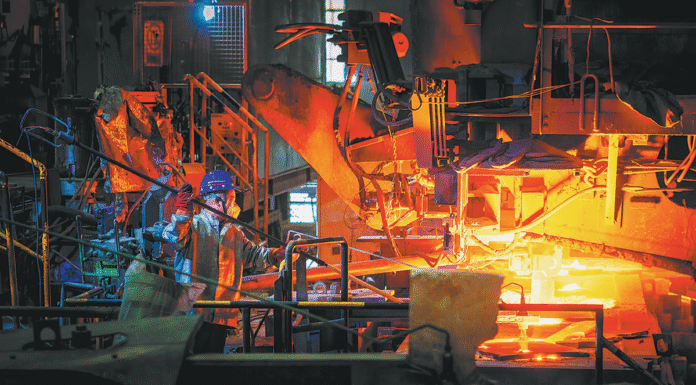
Steel Sector To Be Innovation Powerhouse

0

Green metallurgical tech expected to be comprehensively applied across sector

By Yin Mingyue | China Daily | Updated: 2026-02-04

China’s steel sector is expected to reach a globally advanced technological level by 2030, with breakthroughs in high-end steel and low-carbon metallurgical technologies making the nation one of the world’s key sources of innovation in the sector, said Mao Xinping, an academician at the Chinese Academy of Engineering.

Mao made the remarks at a conference on the steel industry and technological innovation in Beijing on Friday, where he outlined the overall goals of China’s technological innovation strategy in the sector during the 15th Five-Year Plan (2026-30) period.

By the end of the 15th Five-Year Plan period, the stability and consistency of China’s steel product quality are expected to reach internationally advanced levels, with key high-end steel products for major national projects and high-end equipment manufacturing achieving independent and controllable supply.

Green and environmentally friendly metallurgical technologies, along with carbon and energy efficiency enhancement technologies, are expected to be comprehensively applied across the industry, cutting total carbon dioxide emissions by 20 percent from 2020 levels, Mao said.

In addition, the allocation of innovation resources within the steel sector and related enterprises will be further optimized, with major steelmakers expected to see their research and development investment intensity rise by more than 10 percent, and a well-structured, highly coordinated innovation system to be established.

While setting clear medium and long-term technological development goals, the sector is also keenly aware of the pressures it currently faces.

“Overall, the steel market is still characterized by ample supply and soft demand, with supply-demand imbalances continuing to widen,” said Zhao Minge, chairman of the China Iron and Steel Association.

The National Bureau of Statistics said China’s crude steel output fell 4.4 percent year-on-year to 961 million metric tons in 2025, while apparent consumption fell 7.1 percent to 829 million tons. Meanwhile, steel product output rose 3.1 percent to 1.45 billion tons.

Amid these pressures, China’s steel sector is proactively adapting to market changes and accelerating efforts to optimize and upgrade its product structure.

According to the CISA, during the 14th Five-Year Plan (2020-25) period, China’s steel self-sufficiency rate basically reached 100 percent, providing high-quality and high-level support for the nation’s steel demand.

In 2025, steel consumption by China’s manufacturing sector overtook construction for the first time, with the share used in construction falling from 58 percent in 2020 to 49 percent, while manufacturing’s share rose from 42 percent to 51 percent.

This shift reflects the growing role of manufacturing in driving steel demand, highlighting ongoing structural changes in the sector.

Looking ahead, Zhao said the manufacturing sector will place greater emphasis on upgrading quality and efficiency.

“Traditional steel-consuming industries such as machinery, automobiles, shipbuilding, home appliances and equipment manufacturing are expected to maintain steady growth, while emerging sectors including new energy, low-altitude economy and artificial intelligence are creating new sources of demand growth.”

In addition, China’s steel exports grew rapidly during the 14th Five-Year Plan period, with export markets becoming increasingly diversified. In terms of export categories, exports of steel plates more than doubled in 2025 compared to 2020.

To better manage growing exports and ensure stable industry development, the Ministry of Commerce and the General Administration of Customs reintroduced export license management measures for certain steel products starting Jan 1, marking the return of the system after a 16-year hiatus following their cancellation in 2009.

Xiao Lu, deputy director of the department of foreign trade at the Ministry of Commerce, said the system will help strengthen real-time monitoring and tiered analysis of steel exports, enable rapid tracking of export fluctuations, and enhance coordination between trade and industrial policies.

The policy will also raise compliance and quality awareness across the industry, encourage enterprises to focus on product quality, boost investment in R&D and innovation, and support pragmatic, high-quality development of China’s steel sector, Xiao said.

Article inline ad