Wednesday, November 25, 2026

Home Blog Page 89

Galaxy Corp Eyes ‘Unlimited Development Potential’

0

By Ouyang Shijia | China Daily | Updated: 2026-01-27

China’s vast market potential, deep talent pool and leadership in cutting-edge technologies such as artificial intelligence and robotics make it a core pillar of Galaxy Corp’s global strategy, as the South Korean entertainment technology company plans to steadily expand its presence in China through deeper local partnerships and investments.

 “China’s market holds virtually unlimited development potential. It is creative, innovative and dynamic, and it is already at the global forefront in multiple industries,” said Choi Yong-ho, CEO and chief happiness officer of Galaxy Corp.

 “China’s strong capabilities in robotics and AI are leading industrial development, and its younger generation represents a highly capable and promising talent base. With these advantages, I believe the Chinese market will continue to grow, with a very optimistic outlook,” said Choi, who was also the youngest CEO in the economic delegation brought by South Korean President Lee Jae-myung during his state visit to China earlier this month.

 Choi told China Daily during a recent interview that China occupies an “extremely important position” in Galaxy Corp’s global strategic layout.

 According to Choi, the resilience of China’s market is rooted in three key factors: technological innovation; a culture of continuous challenge; and an entrepreneurial environment in which companies can recover from failure with policy support. “Together, these elements create a powerful momentum.”

 The company plans to establish Galaxy China jointly with local partners and increase strategic investment in the market, advancing business lines across what it calls the dimensions of “today, tomorrow and the day after tomorrow”.

 Under this framework, Galaxy Corp’s “today” businesses focus on entertainment intellectual property, media, commerce and technology, with plans to co-develop new content and IP tailored to Chinese consumer preferences. The “tomorrow” pillar centers on AI and robotics, where Choi sees strong synergy between China’s hardware manufacturing strengths and South Korea’s software capabilities.

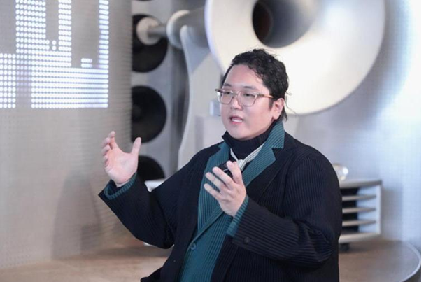
Choi Yong-Ho, CEO And Chief Happiness Officer Of Galaxy Corp.

“By combining China’s hardware technology with South Korea’s software expertise, we see opportunities to jointly access international markets,” Choi said.

 Meanwhile, the “day after tomorrow” strategy targets space and aerospace-related businesses, reflecting Galaxy’s longer-term technological ambitions.

 To support a localized approach, Galaxy China will serve as a platform to roll out all three strategic pillars in close collaboration with local partners. Drawing on the company’s capacity to produce more than 400 episodes of variety shows annually and its experience in global music releases and world tours for top-tier artists, the company aims to co-create original content “that no other has attempted before,” Choi said.

 Founded in 2019 and headquartered in Seoul, Galaxy Corp is an entertainment technology company that integrates IP, media and advanced technologies such as AI and the metaverse. Its artist roster includes K-pop icon G-DRAGON, internationally acclaimed actor Song Kang-ho, and singer and variety show star Kim Jong-kook.

 A key pillar of Galaxy’s China strategy is its partnership with Hong Kong-listed Star Plus Legend Holdings Ltd, often referred to as a “Jay Chou concept stock” due to its ownership of the Chinese pop superstar’s IP. Star Plus Legend said in November that it has become a strategic shareholder in Galaxy Corp after acquiring, through an industry fund, up to 7 percent of Galaxy’s issued share capital.

 Choi said the partnership would “significantly lower the barriers to entering the Chinese market” and support Galaxy’s systematic expansion. In the future, the two companies and the aforementioned joint venture plan to engage in deep cooperation across multiple fields, including IP development, AI and robotics.

 Galaxy Corp has already expanded its presence through strategic cooperation with Tencent Music Entertainment Group to support concert tours in China and Southeast Asia.

 Choi said Galaxy would also broaden external cooperation, leveraging localized content production, technology collaboration and joint IP development to compete effectively in an increasingly globalized entertainment and technology landscape.

 “In the next five to 10 years, we will enter an era where everyone has a robot capable of providing personalized services,” he said, adding that China–South Korea collaboration could open the door to global markets beyond Asia.

 “China has remained South Korea’s largest trading partner for years, while it is China’s second-largest trading partner,” He Yadong, spokesman for the Ministry of Commerce, told a news conference held in Beijing earlier this month.

 He said that the country is willing to work with South Korea to support mutual investment by enterprises from both sides, further tap cooperation potential in emerging areas such as high-end manufacturing and AI, and encourage multilevel and diversified economic and trade exchanges.
Article inline ad

China Achieves Industrial-Scale Production Of POE

0

By Zheng Xin | China Daily | Updated: 2026-01-27

China has successfully achieved industrial-scale production of polyolefin elastomer, a breakthrough that significantly bolsters the nation’s supply chain sovereignty in the renewable energy and electric vehicle sectors while dismantling a long-standing “chokehold” on critical high-tech materials.

 The Dushanzi petrochemical plant, a subsidiary of the State-owned China National Petroleum Corp and located in the Xinjiang Uygur autonomous region, produced nearly 60,000 metric tons of POE in 2025.

 The milestone was achieved using a domestically developed gas-phase polymerization process, the company announced on Monday, marking the first successful industrialization of this technology in China.

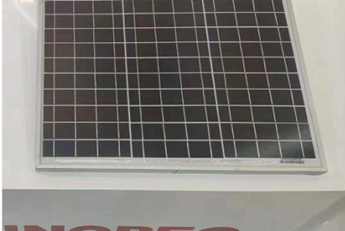
 Often referred to as “industrial gold,” POE is a high-performance material that combines the processability of plastic with the high elasticity of rubber. It is an essential component in the manufacturing of photovoltaic modules, lightweight automotive parts and high-end packaging.

 Industry analysts expect this surge in domestic production to stabilize supply chains for the renewable energy sector and significantly lower the cost of high-efficiency N-type solar modules, further cementing China’s lead in the global energy transition.

 The industrial-scale production of POE represents a strategic shift from high-tech dependency to supply chain sovereignty in the renewable energy sector, they say.

 China used to face high technical barriers and rigorous process controls, leaving the market heavily dependent on foreign suppliers, with import dependency for POE remaining as high as 95 percent through the first three quarters of 2025, according to Hua Wei, head of the Chemical Industry and Engineering Society of China.

 In recent years, China’s chemical industry has transitioned from a phase of quantity-driven growth to one focusing on quality enhancement with technological innovation and industrial transformation, he said.

 International trade frictions have, to some extent, increased costs for chemical enterprises. Under these circumstances, driving technological innovation and a green, sustainable transition is the inevitable path for corporate survival and development, he said.

 The growth of various emerging fields, such as new energy vehicles, energy storage, and life sciences, has generated robust demand for advanced chemical materials.

 This means that the industry’s future business opportunities lie in utilizing technological innovation across catalysts, processes, reaction engineering, and equipment manufacturing to develop products that meet these specific downstream demands, he added.

 Against the backdrop of the global dual transition toward carbon neutrality and digitalization, Asia is not only the world’s largest market for chemical production and consumption but is also emerging as a critical testing ground for innovation in sustainable chemical production.

 Despite holding the world’s largest capacity for standard chemical products, China faces a critical structural gap in high-end chemical materials, which are increasingly vital for the development of its strategic emerging industries.

 Maximilian Butek, executive director of the German Chamber of Commerce in China, said earlier that it was primarily European and US firms that brought technology to the Chinese market years ago.

 Today, an increasing number of Chinese enterprises and local talent are leading technological innovation in the global chemical and manufacturing industries, he said.

 An increasing number of global chemical giants are shifting their market focus in China to high-tech new material research and development, to fuel the industry’s robust and ecologically sustainable growth in the country.

 With the technology now verified, CNPC is accelerating the formation of industrial clusters. Several other POE projects are currently under construction, with the company’s total annual capacity expected to exceed 300,000 tons by the end of 2026, it said.

 The achievement is part of Petro-China’s broader new materials acceleration project, it said.

 Since the start of the 14th Five-Year (2021-25) period, the group has pivoted toward high-value-added chemicals, maintaining a growth rate of over 50 percent in new material output for four consecutive years.


Article inline ad

New Hepatitis D Treatment Gets Green Light

0

Move seen as a milestone in developing globally competitive original medicines

By Li Jing | China Daily | Updated: 2026-01-27

China has approved a first-of-its-kind treatment for chronic hepatitis D, marking both a clinical breakthrough and a symbolic milestone for the country’s push to develop globally competitive original medicines.

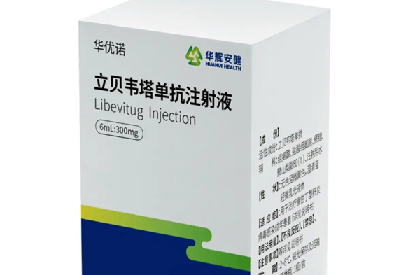
 The National Medical Products Administration on Friday granted conditional approval to Libevitug, a monoclonal antibody developed by Beijing-based Huahui Health, for adult patients with chronic hepatitis D virus infection, including those with compensated cirrhosis. The drug targets a disease long regarded as one of the most severe and least treatable forms of viral hepatitis.

 Libevitug works by blocking hepatitis B and D viruses from entering liver cells, targeting the PreS1 domain of the viral envelope. Because HDV depends on the hepatitis B virus to replicate, chronic hepatitis D occurs only in HBV carriers and is associated with accelerated liver damage and a sharply higher risk of cirrhosis and liver cancer.

 The World Health Organization estimates that around 12 million people globally are coinfected with HBV and HDV, yet effective treatment options have remained limited.

 Huahui Health said clinical trial data showed Libevitug significantly outperformed a control group across key indicators, including viral response, normalization of liver enzymes and improvement in liver stiffness.

 At 48 weeks, the combined response rate reached 44.1 percent, with a virological response rate of 60 percent. The results were presented at the 2025 annual meeting of the American Association for the Study of Liver Diseases in November.

 The drug had previously received breakthrough therapy designation from China’s drug regulator and the US Food and Drug Administration, underscoring its clinical potential.

 Beyond its immediate medical impact, Libevitug is drawing attention as a marker of China’s evolving innovation capacity. From identifying the viral infection mechanism to selecting the drug target and developing the antibody, the entire research and development process was led domestically.

 The scientific roots of the drug date back to 2012, when a team led by Li Wenhui at the National Institute of Biological Sciences, Beijing, identified the sodium taurocholate cotransporting polypeptide as the key receptor allowing both HBV and HDV to enter liver cells. The discovery solved a question that had challenged scientists worldwide for nearly half a century and opened a new pathway for drug development.

 Building on that breakthrough, Li teamed up with antibody engineering specialist Sui Jianhua from the institute to translate the finding into a therapeutic candidate. The prototype antibody was developed in 2015, and Huahui Health was subsequently established to push the program into clinical development. After more than a decade of sustained research, the drug has now reached the market.

 Wang Xiaodong, director of the National Institute of Biological Sciences, Beijing, and a cofounder of BeOne Medicines, described Libevitug as a rare example of full-chain innovation, in which a single team led the process from fundamental discovery through to clinical application. Such “from zero to one, and from one to market” breakthroughs remain uncommon globally, he said.

 Libevitug’s approval comes as China’s innovative drug sector gathers pace. In 2025, the NMPA approved 76 innovative drugs, a record high, spanning chemical medicines, biologics and traditional Chinese medicines. Access has also expanded, with about 70 percent of eligible new drugs approved in the first half of the year successfully entering the national reimbursement list.

 Industry observers attribute the momentum to years of regulatory reform aimed at prioritizing innovation. Fast-track pathways — including breakthrough therapy designation, conditional approval and priority review — have shortened review timelines and reduced uncertainty for developers.

 Zhang Fangning, a partner at McKinsey & Company, said in a previous interview with China Daily that “China’s innovation system has proved effective in advancing drug development in a fast and cost-efficient way, supported by an innovation-conducive macro environment, a dense local ecosystem and a strong talent base”.

 She, however, said that first-in-class innovation still depends on deeper translational research, long-term investment and stronger links between academia and industry — areas that are still evolving.

 lijing@chinadaily.com.cn


Article inline ad

Private Firms Driving High-Quality Growth

0

By Yin Mingyue | China Daily | Updated: 2026-01-27

China’s push for high-quality development is increasingly being driven by private enterprises that combine technological breakthroughs with stronger connectivity across regions, playing a growing role in industrial upgrading and supply-chain resilience.

 The trend comes as national efforts to upgrade industrial chains and strengthen the real economy continue to create new space for private manufacturers to move up the value chain.

 In the manufacturing sector, Silvery Dragon Group Co Ltd Tianjin has expanded its footprint along the prestressed materials value chain, supplying core components for major infrastructure projects nationwide.

 The company is currently the leading enterprise in China capable of providing an integrated solution covering prestressed materials, prestressed concrete components and equipment, as well as technical services, digital engineering, operation and maintenance monitoring, said Xie Zhifeng, chairman of Silvery Dragon Group.

 Its self-developed ultra-high-strength prestressed steel strands, with tensile strength ranging from 2,100 to 2,400 megapascals, have been applied in large-scale highway and railway bridge projects, helping to improve structural load-bearing capacity and optimize engineering design.

 According to Xie, the company has achieved full-process independent innovation across the prestressed materials chain — from process control in upstream wire rod smelting, to precision processing of prestressed products, and intelligent production of downstream concrete components.

 Silvery Dragon Group has also taken part in the formulation and revision of dozens of national and industry standards. Among these, the successful development of the CRTS III high-speed railway track slab has not only broken technical monopolies, but has also become a key technological support for China’s high-speed rail projects overseas.

 Beyond traditional infrastructure, Silvery Dragon Group has expanded into the wind power sector in line with the country’s dual-carbon goals. It has developed prestressing construction management and intelligent monitoring systems for hybrid wind power towers, enabling real-time monitoring, intelligent diagnostics and automated maintenance, and improving structural safety and durability.

 “We will continue to invest in wind power and photovoltaic projects at home and abroad, advancing a green development strategy aimed at carbon neutrality in the real economy,” Xie said.

 While manufacturers are strengthening industrial foundations through technological innovation, private enterprises in the logistics sector are reinforcing growth by expanding cross-border rail services.

 YXE Trading Service Group, also known as YXE Group, operates the YXE China Railway Express and provides integrated cross-border trade and logistics services linking China with Central Asia and Europe.

 In 2025, the Zhejiang China-Europe Railway Express (Yiwu-Xinjiang-Europe route) operated more than 3,000 trains, with all major operational indicators hitting record highs.

 By the end of 2025, the service had opened 26 international rail freight routes, with cumulative operations exceeding 14,900 trains and shipments totaling more than 1.22 million TEUs. High value-added goods such as photovoltaic modules, new energy vehicle components and intelligent equipment accounted for a growing share of cargo, according to the company.

 Safety remains central to the service’s expansion, said Feng Xubin, chairman of YXE Trading Service Group. Some measures, such as a full-chain safety management system, dynamic pricing mechanisms and closer international coordination, have helped address challenges including cargo loss, damage and regulatory gaps in cross-border operations, he said.

 “Going forward, we will continue to build ‘safe, digital and green’ rail services to support more efficient, resilient and secure international logistics corridors,” Feng said.


Article inline ad

Lanzhou New Area Emerges As Hub For Future Industries In Northwest China

0

By Hu Yumeng and Ma Jingna in Lanzhou | chinadaily.com.cn | Updated: 2026-01-26

Once known for its challenging natural conditions and vast stretches of undeveloped land, Lanzhou New Area in Northwest China’s Gansu province in the past decade has rapidly emerged as a hub for future-oriented industries driven by technological innovation, smart manufacturing and digital trade.

 At the heart of its high-end medical equipment sector is a domestically developed medical heavy-ion accelerator created by Lanzhou Ion Therapy Co Ltd (LANITH). The device enables precise tumor treatment using heavy-ion therapy, offering new hope for patients with deep-seated and hard-to-treat cancers.

 “The device generates carbon ion beams and accelerates them to nearly 70 percent of the speed of light before delivering them to treatment terminals,” said Wei Tianhao, a physical design engineer at LANITH. “This enables us to precisely control the energy and focus it on tumor lesions, minimizing damage to healthy tissue.”

 Traditional manufacturing in Lanzhou New Area is also undergoing intelligent upgrading. At LS Group, automated production lines now issue welding instructions, monitor operations in real time and optimize production scheduling.

 “Our intelligent system has helped raise the one-time welding qualification rate to 100 percent and increase production capacity by around 15 percent,” said Xu Wenkui, deputy manager of the Heavy Equipment and Petrochemical Branch of LS Group.

 Lanzhou New Area is one of China’s special customs supervision zones with the highest level of opening-up and the most streamlined procedures. “We are expanding exports of high-end equipment, new energy and new materials to regions including the Middle East and Southeast Asia,” said Lyu Jiabiao, deputy director of the management committee of the Lanzhou New Area Comprehensive Bonded Zone, which is further strengthening the city’s global links with Belt and Road markets.


Article inline ad

China In Spotlight At WEF In Davos

0

By Ren Qi | China Daily | Updated: 2026-01-27

As the World Economic Forum convened in the snow-capped Swiss town of Davos last week, the spotlight was firmly on China. Amid global uncertainties, Chinese leaders and delegates brought a clear message of solidarity and cooperation, presenting a “list of opportunities” that the world’s second-largest economy offers to global development.

 Addressing the annual meeting, Chinese Vice-Premier He Lifeng delivered a speech proposing four key points for global prosperity: firmly supporting free trade; firmly upholding multilateralism; persisting in win-win cooperation; and adhering to mutual respect and equal consultation.

 This sentiment of partnership was palpable on the streets of Davos throughout the event. Among the dazzling array of showrooms from global enterprises and international organizations, Chinese elements were ubiquitous. Events such as “Dalian Night” drew significant attention, with attendees eager to explore the potential China brings to the table.

 The optimism in Davos was underpinned by the resilience of the Chinese economy. In 2025, China made strides in high-quality development, with the value-added output of high-tech manufacturing rising to 17.1 percent of the total. Final consumption expenditure contributed over 50 percent to economic growth.

 Data released on the opening day of the forum confirm that China’s major development goals for 2025 were successfully met, prompting the International Monetary Fund to upgrade its 2026 growth forecast for the country.

 Over the past five years, China’s GDP has crossed the 140 trillion yuan ($20.1 trillion) mark, maintaining an average annual growth of about 5.4 percent and contributing around 30 percent to global economic growth.

 Attendees widely agreed that despite multiple risks, China remains a primary engine of global growth. In an uncertain world, China is viewed as a source of certainty.

 Frontier technology was another key factor boosting confidence during the forum. From new energy vehicles to AI integration and humanoid robots, innovation is reshaping the economy. The World Intellectual Property Organization’s Global Innovation Index 2025 placed China in the top 10, boasting 24 top-100 science and technology clusters — the highest number globally.

 “China has made significant progress in scientific and technological innovation, which has become a new engine for global economic growth,” said Dora Liu, CEO of Deloitte China. A report released during the forum highlights that nearly half of the selected AI application stars with high global impact hail from China.

 Furthermore, China’s commitment to high-level opening-up bolstered global expectations. French President Emmanuel Macron noted in his address that China is welcome, stating, “We need more Chinese direct investment in Europe.”

 Participants noted that China continues to refine its business environment, transforming corporate “demand lists” into government “service lists”.

 “We are full of confidence in China’s business environment and will continue to increase investment in China,” said Iskra Reic, executive vice-president of AstraZeneca. “China is not only our global strategic market, but also a global innovation hub.”

 With 2026 marking the start of China’s 15th Five-Year Plan (2026-30) period, expectations are high. “Every ‘Five-Year Plan’ of China nurtures new development opportunities,” said Jeff Rowe, CEO of Syngenta Group, noting that China’s improving production quality boosts external confidence.

 Brand Finance released its Global Soft Power Index 2026 in Davos, showing China leading in multiple metrics. David Haigh, chairman of Brand Finance Plc, said China’s ranking rose against the trend due to its stability.

 “China is showing the world the vitality and opportunities of high-quality development through the enhancement of soft power,” Haigh said.

 renqi@chinadaily.com.cn


Article inline ad

Guideline To Lift Role Of MF Benchmarks

0

Sources: Rollout of relevant measures will proceed steadily and prudently

By Zhou Lanxu | China Daily | Updated: 2026-01-27

China’s securities regulator has set a regulatory framework to strengthen the role of performance benchmarks in regulating mutual fund investments, a milestone move to enhance the industry’s investment performance and attract more long-term investments, officials and experts said.

 Informed sources told China Daily that the rollout of relevant measures will proceed steadily and prudently, with a transition period of about one year to ensure existing products adjust their benchmarks smoothly if necessary. Fund managers will be encouraged to fine-tune benchmarks where needed, rather than make large-scale portfolio shifts.

 Widely used in overseas markets yet less developed in China, performance benchmarks — typically stock or bond indexes — are the standards set by fund management companies to reflect a mutual fund’s investment style, ensure that investment behavior aligns with the designated style, and evaluate fund performance.

 On Friday, the China Securities Regulatory Commission released a guideline on enhancing the role of performance benchmarks in regulating mutual fund investment, setting out requirements for selecting and using the benchmarks, placing primary responsibility on fund managers and clarifying the roles of custodians and distributors.

 The guideline, accompanied by an operational rule book released by the Asset Management Association of China, requires performance benchmarks to reflect a fund’s positioning and style, which should not be changed arbitrarily, including due to manager turnover, short-term market swings, or performance assessments and rankings.

 The CSRC said the guideline is aimed at ensuring benchmarks effectively reflect a product’s investment style and urging fund management companies to improve internal controls, with the ultimate goal of better protecting investors’ legitimate rights and interests.

 Prior to the guideline, there was a lack of specialized and systematic rules for performance benchmarks in China, leading to significant deviations in some actively managed, equity-focused funds with their benchmarks, which have negatively impacted investor returns.

 Effective from March, the guideline has formed a comprehensive oversight framework surrounding performance benchmarks and filled a long-standing regulatory gap, experts said, helping promote a more standardized fund industry development, improve investor returns and attract long-term capital into the market.

 A spokesperson for China Asset Management, a domestic mutual fund management company, said the guideline marks “an important milestone” in the mutual fund industry’s high-quality development.

 “Putting investor interests at the core, the guideline directly targets long-standing pain points of investment style deviation, helping investors see more clearly what they are buying and hold with greater confidence, thereby improving the investing experience and sense of gain,” the spokesperson said.

 The spokesperson added that more standardized benchmark requirements will make fund positioning more precise and differentiated, while linking benchmarks more closely with fund managers’ compensation will strengthen the alignment of interests between managers and investors and keep them focused on delivering long-term returns.

 The guideline has called on fund management companies to evaluate their teams based on investment returns. Managers of actively-managed, equity-focused funds whose long-term performance significantly lags behind their benchmarks will see a marked reduction in performance-based pay.

 The Asset Management Association of China will soon refine its compensation assessment rules and spell out detailed requirements for the pay reform.

 This aligns with an action plan released by the CSRC last year to foster high-quality development of the mutual fund industry. According to the plan, managers whose over-three-year results fall more than 10 percentage points below the benchmark would see a notable cut in performance-based compensation, while those who outperform significantly may receive appropriate rewards.


Article inline ad

Shandong GDP Surpasses 10 Trln Yuan

0

By Zhao Ruixue in Jinan | China Daily | Updated: 2026-01-27

Shandong, a major manufacturing hub that has all 41 categories in the United Nations’ industrial classification system, has become the third province in China to exceed a gross domestic product of 10 trillion yuan, following Guangdong and Jiangsu provinces.

 The milestone, announced on Friday, has been largely driven by the province’s efforts to cultivate new quality productive forces, upgrade traditional industries and foster emerging sectors, with technological innovations leading the way.

 As a province with a complete industrial system, Shandong has listed the industrial economy as its top priority, focusing on enhancing the proportion of innovation, high value-added and green elements to drive high-quality industrial development.

 Last year, the added value of industrial enterprises in Shandong increased by 7.6 percent year-on-year. The province’s investment in transforming industrial technology to advanced ones increased by 5.3 percent year-on-year.

 In the emerging sector, the output of industrial robots, electronic components and semiconductor discrete devices has maintained rapid growth in Shandong.

 “Shandong’s industrial structure is upgrading from traditional heavy chemical industry to high-end manufacturing,” said Gao Fuyi, deputy director of the Shandong Academy of Macroeconomic Research.

 “This transformation has made the 10 trillion yuan GDP more resilient and valuable,” he said.

 Last year, the world’s first metro train constructed using carbon fiber material made its debut in the province’s coastal city, Qingdao.

 Developed by CRRC Qingdao Sifang and Qingdao Metro, the metro train offers advantages such as weight reduction and energy efficiency.

 “By employing carbon fiber composite materials, the train achieves an impressive 11 percent weight reduction compared to traditional metal trains, leading to enhanced energy efficiency with a 7 percent decrease in operational energy consumption,” said Liu Jinzhu, a senior designer at CRRC Qingdao Sifang.

 In another case, a recent technology achievement matchmaking conference on supercritical carbon dioxide power generation was held at Jigang Group Co Ltd based in Jinan, the provincial capital, aiming to promote the wide application of this cutting-edge technology in industrial fields.

 Wang Mingnan, chairman of Jigang International Engineering Technology Co Ltd, said that the supercritical carbon dioxide power generation technology can be widely applied in steel, coking, cement and other industrial sectors, efficiently converting waste heat from production processes into electrical energy.

 This innovative technology perfectly meets the green transformation needs of Shandong’s traditional industries such as steel, chemical engineering, building materials, light industry and papermaking.


Article inline ad

Shanghai Mulls 110b Yuan Investment In 133 Projects

0

By WANG YING in Shanghai | chinadaily.com.cn | Updated: 2026-01-26

A total of 133 projects with a combined value of 110 billion yuan ($15.8 billion) would be launched throughout 2026 in Shanghai, with 33 projects each exceeding 1 billion yuan, according to official sources.

 “Shanghai’s industrial investment surged 20 percent year-on-year in 2025, which is 17.4 percentage points higher than the national average. Specifically, investment in the manufacturing sector soared 22.8 percent in comparison with a year ago,” Xu Zhenhua, deputy director of the industrial investment division with the Shanghai Commission of Economy and Informatization, said during a news conference on Friday.

 “During the 14th Five-Year Plan (2021-25) period, industrial investment in Shanghai grew at an average rate of 8.9 percent annually, and that of manufacturing investment rose at 9.7 percent per year,” Xu said.

 Regardless of ownership, various investments, be it State-owned, private, or foreign-funded, all achieved growth, Xu said. For example, driven by related investments, State-owned investment increased 31 percent year-on-year. Boosted by tailored policies in investment confidence, private investment grew rapidly at 14.7 percent. Despite external uncertainties, foreign investment achieved a growth of 6.2 percent in 2025.

 In terms of industries, electronic information reported a rise of 45.6 percent, equipment surged 32.2 percent, and high-quality steel products maintained fast growth of 27.6 percent.

 In key areas, such as integrated circuits, high-end equipment, intelligent manufacturing, and advanced materials, 127 projects, each valued at more than 100 million yuan, were launched last year. Additionally, 459 projects are under construction, and 174 projects have been completed.

 “These projects provide solid support for Shanghai’s industrial economy’s fundamentals and are believed to become strong drivers for the city’s future development,” Xu said.


Article inline ad

Economic Powerhouse Guangdong Sets 2026 Growth Target At 4.5%-5%

0

Xinhua | Updated: 2026-01-26

 A customer interacts with an embodied intelligent robot at a robot store of ENGINEAI Robotics Technology Co Ltd in Futian district of Shenzhen, South China’s Guangdong province, Jan 15, 2026.

GUANGZHOU – China’s manufacturing heartland, Guangdong province, has set a GDP growth target of between 4.5 percent and 5 percent for 2026, Guangdong Governor Meng Fanli said Monday, pledging efforts to achieve better results in actual work.

 The year 2026 marks the start of China’s 15th Five-Year Plan (2026-30). Meng said the growth target was set after taking into account development needs and a range of domestic and external factors, as he delivered a government work report at the annual session of the Guangdong Provincial People’s Congress.

 Over the past five years, the southern province’s GDP rose to 14.58 trillion yuan ($2.1 trillion) from 11.37 trillion yuan. In 2025, the province ranked first nationwide in total GDP for the 37th consecutive year.

Article inline ad